


The phrase “Arctic Circle” evokes images of icy seas, surreal northern lights and endless summer sun. But is it really worth the time, money and cold-weather gear it takes to get there? For many travelers, crossing that invisible line at 66°33′ north becomes one of the most memorable trips of their lives. The key is knowing what the Arctic actually offers, where to go and whether its raw, remote character matches your travel style and budget.
Get the latest updates straight to your inbox!
What Makes the Arctic Circle Different From Anywhere Else
The Arctic Circle is not a single destination but a latitude that slices through northern Norway, Sweden, Finland, Iceland, Greenland, Canada, Alaska and Russia. What unites these far-flung regions is the extreme light: at least one day each summer when the sun never sets, and at least one winter day when it never rises. That light and dark define the mood of any trip here more than perhaps any other factor, and they are a big part of why the experience feels so otherworldly.
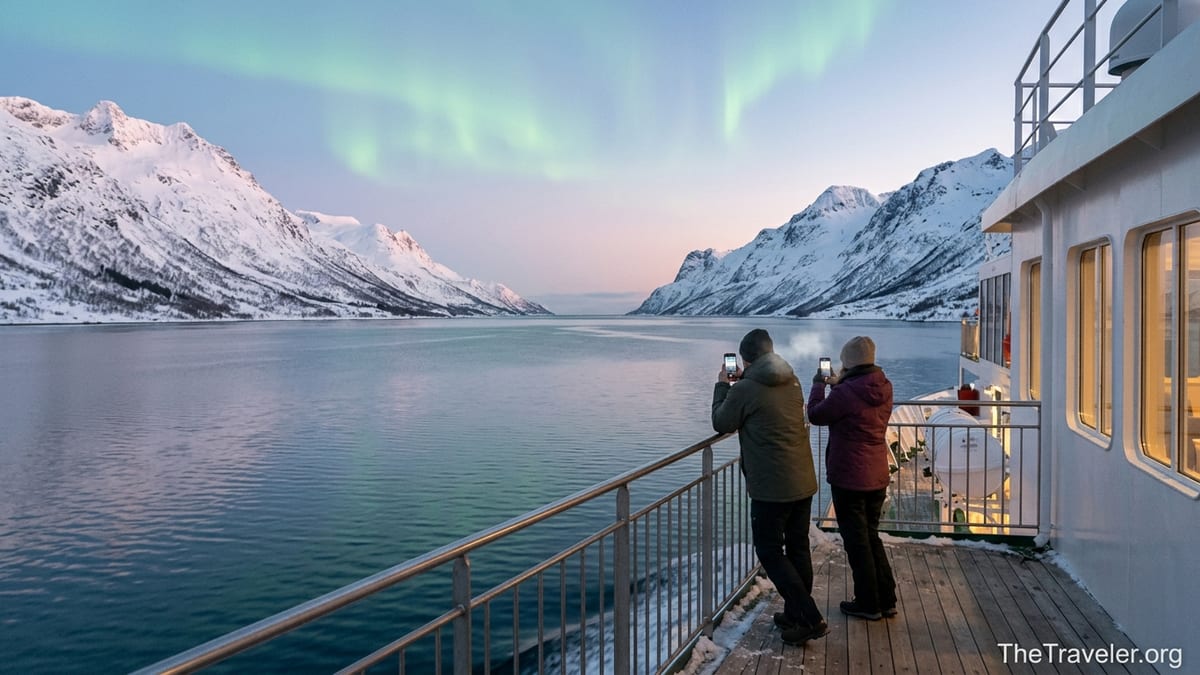
On a summer coastal voyage between Bergen and Kirkenes in Norway with a company like Hurtigruten, travelers report standing on deck at midnight in July, watching the sun hover just above the horizon in golden light while fishing villages and sharp-sided fjords drift by. The ship crosses the Arctic Circle near the island of Vikingen, where the crew sometimes marks the moment with a playful ceremony on deck. The combination of 24-hour daylight, snow-streaked mountains and the ease of stepping ashore in small ports is unlike classic Mediterranean or Caribbean cruising, and it is exactly this strangeness that many visitors say makes the journey feel worth the effort.
In winter, the same latitude delivers the opposite: a long polar night broken for only a few hours by blue twilight. Travelers flying into Tromsø in Norway or Rovaniemi in Finnish Lapland in January describe a sky that never turns fully bright, with streetlights and snow reflecting a deep cobalt hue. The lack of daylight can be challenging for some, but it is also what makes the aurora borealis so visible, and what turns small towns into glowing islands of warmth. If you are drawn to big contrasts and elemental landscapes rather than beaches and nightlife, this alone can be a compelling reason to go.
Arctic Highlights Travelers Rave About
When past visitors talk about why the Arctic Circle was worth it, a handful of experiences come up again and again. At the top of the list are the northern lights. Around Tromsø, Abisko in Swedish Lapland and remote lodges in Finnish Lapland, dedicated aurora tours operate from roughly September to March. Small-group “aurora chases” typically cost from around 150 to 250 US dollars per person for an evening, including warm overalls, a simple meal and transport to clearer skies if needed. Travelers frequently mention that guides driving for hours to escape cloud cover, building a campfire on a frozen lake and photographing guests under shimmering green arcs turned what could have been a cold, uncertain outing into one of the most intense travel memories they own.
Midnight sun is the summer counterpart many travelers love. On the Lofoten Islands or near Alta and Honningsvåg in Norway, visitors in June describe hiking to coastal viewpoints at 11 p.m. and still finding the landscape bathed in amber light. Families staying a week in Finnish Lapland in late June talk about children playing outside past midnight simply because it never feels like bedtime. While those sensitive to light may need blackout curtains and eye masks to sleep, many guests say the psychological lift of having endless daylight for kayaking, photography and road trips makes the region feel more generous with time than anywhere else they have been.
Another highlight is the feeling of being on the edge of the map without sacrificing too much comfort. In Longyearbyen on Svalbard, which lies well north of the Arctic Circle, visitors can walk from a boutique hotel to a cozy café, then join a snowmobile excursion out onto the frozen Adventdalen valley, all in one day. In Swedish Lapland, the Icehotel in Jukkasjärvi and the modern Arctic Bath hotel attract guests who want both high design and direct contact with the elements. Travelers consistently mention that sitting in a hot sauna while snow falls outside or watching reindeer wander past a glass-walled cabin delivers a kind of “soft adventure” that feels both accessible and deeply memorable.
Iconic Ways to Cross the Arctic Circle
For many travelers, simply crossing the Arctic Circle becomes a symbolic goal, and several well-established routes make the moment feel special. On Norway’s classic coastal voyages, the ship’s position is announced on board and passengers often gather on deck for photos as they pass the latitude marker and nearby small islands in the Norwegian Sea. Some ships host brief ceremonies with a splash of icy seawater or a shared toast with hot coffee and cinnamon buns. Because these ships call at tiny coastal communities from Bodø to Tromsø and beyond, the crossing is folded naturally into daily coastal life rather than treated as a gimmick.
On land, the train routes of northern Scandinavia offer another atmospheric way to slip into the Arctic. The long-distance service between Stockholm and Narvik in Norway travels via Kiruna and Abisko in Swedish Lapland, crossing the Arctic Circle roughly 145 kilometers south of Kiruna. Traveling in a sleeper compartment, passengers fall asleep somewhere in the pine forest and wake up to a landscape of low birch, frozen lakes and, in winter, pale pink sunrise over snow. Sections of the line near the Norwegian border, especially between Riksgränsen and Narvik, run high above a fjord with views that train enthusiasts rank among Europe’s most spectacular.
Road travelers often time their crossing with distinctive roadside landmarks. In northern Norway, a popular stop is the Arctic Circle Center along the E6 highway on the Saltfjellet plateau, where stone cairns, a visitor center and views of surrounding mountains provide a natural pause. In Finland, many self-drivers heading to Rovaniemi or further into Lapland stop at the Arctic Circle line just north of the city, where a small cluster of attractions and cabins has grown up around the latitude marker. Whether you arrive by ship, train or car, the act of physically crossing the line and marking it with a photo or a coffee break helps make the Arctic feel like a concrete achievement rather than an abstract idea.
Where in the Arctic Circle Should You Go?
Because the Arctic Circle stretches across so many countries, choosing where to visit can be as important as deciding whether to go at all. For first-time visitors from North America or Europe, northern Norway is often the most straightforward choice, with frequent flights into Tromsø and Bodø, established cruise routes and developed infrastructure. Tromsø, often called the “Gateway to the Arctic,” combines a compact city center, museums about polar history and Sami culture, and easy access to fjords and islands where northern lights tours operate. It is a practical base if you want a mix of urban comforts and wilderness excursions.
For travelers who love quiet forests and cozy cabins, Finnish and Swedish Lapland deliver a softer, more inland version of the Arctic. Around Rovaniemi in Finland, families combine reindeer sleigh rides, visits to Santa-themed attractions in winter and relaxed summer holidays in lakeside cottages just above or below the Arctic Circle. Further north in Finnish Lapland, places like Saariselkä and Inari offer darker skies for aurora hunting and opportunities to learn about local Sami reindeer herding. In Swedish Lapland, Kiruna and the Abisko National Park area attract hikers and aurora seekers who want a simple village base with big landscapes on the doorstep.
For travelers prioritizing raw, remote scenery and wildlife, Svalbard or Greenland can be more compelling, though they demand larger budgets and more preparation. Expedition cruises around Svalbard’s fjords in summer focus on glaciers, polar bears viewed from ship decks when conditions allow, seabird cliffs and ice-filled bays, with passengers boarding small boats to land on shore for guided walks. East Greenland’s fjord systems, reached on specialized voyages, offer towering icebergs and almost complete isolation. These trips can easily run into several thousand dollars per person, but guests often describe them as “once in a lifetime” journeys that reframe their sense of scale and wilderness.
Costs, Comfort Levels and Who the Arctic Suits Best
Visiting the Arctic Circle is rarely cheap, and whether it feels “worth it” often depends on how comfortable you are investing in experiences instead of shopping or dining scenes. A week in Tromsø in winter for two people, staying in a mid-range hotel, taking two organized aurora tours and one whale-watching or fjord excursion, plus meals and local transport, can easily reach several thousand US dollars by the time flights are included. Expedition cruises to Svalbard or Greenland typically cost significantly more, especially in peak months. Prices can vary widely, so it is wise to look for shoulder-season deals and package offers that include both transport and accommodation.
In terms of comfort, most Arctic destinations above the Circle offer a spectrum from basic guesthouses to high-end lodges. Along Norway’s coastal routes, standard cabins on working ships may feel compact but are generally warm and practical, while newer expedition-style vessels feature larger cabins, panoramic lounges and saunas. In Lapland, you can choose between simple cabins that require walking to a shared sauna each evening and designer glass igloo-style rooms where you can watch the sky from your bed. Travelers who enjoy a rustic atmosphere and are comfortable with snow, dark and limited services will likely feel at home. Those who strongly prefer warm beaches and luxury shopping may find the value harder to see.
Age and physical ability also matter, but perhaps less than many people assume. Families with children as young as six or seven have successfully joined reindeer sled rides and light snowshoe walks, while older travelers with limited mobility report enjoying coastal voyages where scenery comes to them through big picture windows and short, gentle port strolls. However, more intensive activities such as multi-day dog-sled expeditions, ski touring or remote backcountry snowmobile trips demand higher fitness levels and a tolerance for cold. If most of your enjoyment comes from being outdoors and active, the Arctic can be an excellent match. If you mainly enjoy museum visits, long café afternoons and warm evenings outside, the trade-offs may feel less favorable.
Season by Season: When an Arctic Trip Feels Most Rewarding
Choosing the right season can be the difference between a transformative Arctic experience and a trip that feels like a struggle with the elements. Winter, roughly from December to March, is peak time for northern lights trips. Cities like Tromsø, Kiruna, Abisko and Rovaniemi see their highest concentration of aurora-focused tours during these months, often combined with dog sledding, snowmobiling and evenings in glass-roofed cabins or hot tubs. Daylight is limited, especially in December and early January, so it is wise to plan a relaxed schedule with plenty of indoor time between outings.
Late winter and early spring, particularly February and March, are often highlighted by locals as the most comfortable time to visit. By then, days are significantly longer, snow conditions are stable and bright, and temperatures can feel less harsh than in the deep dark of early winter. Families going to Lapland over a March school break often report being able to ski or snowshoe in daylight and still have long, dark evenings for aurora hunting. In coastal Norway, this period also aligns with whale-watching seasons in some areas, although exact timing shifts slightly from year to year.
Summer, from roughly June to August, suits travelers who care less about seeing the aurora and more about hiking, kayaking and road-tripping under the midnight sun. On the Lofoten and Vesterålen islands, for example, visitors drive scenic coastal routes, camp on white-sand beaches and take boat trips to bird cliffs, all without worrying about it getting dark. Inland, the mosquitoes of late summer can bother some visitors in forested Lapland, but many still find long, warm evenings at lakeside cabins and high tundra hikes worth the trade-off. Autumn, in September and October, offers a quieter middle ground: colorful tundra, cooler days, the return of darker nights and the first chances to see the northern lights again.
Environmental and Cultural Considerations
The Arctic is both fragile and deeply inhabited, and whether a trip feels “worth it” for some travelers extends beyond personal enjoyment to environmental impact and social responsibility. Flying long distances to remote regions and joining expedition cruises inevitably adds to carbon emissions. Some operators and lodges now promote reduced-emission ships, support local conservation initiatives or invest in community projects, and a number of visitors choose to offset their travel or combine Arctic trips with longer overland journeys by train to reduce flights. While offsets are not a perfect solution, many travelers feel more comfortable when they choose companies that explain their environmental practices clearly.
Culturally, large parts of the Scandinavian Arctic are traditional Sami lands, and there is growing interest in engaging with Sami culture in a respectful way. Instead of purely staged performances, some travelers seek out small-scale experiences such as visiting a family-run reindeer farm near Karasjok or Inari, listening to stories about seasonal herding and tasting smoked reindeer around an open fire. In Greenland and Arctic Canada, travelers might visit communities where hunting and fishing remain central to daily life. Approaching these encounters with curiosity, sensitivity and an awareness of ongoing debates around land rights and climate change can deepen the experience far beyond the scenery alone.
The rapid warming of the Arctic also raises questions about timing. Glaciologists and local residents alike report noticeable retreat of sea ice and changes in wildlife patterns in recent decades. Some travelers feel a sense of urgency to see certain landscapes, such as Svalbard’s sea ice edges or specific glaciers, while they remain broadly as they are today. Others decide that the environmental cost of going is too high. Weighing these factors honestly and choosing travel options that align with your values can help ensure that, if you do go, the experience feels meaningful rather than conflicted.
The Takeaway
So is the Arctic Circle worth visiting? For travelers drawn to high drama in nature, unusual light, and a feeling of being far from the ordinary world, the answer is often an emphatic yes. From watching curtains of green aurora ripple above a frozen lake in Swedish Lapland, to standing on the deck of a Norwegian coastal ship at midnight sun, to hearing the crunch of snow underfoot in a silent Svalbard valley, these are experiences that linger in memory for decades.
However, the Arctic is not for everyone. Costs are higher than many other destinations, and the climate, darkness and remoteness require a certain flexibility and resilience. Visitors who embrace layered clothing, variable weather and a slower, more contemplative pace of travel are likely to find rich rewards. Those who primarily seek nightlife, beaches or dense museum districts may decide their money is better spent elsewhere.
If you are considering an Arctic trip, start by choosing the right region and season for your interests, then build an itinerary around a few key experiences rather than trying to do everything at once. Combine a handful of guided outings with time to simply watch the sky, listen to the snow and talk with local hosts. Done thoughtfully, a journey above the Arctic Circle can be far more than a line on a map: it can be a recalibration of how you experience time, light and wild places.
FAQ
Q1. Is the Arctic Circle safe to visit for first-time cold-weather travelers?
Yes, as long as you choose established destinations with good infrastructure, such as Tromsø, Rovaniemi, Kiruna or coastal Norway, and follow local guidance on clothing, road conditions and guided excursions. Organized tours and reputable hotels are used to helping guests who have never experienced serious cold before.
Q2. How much does a typical Arctic Circle trip cost?
Costs vary widely, but a one-week winter trip for two people to a place like Tromsø or Lapland, including mid-range accommodation, a couple of guided tours, meals and flights, commonly reaches several thousand US dollars. Expedition cruises to Svalbard or Greenland generally cost significantly more.
Q3. When is the best time to see the northern lights in the Arctic Circle?
The most reliable months are usually from late September to late March, when nights are long and dark. Many locals consider February and March particularly good because there is more daylight for activities, but evenings are still dark enough for frequent aurora displays when the weather cooperates.
Q4. Do I need special clothing or gear for an Arctic trip?
You do not need specialized expedition equipment for most mainstream Arctic destinations, but you will need proper winter layers: a warm base layer, insulating mid-layer, windproof outer shell, insulated boots, hat, gloves and scarf or buff. Many tour operators provide additional outerwear such as thermal overalls and boots for activities like snowmobiling or dog sledding.
Q5. Can families with children enjoy a trip above the Arctic Circle?
Yes, many families visit Lapland and northern Norway each year. Children often enjoy snow-based activities, reindeer or husky experiences and the novelty of long days or nights. Parents should plan shorter outings, build in warm indoor breaks and choose accommodations with easy access to food and rest areas.
Q6. Is visiting the Arctic Circle environmentally responsible?
Any long-distance travel has an environmental footprint, and Arctic trips are no exception. You can reduce impact by choosing operators that emphasize sustainability, supporting local businesses, traveling in smaller groups and considering lower-emission transport options where practical. Some visitors also choose to offset their flights, though views differ on the effectiveness of offsets.
Q7. Will I definitely see the northern lights if I go in winter?
No, there is never a guarantee, even in prime locations and seasons. Cloud cover, solar activity and timing all play a role. Booking several nights in aurora-friendly areas and considering guided “aurora chase” tours increases your chances, but it is wise to value the overall Arctic experience rather than focusing solely on the lights.
Q8. How cold does it actually get above the Arctic Circle?
Temperatures vary by region and time of year. In coastal Norway, winter temperatures often hover around freezing, while inland Lapland or parts of Canada and Alaska can drop well below minus 20 degrees Celsius at times. Good clothing, frequent warm-up breaks and listening to local advice make the cold manageable for most visitors.
Q9. Is it possible to visit the Arctic Circle on a tighter budget?
It is challenging but possible. Some travelers reduce costs by visiting in shoulder seasons, using public transport such as night trains in Scandinavia, staying in simple guesthouses or cabins and limiting the number of expensive guided tours. Self-catering some meals also helps, especially in countries where restaurant prices are high.
Q10. How far in advance should I book an Arctic trip?
For peak periods such as Christmas and New Year in Lapland or prime northern lights months in popular towns, it is wise to book flights, accommodation and key tours several months in advance. For summer road trips or coastal voyages, planning three to six months ahead usually offers a good balance between availability and price, though last-minute deals occasionally appear.