


More news on this day
Domestic tourism in Hungary is gaining fresh momentum, with new data pointing to a sharp rise in overnight stays that is reshaping travel patterns in Budapest and around Lake Balaton, particularly for wellness and culture-focused trips.
Get the latest news straight to your inbox!
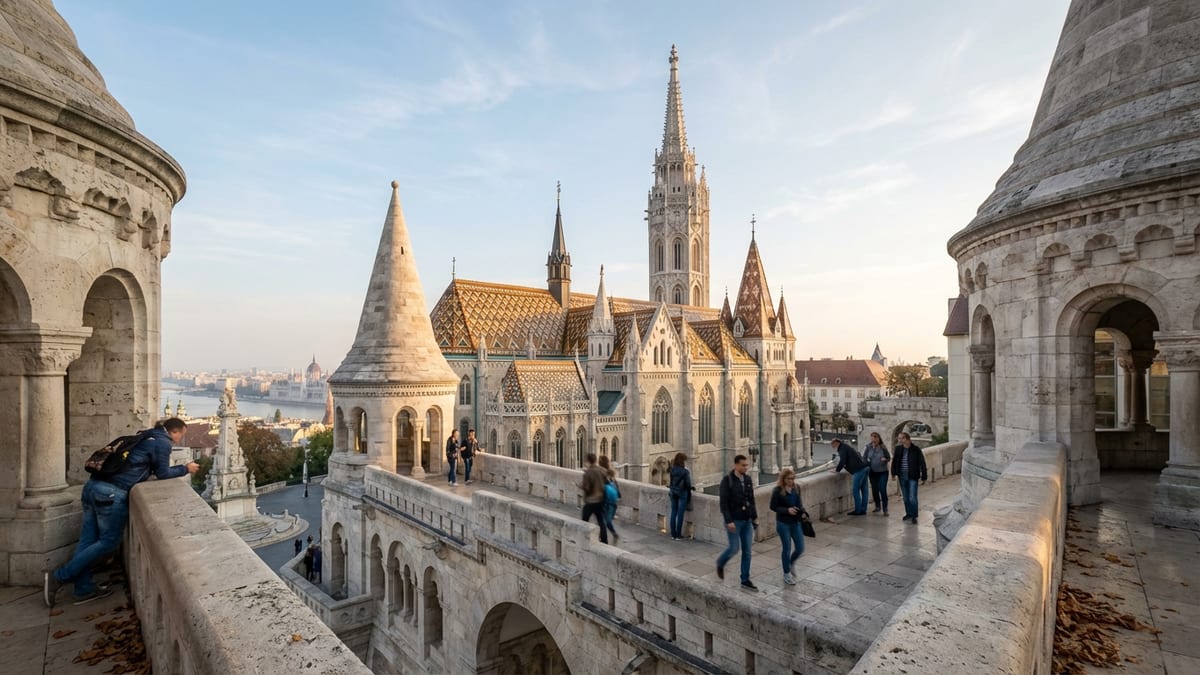
Overnight Stays Hit New Highs Across Hungary
Recent tourism figures indicate that Hungary has entered another strong cycle of growth in guest nights, with domestic travelers playing a larger role in sustaining hotels and guesthouses than before the pandemic. Data released through the Hungarian Central Statistical Office and national tourism platforms shows that total guest nights have climbed back above 45 million annually, supported by a steady increase in nights booked by Hungarian residents alongside a robust recovery in inbound demand.
Published coverage of official statistics highlights that Budapest remains the country’s single most important tourism hub, accounting for a substantial share of all nights spent in commercial accommodation. However, outside the capital, domestic tourists dominate the market, making up the majority of bookings and helping regional destinations smooth out seasonal fluctuations. Industry analyses describe 2024 and 2025 as record or near-record years for overall tourism performance, with accommodation capacity expanding to keep pace.
The balance between domestic and foreign guests has shifted over the last several years. While international visitors now drive much of the growth in Budapest, domestic travelers are increasingly responsible for filling hotel beds in spa towns, lakeside resorts, wine regions and historic cities. Analysts note that this diversification is giving the sector more resilience against external shocks, as households choose shorter but more frequent trips within Hungary.
Budapest Sees Cultural Travel and Short Breaks Surge
Budapest continues to anchor Hungary’s tourism economy, with publicly available information showing that the capital attracts the majority of foreign guest nights and a growing stream of domestic city-break travelers. Reports on 2024 and early 2025 traffic describe a busy calendar of cultural festivals, state celebrations and major events that has significantly boosted hotel occupancy, particularly around long weekends and summer holidays.
Analyses of recent data indicate that guest nights in Budapest have risen at a faster pace than in many other Central European capitals, supported by improved air connectivity and renewed interest in the city’s cultural and architectural heritage. Domestic travelers increasingly join foreign visitors at key attractions such as Buda Castle, the Parliament area, Margaret Island and the historic thermal bathhouses, often combining sightseeing with wellness-focused stays.
Short city breaks remain a defining feature of domestic travel to Budapest. Booking data referenced in sector commentary suggests that many Hungarians opt for two to three night stays, taking advantage of discounted weekend packages that bundle accommodation with tickets to museums, concerts or culinary events. This pattern mirrors a broader European shift toward experience-led travel, where culture, gastronomy and wellness rank ahead of simple beach or shopping trips.
Lake Balaton Reinvents Itself as a Year-Round Wellness Destination
While Budapest dominates international attention, Lake Balaton has emerged as the flagship region for Hungary’s domestic tourism boom. National tourism reports describe the Balaton area as the most frequented resort region outside the capital, consistently leading the country in domestic guest nights. Recent analyses point to double-digit growth in arrivals around the lake, with a particularly strong showing from families, wellness seekers and active travelers.
Sector case studies and promotional material outline deliberate efforts to reposition Balaton from a predominantly summer beach resort to a year-round destination. Initiatives that highlight spa hotels, thermal baths, cycling routes and wine tourism are encouraging visitors to come outside the peak July and August season. Documentation of sustainable tourism programs in the region shows that wellness retreats, lakeside yoga weekends and health-focused packages now complement traditional bathing and sailing holidays.
Published data on accommodation bookings indicates that many domestic guests at Balaton choose short stays of two to four nights, but higher-spending segments are extending their visits to take advantage of bundled wellness services. Spa complexes in and around the lake, supported by thermal springs and medical-wellness facilities, are reporting rising occupancy in shoulder seasons such as early spring and late autumn. This shift is helping local businesses smooth revenue streams that were once highly concentrated in a few summer weeks.
Wellness, Thermal Baths and Spa Culture Drive Domestic Demand
Hungary’s long-established spa and thermal bath culture is playing a decisive role in the surge of domestic tourism. Background information on the country’s cultural heritage notes that hundreds of mineral-rich springs feed a dense network of baths and wellness hotels, many concentrated in Budapest and western Hungary. Analysts point out that this infrastructure offers a competitive advantage at a time when health, relaxation and stress relief rank high on travelers’ priorities.
Sector surveys and booking platform data signal that wellness-related trips are among the most common motivations for domestic overnight journeys. Thermal and wellness complexes at destinations such as Lake Balaton and other spa towns consistently rank among the most visited attractions for Hungarian travelers. Typical packages combine access to pools, saunas and medical treatments with half-board or full-board catering, appealing to families and older travelers alike.
At Balaton, spa-focused hotels and nearby thermal lakes have helped lengthen the season and draw repeat visitors, while in Budapest, historic bathhouses are frequently marketed as core elements of weekend getaways. Commentaries on regional tourism trends suggest that demand for wellness stays is increasingly linked with sustainability and slow travel, with visitors seeking quieter, more restorative breaks rather than high-intensity party trips.
Cultural Events and Heritage Trails Strengthen Regional Tourism
Alongside wellness travel, cultural tourism has become a powerful engine of domestic overnight stays in Hungary. National and regional media coverage highlights the role of festivals, historical reenactments, wine events and citywide celebrations in attracting visitors from across the country. In Budapest, major holidays and cultural programmes are associated with sharp, temporary spikes in hotel occupancy and guest nights.
Around Lake Balaton, the cultural offer extends beyond the lakeshore to include castles, historic town centers, vineyards and open-air performances. Commentaries from tourism professionals emphasize that the northern shore in particular has developed a reputation for heritage and wine tourism, while the southern side maintains a stronger entertainment and family-leisure profile. This mix allows the region to appeal to different segments of the domestic market across the year.
Broader analyses of Hungarian tourism underline that destinations which combine cultural attractions with accessible accommodation and leisure infrastructure tend to record stronger growth in overnight stays. In both Budapest and the Balaton region, investments in visitor services, upgraded promenades, cycling paths and renovated cultural venues are cited as important factors in sustaining the current surge in domestic travel. Observers note that if these trends continue, Hungary’s internal tourism flows could remain a stabilizing force for the industry even in periods of global uncertainty.