


More news on this day
Travelers connecting through Iceland’s Keflavik Airport are facing significant disruption as a fresh wave of Icelandair cancellations and delays hits major routes to Europe and North America, including services to Stockholm, Frankfurt, Newark, Portland, Baltimore and Berlin.
Get the latest news straight to your inbox!
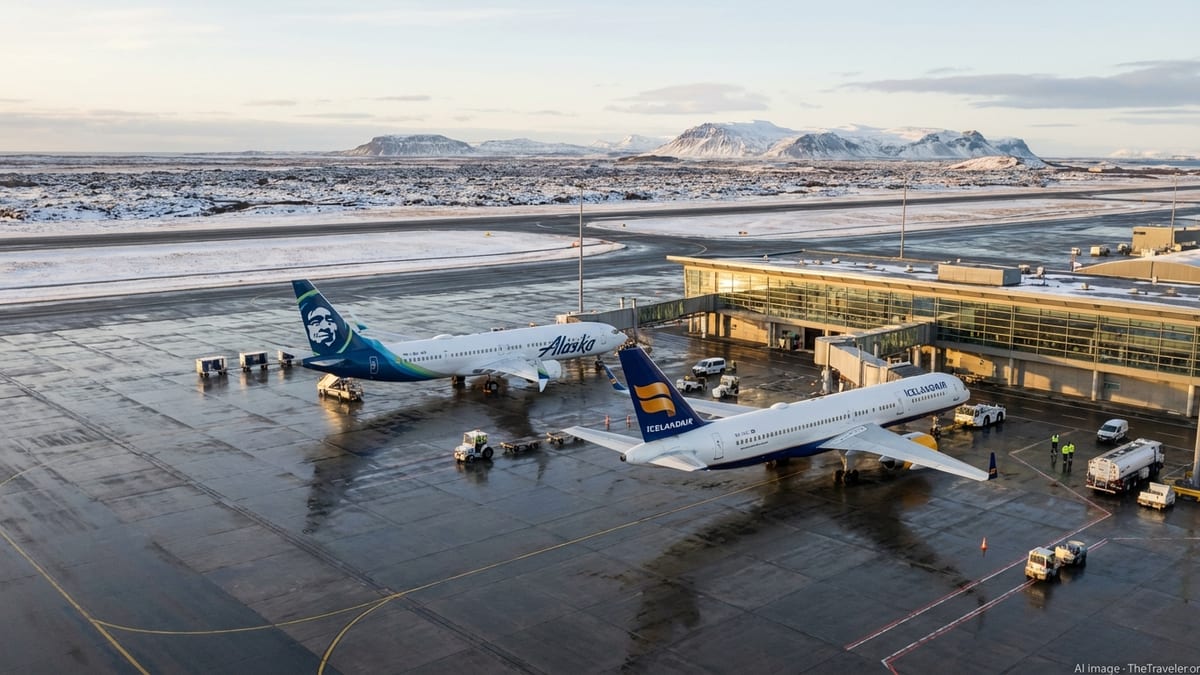
Cluster of Cancellations Hits Transatlantic and European Network
Publicly available flight tracking data and schedule information for the weekend of May 24 indicate that Icelandair has cancelled nearly a dozen services at or through Keflavik, concentrating disruption on some of its most important connecting routes. Coverage across aviation outlets and travel media points to a pattern of cancellations and extended delays rather than a single isolated incident, with affected flights spanning both sides of the Atlantic.
Among the disrupted services are links from Keflavik to key European hubs such as Frankfurt and Berlin, as well as feeder flights that connect onward to cities including Stockholm. On the North American side, services tied to Newark, Portland and Baltimore have been highlighted in tracking data and published reports, illustrating how a relatively small number of scrubbed flights can have an outsized effect on a hub and spoke network.
The situation has been evolving over several days, with earlier data showing at least 10 Icelandair flights cancelled and more than a dozen delayed across Reykjavik, Frankfurt, Berlin, Newark and other gateways. New cancellations and schedule adjustments reported on May 24 suggest that the disruption is ongoing rather than fully resolved, leaving travelers to navigate last minute changes and tight rebooking windows.
Observers note that Icelandair’s model relies heavily on tightly timed banks of arrivals and departures at Keflavik to funnel passengers between Europe and North America. When one or two services in a bank are cancelled, aircraft and crews can quickly fall out of position, creating a cascading impact that touches destinations far beyond Iceland’s borders.
Impact on Stockholm, Frankfurt, Berlin and Other European Links
Europe bound travelers have been particularly affected as cancellations at Keflavik ripple into key continental hubs. Publicly accessible schedules show that services connecting Iceland with Frankfurt and Berlin play a central role in linking Icelandair’s transatlantic passengers to the wider European network, including onward flights toward Scandinavia and Central and Eastern Europe.
Reports from Berlin Brandenburg and other European airports describe Icelandair cancellations alongside those of other carriers, amplifying pressure on limited alternative options. When a departure from Berlin operated by Icelandair is removed from the schedule, for example, passengers bound for Iceland and beyond may face longer connections, overnight stays or rerouting via different hubs.
Travel coverage also points to disruption on routes that support Scandinavian connectivity, including services aligned with Stockholm bound itineraries. Because Icelandair typically operates fewer daily frequencies on many secondary European routes compared with larger hub carriers, the loss of even one flight can mean a 24 hour gap before the next available departure, especially during busy travel periods.
For passengers, this dynamic translates into crowded service desks and longer waits at departure halls, as those who have missed European connections from Keflavik line up alongside others whose flights from cities like Frankfurt and Berlin have been removed from the day’s schedule.
Knock On Disruption for Newark, Portland, Baltimore and Other North American Cities
On the North American side, cancellations and delays tied to Keflavik are touching a mix of major hubs and smaller gateway cities. Newark, a critical connection point for travelers heading to and from the northeastern United States, has featured prominently in publicly shared accounts of schedule changes and late notice cancellations on Icelandair operated routes.
Portland and Baltimore, which rely on less frequent Icelandair services than large hubs, are also highlighted in tracking data and recent traveler reports. When a flight between Keflavik and one of these cities is cancelled, re-accommodation options can be limited, since there may be only a handful of transatlantic departures each week compared with the dense schedules seen from airports like London Heathrow or Frankfurt.
Travel commentary notes that some passengers originating in North American cities such as Newark or Portland have faced missed connections onward to European destinations when the Keflavik leg of their itinerary is cancelled or severely delayed. Others arriving into Iceland from Europe have encountered long waits before they can secure seats back across the Atlantic, particularly where alternate flights operate on a once daily or less frequent basis.
The resulting operational picture shows pockets of congestion at boarding gates and transit areas in Keflavik as waves of delayed arrivals feed into reduced departure options. At the same time, some gates remain relatively quiet when flights are removed entirely, leading to a visibly uneven flow through the terminal.
What Is Driving the Latest Round of Disruption
Publicly available information suggests that the current round of Icelandair cancellations is linked to a combination of operational pressures rather than a single defined event. Industry coverage in recent months has frequently cited tight aircraft utilization, weather vulnerabilities at North Atlantic hubs and broader air traffic control constraints as recurring challenges for carriers operating over Iceland.
Regulatory filings and financial reports published by Icelandair highlight that adverse weather around Keflavik has historically weighed on on time performance, with strong winds and rapidly changing conditions sometimes forcing schedule adjustments and diversions. While the latest cancellations have not been tied conclusively to a specific weather system, the network’s sensitivity to conditions around Iceland remains an important backdrop.
There are also signs that aircraft allocation may be under strain as the airline adjusts capacity and introduces new destinations, including additional European seasonal routes. When a single aircraft goes out of rotation due to maintenance or a prior delay, the domino effect can reach several flights in a single day, particularly on long haul sectors to North America where duty time limits and turnaround windows are tight.
Travel industry analysis points out that these operational realities are not unique to Icelandair, but the carrier’s mid ocean hub model and relatively lean schedule on many routes can magnify the disruption felt by passengers when multiple services are cancelled in quick succession.
Options and Rights for Affected Passengers
For travelers caught up in the Keflavik disruption, publicly available guidance from consumer bodies and airline documentation emphasizes the importance of understanding rebooking and compensation options. Icelandair’s published customer service policies state in general terms that passengers on cancelled flights are to be re accommodated on the next available service or offered a refund, depending on circumstances and traveler preference.
Because many Icelandair routes touch the European Union or the United Kingdom, some passengers may be covered by air passenger rights frameworks that provide for care, assistance and in certain situations financial compensation when flights are cancelled at short notice or suffer long delays. Eligibility can depend on the origin and destination of the flight, the reason for the disruption and how far in advance the cancellation was communicated.
Travel insurance may also play a role. Policy summaries from major providers often specify coverage for additional accommodation, meals and transportation when a covered carrier cancels or significantly delays a flight, provided that travelers keep receipts and follow claim procedures. Passengers facing overnight stays in Reykjavik or unexpected route changes through other European hubs are therefore encouraged by travel experts to review both their airline documentation and any policy wording attached to their trip.
Consumer advocates routinely recommend that affected travelers document all communications, preserve boarding passes and screenshots of flight status, and submit claims directly through airline and insurer channels. Given the volume of disruption currently reported around Keflavik and its transatlantic links, processing times may be extended, but these records can be critical in securing refunds, rebookings or any compensation for which passengers are eligible.