


More news on this day
Travelers across Colombia reported hours-long delays, missed connections and unexpected overnight stays after LATAM Airlines Colombia canceled 18 flights and delayed five more, disrupting busy domestic and international routes that funnel through Bogotá, Medellín, Cartagena, Cali and Barranquilla.
Get the latest news straight to your inbox!
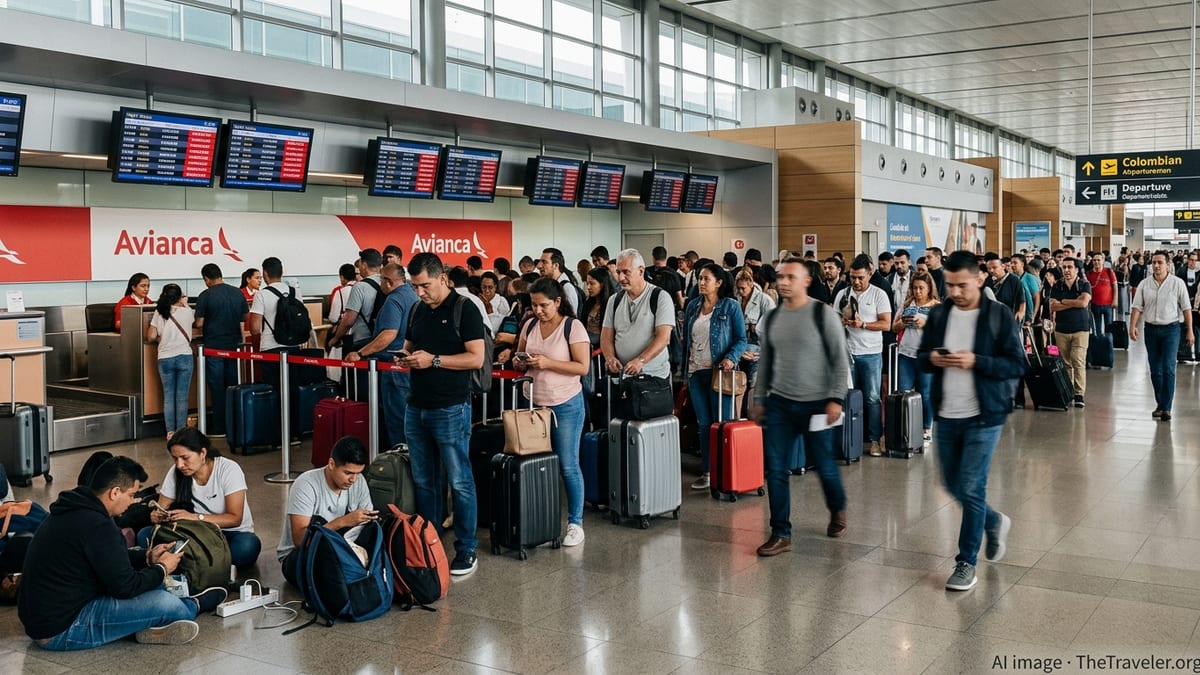
Wide Network Disruption Across Major Colombian Hubs
Publicly available flight tracking data and media coverage indicate that the latest operational disruption hit LATAM Colombia’s core network, affecting some of the country’s most heavily used routes. Services linking Bogotá’s El Dorado International Airport with Medellín, Cali and Cartagena were among those most impacted, alongside flights touching Barranquilla on the Caribbean coast.
The cancellations and delays rippled through both point-to-point and connecting traffic. Bogotá, which serves as LATAM Colombia’s main base, functions as a critical bridge between regional cities and international destinations in South America and beyond. When multiple flights on these high-frequency corridors are removed from the schedule over a short period, knock-on effects can quickly accumulate across the system.
Operations at Medellín’s José María Córdova International Airport, Cartagena’s Rafael Núñez International Airport, Cali’s Alfonso Bonilla Aragón International Airport and Barranquilla’s Ernesto Cortissoz International Airport were all affected to varying degrees. Passengers on some domestic services faced lengthy waits, while others attempting to connect onward to international flights saw itineraries unravel as departure times slipped or services disappeared from departure boards.
Published reports describe airport terminals filling with uncertain travelers seeking information or alternative options as LATAM’s customer service channels absorbed the sudden surge in rebooking and refund requests.
Adverse Conditions and Operational Strain Behind the Disruption
Recent coverage of airline operations in Colombia points to a combination of meteorological and operational pressures that have periodically constrained traffic at El Dorado and other hubs. In past weeks, low visibility events and weather-related capacity reductions in Bogotá triggered waves of cancellations and delays across several carriers, including LATAM, as traffic controllers limited arrivals and departures for safety reasons.
Industry observers note that when visibility drops or storms move across central Colombia, airlines often must consolidate frequencies, prioritize certain routes, or temporarily suspend operations while conditions stabilize. Once the immediate weather threat passes, the challenge shifts to repositioning aircraft and crew, a process that can take many hours and leave residual disruption long after the skies clear.
In addition, Colombian carriers are operating in a cost-sensitive environment characterized by high airport fees, volatile fuel prices and strong demand on trunk routes. Aviation analysts suggest that such structural pressures can reduce operational flexibility, leaving airlines with fewer spare aircraft and crews available to absorb unplanned disruptions. When a significant number of flights are affected on a single day, schedules across the network can quickly become misaligned.
In the case of the latest LATAM Colombia disruption, observers highlight how even a relatively modest number of cancellations and delays can cascade through a tightly interconnected system, particularly when they touch the country’s five principal air gateways at the same time.
Hundreds of Passengers Stranded and Itineraries Upended
Reports from Colombian media outlets and social platforms describe scenes of crowded check in halls and boarding areas as travelers attempted to understand their options. With 18 flights removed from the schedule and five operating late, the number of affected passengers likely ran into the hundreds, given the typical capacity of single aisle aircraft serving routes such as Bogotá Medellín or Bogotá Cartagena.
Some travelers reported missing international connections after domestic feeder flights arrived late or not at all, forcing them to rebook onward segments or wait for space on later departures. Others described being advised to return home or to local accommodation while they awaited updated flight assignments or refunds. The lack of spare seats on remaining flights, particularly on peak weekend and holiday travel days, compounded difficulties.
Families heading to leisure destinations on Colombia’s Caribbean coast and business travelers shuttling between Bogotá and major regional centers appear to have been among the most affected. For tourists, disrupted itineraries meant lost hotel nights, missed tours and changes to onward travel, while corporate passengers faced rescheduled meetings and extended time away from home.
Travel forums and social channels featured accounts of passengers queuing at customer service desks for hours, as well as others who opted to purchase last minute tickets on rival airlines in order to keep critical plans on track, intending to pursue refunds or reimbursements from LATAM at a later stage.
LATAM’s Response and Passenger Rights Under Colombian Rules
According to publicly available information on LATAM’s customer policies and past disruption events, the airline typically offers rebooking on the next available flight, ticket refunds in some circumstances and, when required by local regulations, assistance with meals and lodging for significantly delayed or stranded passengers. The extent of support depends on the cause of the disruption and whether weather, air traffic restrictions or airline controlled operational issues are involved.
Colombia’s civil aviation framework establishes minimum standards of care and compensation for travelers facing cancellations and long delays, especially when responsibility does not lie with extraordinary external events. Consumer advocates often encourage passengers to document expenses, maintain boarding passes and keep records of any written communication from the airline in order to support later claims.
Specialists in air passenger rights note that itineraries involving international connections can be particularly complex. Rules may differ depending on whether the journey includes segments under foreign jurisdictions or code share arrangements with non Colombian carriers. Travelers affected by the LATAM Colombia cancellations are being advised in public guidance to review the specific terms of their tickets and consult official consumer protection channels if they believe assistance offered at the airport was insufficient.
Observers also point out that while many travelers seek monetary compensation, practical support on the day of disruption such as timely information, hotel accommodation when necessary and reasonable options for rerouting often has the largest impact on how an incident is perceived.
Broader Questions Over Resilience of Colombia’s Air Network
The latest round of cancellations and delays at LATAM Colombia comes amid broader scrutiny of air travel reliability in the country. The collapse or downsizing of several local carriers in recent years has left a smaller group of airlines responsible for maintaining domestic connectivity, increasing the strain on those that remain active in the market.
Analysts observing Colombian aviation trends say concentrated traffic flows through a handful of major hubs magnify the impact of any operational disturbance. When Bogotá or another key airport experiences weather or infrastructure constraints, disruptions can quickly spread to outlying cities, leaving passengers in places like Barranquilla or Cali facing limited alternatives.
Travel industry specialists argue that recurring episodes of cancellations and delays highlight the importance of investments in air traffic management, airport infrastructure and robust contingency planning by airlines. They note that as demand for domestic and inbound tourism to Colombia continues to grow, carriers such as LATAM Colombia will need to balance cost pressures with measures that strengthen operational resilience.
For now, travelers planning to move between Bogotá, Medellín, Cartagena, Cali and Barranquilla are being encouraged by public advisories and travel experts to monitor flight status closely, build additional time into connections and stay informed about their rights should schedules change at short notice.