

More news on this day
A prominent coalition of immigrant rights organizations has issued an unusual travel warning about flying to and within the United States, citing rising reports of detentions at airports and expanding information sharing between immigration authorities and security agencies.
Get the latest news straight to your inbox!
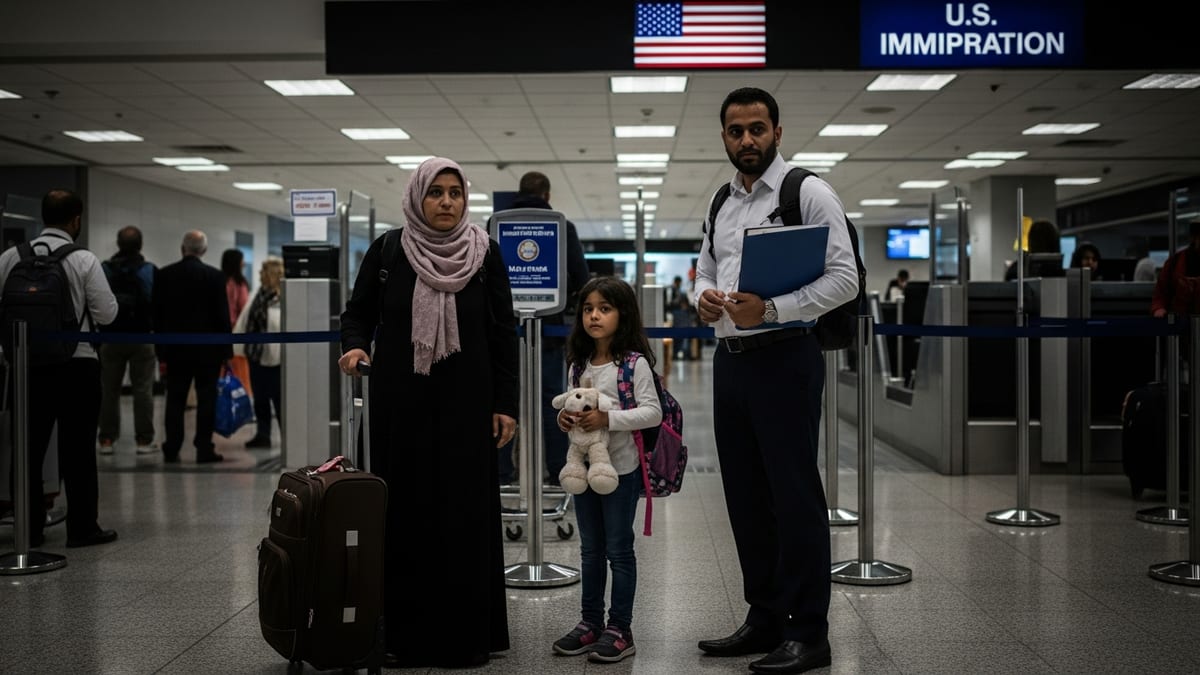
Warning Follows Reports of Intensified Airport Enforcement
The advisory, released in recent days by a national network of immigrant rights and legal advocacy groups, urges noncitizens with unresolved immigration cases or past visa overstays to carefully reconsider upcoming air travel involving U.S. airports. The guidance applies to both international arrivals and domestic flights, reflecting concern that routine trips are increasingly intersecting with federal immigration enforcement.
According to publicly available data and recent media coverage, immigration arrests and detentions have climbed under the current administration, including a spike in people booked into Immigration and Customs Enforcement facilities in June, the highest monthly total since the latest enforcement campaign began. Civil liberties advocates note that a growing share of those detained have no criminal record, or only minor infractions, compared with previous years.
Recent legal practice advisories for attorneys now include dedicated sections on airport travel risk, urging lawyers to review clients’ immigration histories before they fly and to warn about the possibility of questioning or detention even for individuals who entered the country legally and have active applications pending. These documents frame air travel as a point of particular vulnerability in a landscape of sharpened enforcement priorities.
The new immigrant-focused travel warning is notable because such alerts have historically been associated with foreign ministries or international organizations rather than domestic civil rights groups. Advocates say they are responding to a pattern of airport encounters that has begun to surface in local news reports, court filings and community hotlines across several states.
Data Sharing Turns Airport Security into Screening Net
Reports from watchdog organizations and legal analysts describe a web of agreements that have expanded information sharing between immigration authorities and airport security systems. A key arrangement, disclosed through public records, allows immigration enforcement agencies to provide passenger names that are then checked against aviation security databases, with notifications sent back when individuals are scheduled to travel.
Publicly available documents indicate that this kind of screening can flag travelers whose visas have expired, whose applications for permanent residency or asylum are still pending, or who have outstanding removal orders. The alerts can reach immigration officers long before travelers reach a check-in counter or security line, effectively transforming parts of the commercial aviation system into an early warning network for enforcement actions.
Legal experts warn that such arrangements raise due process and civil liberties concerns, particularly when people with strong ties to the United States and ongoing legal cases find themselves detained during otherwise routine travel. Rights groups argue that systems created to protect aviation security are now serving broader enforcement aims, without the transparency or independent oversight normally associated with immigration adjudication.
In practice, the travel warning notes, this means that a person who believes they are following the rules by keeping an application current or attending immigration hearings could still be intercepted at the airport. The advisory encourages travelers to seek legal counsel before booking flights and to carry documentation demonstrating any pending petitions or relief they may be pursuing.
Community Alerts Highlight Localized Detention Spikes
While national detention statistics provide a broad picture, the new warning is also grounded in local episodes that have drawn alarm from immigrant communities and city leaders. Community alerts in places such as California and the Northeast have documented clusters of airport detentions involving long-term residents, including individuals with U.S. citizen family members and no serious criminal history.
At some airports, university-based legal clinics and nonprofit organizations have circulated multilingual flyers describing increased immigration activity around boarding gates, baggage claim areas and connecting flight corridors. These alerts urge travelers to know their rights, advise those with uncertain status to avoid nonessential travel and provide hotline numbers for people who witness or experience enforcement encounters.
In several cities, local outlets have reported on legal challenges to immigration arrest practices at or near transportation hubs, including claims of warrantless detentions that later drew scrutiny from federal judges. Rights groups point to these cases as evidence that intensified enforcement can outpace constitutional safeguards, particularly in fast-moving airport environments where people may feel pressured to answer questions or surrender documents without understanding their options.
The travel warning situates these local incidents within a broader map of enforcement activity that includes courthouse arrests, neighborhood raids and cooperation agreements between federal agencies and local law enforcement. Advocates argue that airports are now one of several front lines where immigration policy is being tested, often with high stakes for families whose livelihoods depend on the ability to travel for work, school or emergencies.
Legal Advocates Offer Risk Assessments and Travel Strategies
In response to the growing anxiety around airport travel, immigration lawyers and nonprofit legal networks are formalizing guidance that was once shared informally in community workshops. Recent practice advisories recommend that attorneys conduct detailed risk assessments before a client travels, focusing on prior removal orders, criminal records, prior overstays and gaps in lawful status, as well as the stage of any pending applications.
These materials also advise noncitizens to gather key documents in advance of travel, such as receipts for recently filed applications, copies of past immigration decisions and identification that is consistent across agencies. While carrying paperwork cannot prevent detention, legal practitioners say it can sometimes help clarify a traveler’s status and reduce the risk of misidentification or wrongful arrest.
Some immigrant-serving organizations have started hosting virtual briefings that walk participants through what they might encounter at domestic and international terminals, including secondary screening and referrals to immigration officers. The travel warning references this type of preparation as a way to balance urgent needs to travel with awareness of the current enforcement climate.
Advocates emphasize that each case is highly specific, and that broad rules about who can safely travel are impossible to guarantee. The advisory ultimately directs noncitizens to consult qualified immigration counsel before making travel decisions, particularly if they have any history of visa overstays, prior arrests, denied applications or previous interactions with immigration agencies.
Rights Groups Call for Oversight as Summer Travel Peaks
The rare travel warning lands at the height of the summer vacation period, when international arrivals and domestic tourism are typically strongest. Rights organizations argue that this timing increases the potential for confusion, as airports grow busier and more travelers encounter policies that have quietly shifted since they last flew.
The coalition behind the advisory is urging federal lawmakers to investigate how immigration screening has been integrated into commercial air travel and to require more transparency around the use of passenger data. Public statements from these groups call for clearer limits on when and how airport screenings can trigger immigration detentions, and for safeguards to ensure that people with active legal cases are not removed from the country without the chance to fully present their claims.
As enforcement agencies signal continued focus on airports and travel hubs, immigrant communities are left to weigh the benefits and risks of flying under the current environment. For some, the warning may prompt the postponement of family visits or work trips; for others, particularly those with urgent reasons to travel, it may simply underscore the importance of legal preparation and contingency planning.
With no immediate indication of a policy reversal, legal advocates expect airport-related detentions to remain a flashpoint in the broader immigration debate. The new travel warning, they say, is intended both as a practical guide for at-risk travelers and as a public signal that the country’s aviation system is being reshaped in ways that extend far beyond ticket counters and security lines.