


More news on this day
India is investing in a new generation of high-tech public sanitation facilities, positioning upgraded toilets and hygienic amenities as critical infrastructure for a more welcoming tourism experience.
Get the latest news straight to your inbox!
From Swachh Bharat to Smart Sanitation for Travelers
Publicly available information shows that India’s Swachh Bharat Mission, launched nationally in 2014, has shifted from a singular focus on toilet construction to a broader agenda that includes cleaner public spaces and visitor-facing amenities. Recent policy documents under the mission’s urban phase describe a push for “Swachh Smart Toilets,” emphasizing not just access, but maintenance, digital monitoring and user feedback in busy urban centers and transit nodes.
Tourism planners increasingly frame sanitation as core infrastructure rather than a secondary service. Ministry of Tourism material on schemes such as Swadesh Darshan and PRASHAD highlights toilets, drinking water and solid waste systems as essential components of destination development, on par with roads and signage. The goal is to ensure that major circuits, from heritage cities to pilgrimage sites, can accommodate rising visitor numbers without compromising hygiene.
Officials have also linked the sanitation drive to broader sustainability goals, including India’s “Travel for LiFE” commitments, which encourage responsible traveler behavior and low-impact tourism. Clean, functional toilets are presented as a basic precondition for any shift toward greener and more community-friendly travel models.
While critics point to uneven maintenance and quality across regions, sector analyses indicate that the presence of dependable sanitation is becoming a competitive factor in how domestic and international tourists evaluate destinations within India.
Smart Toilets, Sensors and Self-Cleaning Cubicles
The new wave of infrastructure includes a range of high-tech toilet formats, from sensor-based e-toilets to fully automated public conveniences. Descriptions of these facilities highlight features such as motion-triggered flushing, automated floor and pan cleaning, real-time water-level monitoring and remote diagnostics to alert operators when tanks or cleaning supplies need attention.
One category gaining visibility is self-contained “intelligent public toilets” that combine durable materials with automated cleaning cycles and access control through coins, smart cards or push-button systems. Product literature emphasizes vandal-resistant design, solar power options and layouts tailored to women, children and people with disabilities, aiming to address long-standing safety and inclusivity concerns in public sanitation.
Other innovators are experimenting with advanced treatment technologies that drastically reduce water use and recycle waste on-site. Newer installations showcased by sanitation-focused start-ups describe multi-stage treatment processes, solar-backed energy systems and odor-control mechanisms intended for high-footfall locations such as transport hubs, markets and tourist promenades.
Cities recognized under national cleanliness rankings are increasingly referenced as early adopters of such systems. Case studies from municipal smart-city programs point to automated toilet clusters in central business districts and around popular landmarks, where footfall from tourists and commuters is highest and the reputational risk of dirty facilities is most acute.
Highway Wayside Amenities and Clean Transit Hubs
For road travelers, the central government has announced a concerted push to standardize sanitation along national highways. According to recent press coverage of parliamentary updates, separate toilet blocks for men and women are being installed at and near toll plazas, and a network of formal “wayside amenities” is planned at intervals of 40 to 60 kilometers on major corridors.
Guidelines for these wayside facilities describe ISO-certified toilets, bathing areas, drinking water, food courts, parking and basic retail as minimum offerings. The model is designed to replace informal, inconsistent stopovers with predictable, hygienic rest points for long-distance motorists, intercity buses and increasingly for organized tour groups moving between major attractions.
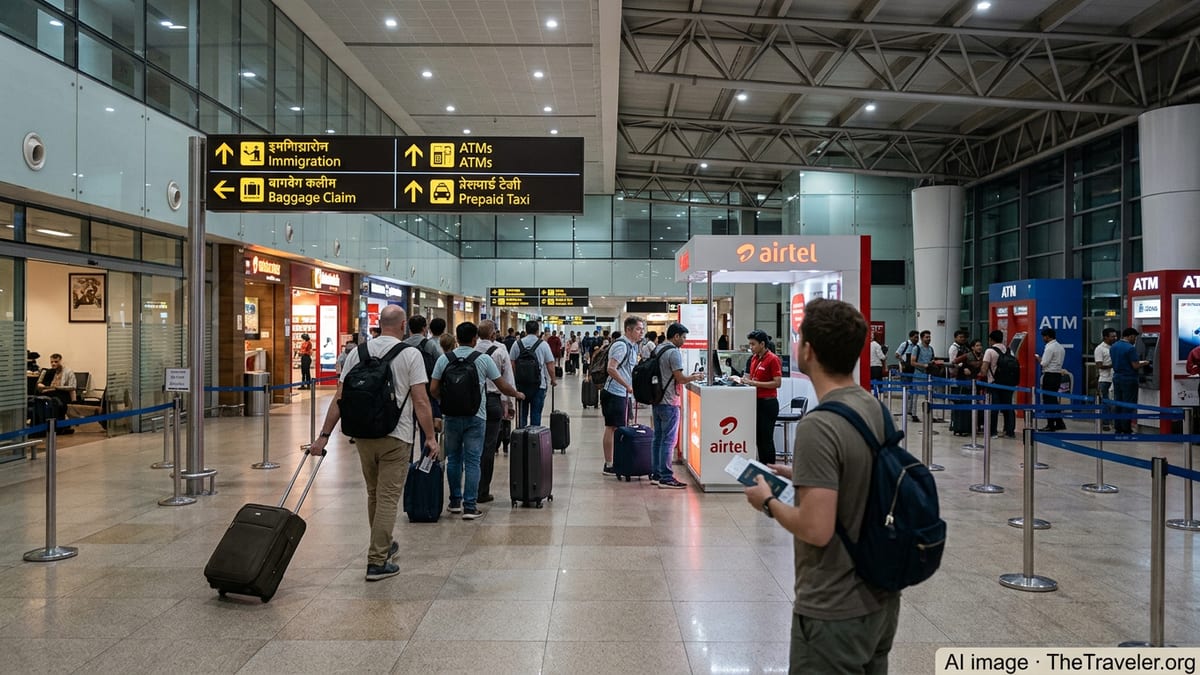
Rail and aviation upgrades are also reshaping the travel experience. Reports on Indian Railways’ recent hygiene initiatives outline a shift toward mechanized cleaning, improved toilet design and more frequent servicing on premium routes, responding to long-standing complaints about on-board facilities. At major airports, terminal expansion projects routinely cite enhanced washroom capacity, touchless fittings and dedicated family or nursing rooms as core passenger amenities.
Digital tools are emerging alongside physical upgrades. Traveler forums and coverage of government initiatives describe mobile applications that map public toilets, including many in fuel stations and municipal facilities, with cleanliness ratings that help road trippers and city visitors plan safer stops in unfamiliar areas.
Pilgrimage Megafests and Heritage Destinations as Test Beds
India’s large religious gatherings and heritage clusters have become proving grounds for mass sanitation management. Preparations for recent Kumbh festivals, for example, have included the deployment of vast numbers of temporary toilets and urinals, along with monitoring systems to track cleaning cycles and occupancy in near real time within sprawling fairgrounds that host millions of pilgrims and tourists.
At heritage sites, new investments are increasingly channeled into what tourism documents refer to as “basic amenities,” with toilets at the top of the list. Under programs that encourage public and private partners to adopt monuments, upgrade plans commonly prioritize modern washroom blocks, accessible cubicles, wastewater treatment and improved waste collection alongside conservation work.
Several state-level initiatives have also experimented with themed or architecturally sympathetic toilet designs to blend with historic surroundings. Recent examples cited in regional media include heritage-style restrooms near landmark town halls and women-focused “pink toilets” in busy market districts, positioned as both civic amenities and symbols of changing attitudes toward public hygiene.
These efforts are closely watched by tourism operators, who see clean and culturally sensitive sanitation facilities as crucial to extending visitor stays, attracting families and older travelers, and encouraging repeat visits to religious and historical circuits.
Gaps, Regional Disparities and the Next Phase of Hygienic Tourism
Despite visible progress in many hubs, assessments from sanitation-focused organizations and local newsrooms continue to document persistent gaps. Smaller towns, secondary highways and lesser-known tourist spots often report limited facilities, inconsistent cleaning and user fees that can be prohibitive for low-income travelers. Social media and traveler forums regularly flag concerns about maintenance, misuse and accessibility, even in cities with ambitious smart-sanitation pilots.
Analysts note that hardware-heavy approaches alone are insufficient. Behavioral change, transparent maintenance contracts and clear accountability mechanisms are repeatedly cited as weak points, with instances of sophisticated infrastructure falling into disrepair when cleaning budgets or operator capacity do not keep pace.
Policy discussions are increasingly turning to lifecycle management and data-driven oversight. Proposals under newer phases of Swachh Bharat and tourism-linked schemes emphasize real-time monitoring of toilet uptime, independent cleanliness audits, integration with solid and liquid waste management systems and public dashboards that track performance at high-profile sites.
As India targets higher tourist arrivals and seeks to disperse visitors beyond a handful of marquee destinations, the quality of public toilets and hygienic amenities is emerging as a litmus test for the country’s broader infrastructure ambitions. The success of high-tech sanitation pilots, and their replication beyond showcase corridors, is likely to influence how confidently travelers choose to explore India’s emerging circuits in the years ahead.