


More news on this day
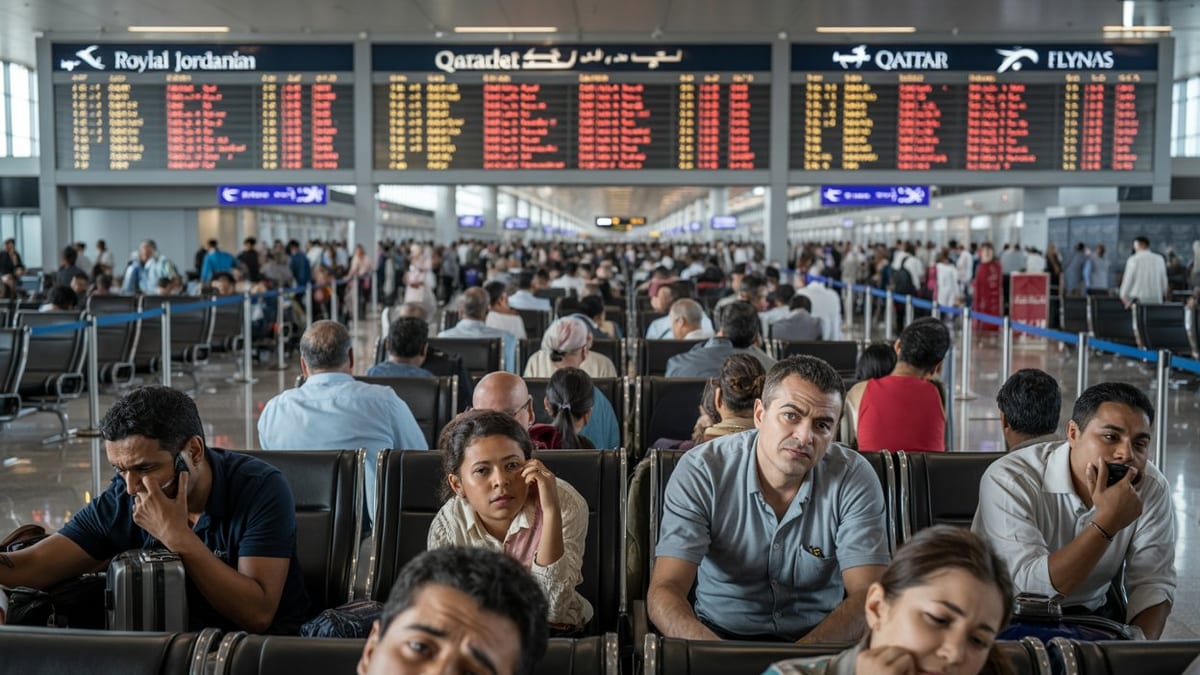
Hundreds of passengers were stranded at Hartsfield-Jackson Atlanta International Airport on April 14 as a wave of disruptions delayed 225 flights and canceled 39 services across major carriers, affecting travel links to Canada, Europe and Asia.
Get the latest news straight to your inbox!
Major Carriers Hit as Operations Slow at World’s Busiest Hub
Publicly available tracking data for April 14 indicate that Hartsfield-Jackson, a critical connecting hub for domestic and international travel, experienced a sharp spike in disruption, with 225 departures and arrivals delayed and 39 flights canceled. The operational strain affected a broad mix of airlines, including Delta Air Lines, Southwest Airlines, Korean Air, United Airlines and several partner and regional carriers.
Delta, which operates its largest hub in Atlanta, accounted for a significant share of the affected schedule as rolling delays spread through its network. Codeshare partners such as Korean Air, which markets services operated on Delta aircraft between Atlanta and onward international destinations, were also drawn into the disruption as late departures in Georgia cascaded into missed connections on long haul routes.
Southwest and United, both of which maintain smaller but strategically important schedules at Hartsfield-Jackson, also reported disrupted operations. While the number of outright cancellations remained lower than during large-scale meltdowns seen in previous years, the volume of delayed flights placed pressure on gate availability, crew rotations and aircraft positioning throughout the day.
Flight-status services and aviation data platforms showed congestion building across multiple banks of departures, with departure times repeatedly revised in response to aircraft and crew imbalances. The pattern reflected the vulnerability of hub-and-spoke systems, where relatively modest operational hiccups can rapidly scale into widespread timetable disruption.
Knock-on Effects for Toronto, London, Abu Dhabi and Other Gateways
The delays at Atlanta rippled well beyond the southeastern United States, affecting transborder services to Canada and long haul routes to Europe and Asia. Publicly available information shows that flights connecting through Hartsfield-Jackson to Toronto Pearson encountered extended ground holds and missed connections, leaving passengers to queue for rebooking on later departures.
Services linking Atlanta with major European gateways such as London experienced similar strain. Passengers connecting from delayed domestic feeders into evening transatlantic departures faced tight or unworkable connection windows, prompting same-day rebooking where seats were available. For those unable to secure alternative itineraries, overnight stays in Atlanta became necessary as aircraft reached crew-duty limits and missed slot times overseas.
Routes to the Gulf and onward to Asia, including connections via Abu Dhabi, were also affected as passengers arriving late into Atlanta were unable to board scheduled long haul departures. Travel industry reports indicate that some travelers heading onward to destinations in South and East Asia were rerouted through alternative hubs in Chicago, New York or Dallas, adding additional travel time and complexity to already lengthy journeys.
Because Hartsfield-Jackson functions as a primary gateway between smaller US cities and international services, disruption there can quickly constrain options for reaching overseas destinations. Even where long haul flights ultimately departed close to schedule, the late arrival of connecting passengers from delayed feeder flights translated into missed trips and extended layovers across the global network.
Passengers Face Long Queues, Missed Connections and Limited Rebooking Options
As delays mounted, travelers at Atlanta reported crowded gate areas, long lines at customer service desks and difficulty securing same-day alternative flights. With load factors on many domestic and international routes already high, airlines had limited spare capacity to accommodate disrupted passengers on later services.
Publicly available coverage of recent US travel disruptions highlights how quickly hotel capacity and ground transport options can tighten around Atlanta when irregular operations persist into the evening. On April 14, the combination of late-arriving aircraft, crew-time restrictions and missed onward slots created a backlog of travelers seeking overnight accommodation or rerouting via other hubs.
For international passengers, missed connections carried additional complications, including the need to rebook separate tickets, reorganize ground arrangements abroad and, in some cases, secure new transit or entry documentation aligned with revised itineraries. Travel industry guidance typically recommends maintaining generous connection times at large hubs such as Atlanta, yet the scale of delays on this occasion left even those buffers insufficient for some itineraries.
Travel insurance providers and passenger-rights organizations note that US regulations offer limited automatic compensation for delays compared with regimes in some other regions. As a result, many affected travelers may need to work directly with their airlines or insurers to recover out-of-pocket expenses related to hotels, meals and missed event bookings.
Systemic Fragility Highlighted by Recent Patterns of Disruption
The disruption at Atlanta on April 14 follows a series of recent days in which US carriers have faced elevated delay and cancellation numbers across multiple hubs. Aviation analytics cited in financial and travel industry reporting point to a combination of factors, including tight aircraft utilization, crew availability, shifting demand patterns and weather volatility around key hubs such as Atlanta.
Analysts note that when a major hub like Hartsfield-Jackson experiences even a modest operational slowdown, the interdependence of schedules can quickly amplify problems. Aircraft arriving late into Atlanta may turn around behind schedule, while crew members approach their legal duty-time limits, forcing further rescheduling and, in some cases, cancellations when no replacement crews are available.
International partnerships deepen the complexity. Codeshare arrangements between Delta and Korean Air, as well as interline agreements with carriers serving Europe and the Middle East, mean that disruptions in Atlanta can extend into foreign airlines’ networks. When a connecting bank of US domestic flights runs late, long haul partners must decide whether to hold departures for late passengers, risking missed slots and delays at destination airports, or to depart on time and rebook stranded travelers later.
Travel industry observers suggest that the Atlanta disruptions provide another example of how slim operational margins remain across portions of the US airline sector. Even without a single dominant weather event or technical breakdown, accumulated minor delays, tight turn times and high demand can combine to create conditions in which hundreds of flights at a single airport fall behind schedule.
What Travelers Can Do During Widespread Airport Disruptions
Consumer guidance from aviation and government travel resources recommends that passengers caught in large-scale disruptions such as those in Atlanta on April 14 make use of airline apps and websites as early as possible to monitor flight status and pursue rebooking options. Digital tools often update more quickly than airport displays and can allow travelers to confirm seats on alternative flights before airport queues lengthen.
Travel experts also emphasize the value of building flexibility into itineraries, particularly when connecting through busy hubs. Longer connection windows, early-day departures and avoiding the last flight of the night on critical legs can reduce the risk of being stranded if delays accumulate. For long haul journeys to destinations such as Toronto, London or Abu Dhabi, many advisers suggest considering at least several hours between domestic and international segments.
Where delays result in missed connections, passengers are generally encouraged to keep documentation of expenses, such as hotel bills and meal receipts, that may be needed later in discussions with airlines or insurance providers. For trips involving separate tickets on multiple carriers, advance planning is especially important, as protection and rebooking rights can be more limited than on through-ticket itineraries.
As Atlanta’s experience on April 14 demonstrates, even a single day of elevated delays and cancellations at a major hub can create knock-on effects lasting well beyond the original travel date. For travelers, staying informed, maintaining realistic buffer times and understanding airline policies remain key strategies for navigating an increasingly fragile global air network.