


More news on this day
IndiGo is temporarily suspending flights to six popular Asian destinations, including Hong Kong and Shanghai, from early July until the end of September 2026, in a move that reshapes key leisure and business links for Indian travelers.
Get the latest news straight to your inbox!
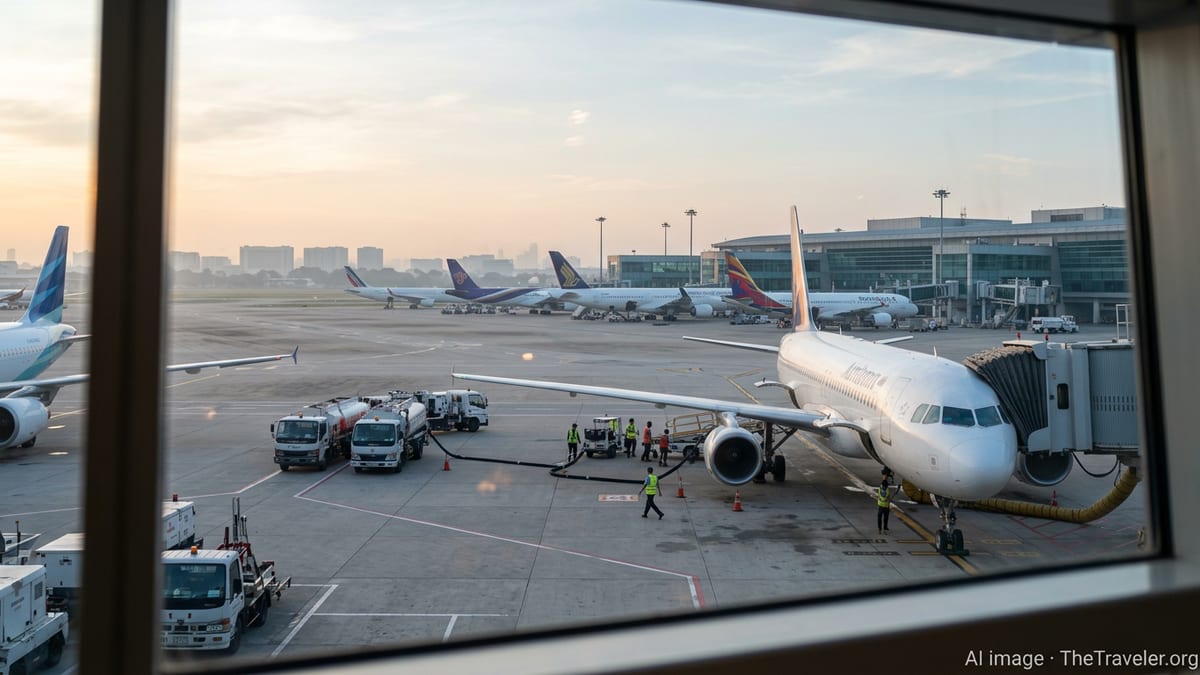
Seasonal Pullback Hits Six High-Profile Destinations
Publicly available information shows that IndiGo will halt services to Langkawi, Krabi, Ho Chi Minh City, Hong Kong and Shanghai from 1 July 2026, with flights to Siem Reap pausing from 3 July 2026. The suspension is scheduled to remain in place until 30 September 2026, covering the bulk of the upcoming quarter.
Reports indicate that the airline is framing the step as a temporary network adjustment rather than a permanent exit. IndiGo has stated through published material that bookings for all six destinations are expected to reopen from 1 October 2026 for travel in the following season, with the possibility of earlier reinstatement if conditions improve.
The decision groups Hong Kong with a cluster of Southeast Asian beach and heritage destinations, underlining how broadly the carrier is trimming exposure on routes where demand is considered softer during the Indian monsoon and late summer period. Shanghai, a major business hub, is part of the same pullback, highlighting that the pause is not limited to purely leisure-focused markets.
For Hong Kong and Shanghai in particular, the suspension narrows a relatively new set of connections that had helped expand India’s air links with major East Asian financial and commercial centers. Travelers relying on IndiGo for these routes will now need to rebook with full-service and low cost rivals that continue to operate between India, Greater China and mainland Southeast Asia.
Soft Demand and Cost Pressures Drive IndiGo’s Strategy
According to airline statements cited in financial and travel industry coverage, IndiGo is reacting to what it describes as traditionally softer demand in the July to September window, alongside an “incredibly challenging” cost environment. The period coincides with the off peak phase for many outbound Indian leisure travelers, squeezed between the school summer holidays and the big festive season later in the year.
Industry analysis in recent days has drawn attention to higher fuel prices and currency volatility as key contributors to rising operating costs for Indian carriers. Longer routings in certain regions and continuing constraints on some international airspace are also reported to be pushing up block times and unit costs, making marginal routes harder to sustain at low fares.
Against that backdrop, IndiGo appears to be focusing capacity on stronger yielding markets while stepping back from thinner or more seasonal routes. The carrier has emphasized in public information that it will still operate more than 1,800 weekly international flights despite the cuts, suggesting an intention to preserve overall overseas scale even as individual city pairs are paused.
Analysts following the airline sector note that this kind of targeted pullback has become more common across global networks whenever costs spike. Rather than reducing entire international footprints, airlines increasingly refine route maps quarter by quarter, switching capacity to segments where load factors and yields hold up best.
Impact on Holidaymakers and Short Break Markets
The suspension is likely to be felt most sharply by Indian holidaymakers bound for Southeast Asia. Krabi and Langkawi are popular beach gateways for travelers from metros such as Delhi, Mumbai and Bengaluru, while Ho Chi Minh City and Siem Reap anchor itineraries that combine Vietnamese cities with Cambodia’s Angkor temple complex.
Travel trade reports in India describe disappointment among agents who had promoted these destinations aggressively for the 2025 to 2026 winter and early summer seasons, buoyed by IndiGo’s growing point to point network and competitive pricing. Many had built package offerings around the carrier’s non stop or one stop links, particularly from secondary Indian cities that previously required more complex connections.
With IndiGo stepping back until October, package operators are expected to rely more heavily on rival regional airlines and on multi airline itineraries that may involve longer travel times or higher fares. For cost sensitive travelers in tier two and tier three cities, those changes could dampen demand or push trips further into the peak festive window when capacity is likely to return.
Destination authorities in Thailand, Malaysia, Vietnam and Cambodia have spent recent years courting Indian visitors, who are seen as a fast growing and resilient outbound market. The temporary removal of direct or convenient low cost connections from India’s largest carrier may slow the pace of recovery in arrivals from the subcontinent over the three month period.
Hong Kong and Shanghai Lose a Growing India Link
Beyond leisure itineraries, the decision touches business and family travel flows between India and two of Asia’s most important cities, Hong Kong and Shanghai. IndiGo’s entry had added extra capacity and price competition on corridors that have traditionally been dominated by full service and foreign carriers.
According to recent aviation coverage, the airline’s temporary exit reduces non stop and one stop options from several Indian gateways to these Chinese markets. Passengers who had chosen IndiGo for relatively low fares and familiar service standards will now have to rebook on alternative airlines, some of which may route via intermediate hubs such as Singapore, Kuala Lumpur or the Gulf.
Travel industry observers suggest that corporate travelers are less likely to cancel trips outright, but may shift to other carriers and routings, potentially raising travel budgets for firms that had locked in IndiGo based policies. Small and medium sized enterprises, which are often particularly price sensitive, could feel the effect most.
For Hong Kong and Shanghai’s tourism and meetings segments, the impact over a three month window is expected to be manageable in the context of wider regional connectivity. However, the pause underscores how quickly recently added India links can be recalibrated when market conditions change.
What Passengers Should Expect in the Coming Months
Consumer facing advisories in Indian media outline a series of practical steps for travelers affected by the suspension. Passengers booked on IndiGo services to any of the six destinations between early July and late September are being directed to review updated schedules, contact the airline through official channels and explore options for refunds or rebooking on alternative sectors within the network.
Travel planners note that, while the pause adds complexity, the broader Asia market remains well served by a mix of Indian and foreign carriers. Routes from India to Bangkok, Kuala Lumpur, Singapore and other major hubs continue to operate at scale, providing one stop alternatives into Krabi, Langkawi, Ho Chi Minh City, Hong Kong, Shanghai and Siem Reap via regional connections.
For departures in October and beyond, IndiGo’s published plan to reopen bookings provides some reassurance that the pullback is time limited. Industry watchers will be monitoring whether the airline restores full capacity on all six routes on 1 October 2026 or phases the return based on booking trends over the next quarter.
The episode highlights how quickly route networks can shift in response to costs and seasonal patterns, even at large and established carriers. For travelers, the latest IndiGo changes serve as a reminder to keep a close eye on schedules, avoid locking in non flexible ground arrangements too far ahead on emerging routes, and maintain backup options when planning multi country Asia itineraries.