


More news on this day
Türkiye is sharpening Ankara’s profile as a global capital with the debut of InterContinental Grand Ankara, a redeveloped landmark hotel positioned to serve luxury travelers, diplomatic visitors and culture seekers in the city’s political heart.
Get the latest news straight to your inbox!
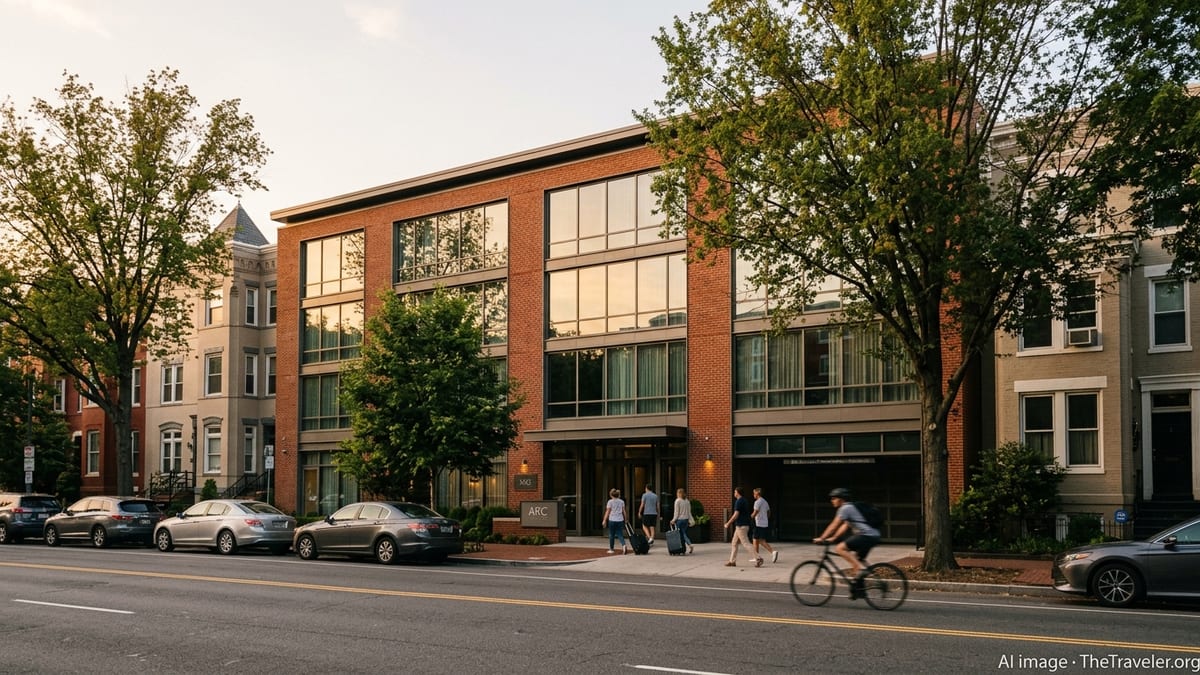
A heritage icon reborn as a flagship luxury address
InterContinental Grand Ankara has formally opened following the transformation of one of the capital’s longstanding hotels, originally known as The Grand Ankara Hotel, into a contemporary luxury property under IHG Hotels & Resorts’ InterContinental brand. Publicly available information shows that the reopening marks a new chapter for a building that has hosted generations of official events, social gatherings and visiting delegations since the 1960s.
The hotel stands on Atatürk Boulevard in the central Çankaya district, opposite the Turkish Grand National Assembly and within close reach of ministries, embassies and major business addresses. Brand materials describe the property as blending heritage architecture with updated interiors and technology, positioning it as both a symbol of the modern republic and a practical base for high-end stays in the administrative heart of Türkiye.
Details released by the brand indicate that the hotel offers several hundred rooms and suites, multiple dining outlets and a spa and wellness center, alongside extensive meeting and event facilities that can host large conferences, galas and official receptions. The combination of scale and location is expected to help Ankara compete more directly for international summits, corporate meetings and culturally focused itineraries that previously gravitated toward Istanbul and coastal destinations.
Travel trade coverage notes that the property has been added to IHG’s global luxury and lifestyle portfolio, giving Ankara increased visibility across international distribution channels and loyalty programs. For airlines, tour operators and corporate travel planners, the relaunch provides a recognizable global brand in the city center, which may make Ankara easier to package as a standalone stop or as part of multi-city itineraries across Türkiye.
Strategic boost for diplomatic and government travel
The opening of InterContinental Grand Ankara comes at a time when Türkiye is seeking to reinforce Ankara’s role as a hub for diplomacy, defense cooperation and regional dialogue. The city already hosts foreign embassies, international organizations and visiting delegations, and the addition of a new-generation luxury hotel within walking distance of parliament is expected to support a growing calendar of official and semi-official engagements.
Observers in the meetings and incentives sector point out that the property’s ballrooms, boardrooms and secure access routes are suited to high-level gatherings that require both discretion and modern infrastructure. For visiting heads of delegations, ministerial teams and multilateral working groups, the ability to stay and meet in the same complex can simplify logistics in a capital where traffic and security perimeters can affect travel times.
Published coverage of Türkiye’s tourism and investment plans for 2024 to 2028 highlights an emphasis on attracting higher-spending segments, including business travelers, conference delegates and participants in specialized events. Ankara’s new hotel capacity is aligned with that strategy, creating space for more defense expos, energy forums, think-tank conferences and academic congresses to consider the capital as a host city.
Air connectivity is also feeding into this repositioning. Ankara Esenboğa Airport has been expanding its network of international routes, and travel analysts note that modern hospitality options in the city center can strengthen the case for direct services from additional European, Middle Eastern and Asian gateways. A globally recognized luxury brand gives airlines and alliance partners a concrete product to highlight to premium passengers bound for government or institutional meetings in Türkiye.
Anchoring Ankara’s evolving cultural and city-break offering
Beyond official travel, InterContinental Grand Ankara is being framed as a gateway to the capital’s cultural landscape. Destination information shared by travel companies points guests toward nearby institutions such as the Museum of Anatolian Civilizations, Ankara Castle and historic neighborhoods that showcase the evolution of the republic from its early years to the present day.
Recent decisions at the international level are adding momentum. Ankara’s “Modern Republic Capital” heritage corridor has been accepted onto the UNESCO World Heritage Tentative List, according to European media coverage, raising the profile of sites that trace the planned development of the city in the 20th century. Tourism strategists suggest that having a high-profile luxury hotel near many of these areas makes it easier to market Ankara as an urban heritage destination in its own right, rather than only a gateway to Cappadocia or the Black Sea region.
Regional development plans published by local and national authorities emphasize new investments in museums, cultural quarters and creative industries across Ankara. Projects around Ankara Castle, contemporary art venues and gastronomy-focused initiatives are intended to encourage visitors to spend more time in the city, exploring beyond administrative districts. A centrally located property with international brand recognition is expected to capture some of this demand, offering curated experiences and concierge support for travelers who want structured cultural exploration alongside business commitments.
Travel advisors note that Ankara is increasingly being added to itineraries for repeat visitors to Türkiye. For those who have already experienced Istanbul and the Mediterranean resorts, the capital’s combination of modernist architecture, political history and emerging dining scene provides a different perspective on the country. In that context, the arrival of a new flagship hotel helps reposition Ankara from a primarily functional stopover to a city-break destination with a polished hospitality offering.
Part of a broader tourism and investment push in Türkiye
The relaunch of InterContinental Grand Ankara is unfolding against a backdrop of rising tourism numbers and new policy frameworks in Türkiye. Official investment and policy documents describe the country as one of the world’s leading tourism destinations by arrivals, with a national strategy to distribute visitor flows more evenly across regions and seasons.
The Ministry responsible for culture and tourism, together with economic planning bodies, has set targets to expand tourism’s contribution to export earnings while enhancing sustainability, cultural preservation and regional development. This approach includes encouraging private investment in accommodation, transport and experiences beyond traditional coastal hotspots, creating incentives for global brands to consider cities such as Ankara for new or upgraded properties.
Industry forums and investor roadshows held in recent years have underlined the potential for mixed-use projects and upscale hotels in secondary cities that offer strong domestic demand and stable institutional markets. Analysts following these events note that international chains see Ankara as a relatively under-served market at the luxury level, with steady year-round demand generated by government activity, universities, healthcare institutions and professional associations.
Within this landscape, the InterContinental Grand Ankara project is viewed as both a commercial venture and a signaling move. It aligns with Türkiye’s efforts to attract long-term capital into tourism infrastructure while promoting the capital as a sophisticated, livable and visitable city. The hotel’s opening adds to the narrative of Ankara evolving from a strictly administrative center into a destination where diplomacy, design, culture and high-end hospitality intersect.
Implications for travelers and the capital’s global image
For international visitors, the most immediate impact of InterContinental Grand Ankara is the addition of another recognizable option in the premium segment. Corporate travel managers gain an address that fits global policy frameworks on brand, safety and service levels, while leisure travelers who are members of major loyalty programs can now earn and redeem points in Ankara at a flagship property.
Destination marketers suggest that imagery of the renovated hotel, combined with views of the parliament district and nearby cultural landmarks, can help reshape perceptions of Ankara in global campaigns. Instead of being seen only as a functional stop, the city is being presented as a place where contemporary Turkish design meets institutional gravitas, supported by a hospitality product that meets international luxury benchmarks.
Local tourism stakeholders are also watching how the property interacts with surrounding businesses. High-end hotels have the potential to stimulate demand for independent restaurants, galleries, boutiques and cultural venues, particularly if they promote neighborhood experiences as part of their offering. In Çankaya, where diplomatic missions and residential streets sit alongside shopping and dining, this dynamic may encourage further private investment and diversification.
As Türkiye’s tourism narrative increasingly emphasizes culture, year-round city experiences and diversified regional offerings, Ankara’s new luxury landmark stands out as a tangible example of that shift. The InterContinental Grand Ankara project encapsulates how redevelopment of historic assets, international branding and a focus on diplomacy-driven and cultural travel can converge to elevate the global appeal of the country’s political capital.