


More news on this day
Internet connectivity problems at Portland International Airport are rippling through airline and on airport services this week, creating longer check in lines and raising the possibility of flight delays for passengers using the busy Pacific Northwest gateway.
Get the latest news straight to your inbox!
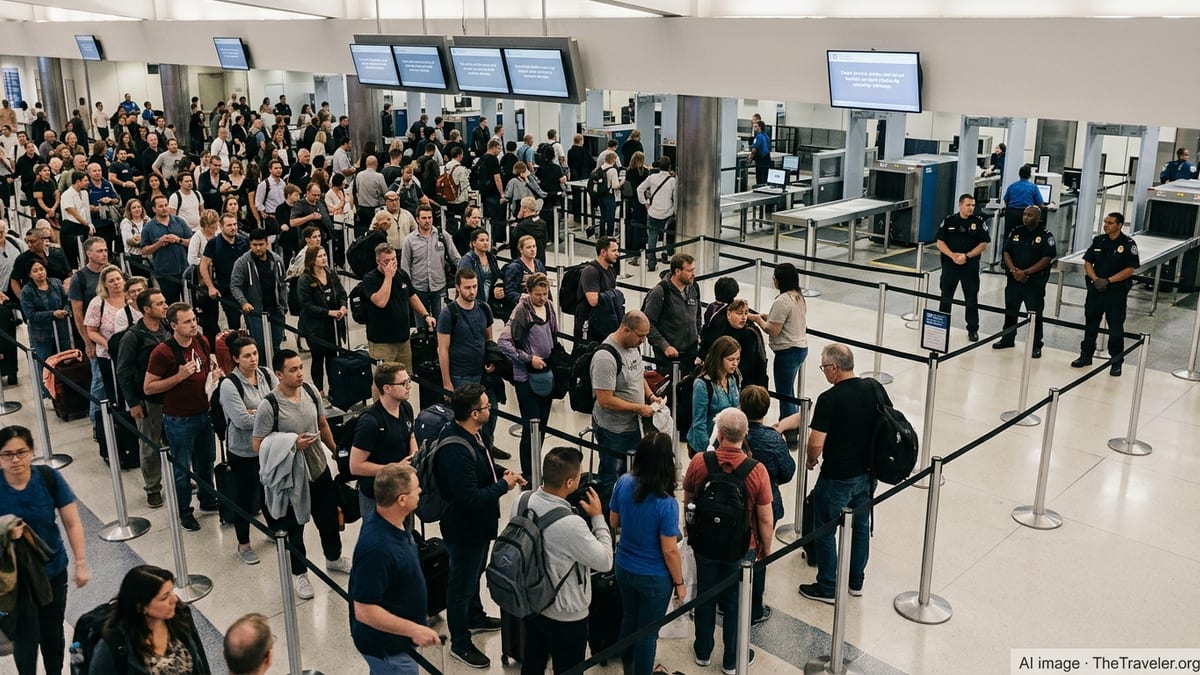
Connectivity problems trigger airport travel alert
Publicly available information on the Portland International Airport website shows a prominent travel alert advising that internet connectivity issues are currently impacting multiple airlines at PDX. The notice states that passengers may encounter longer wait times at check in and possible flight delays while teams work to restore service across affected systems.
The alert, visible across several airport information pages, also notes that selected rental car companies and other airport services are experiencing related network issues. Travelers are urged to check directly with their airlines for the latest information on individual flights, reflecting the fact that disruption can vary by carrier and route.
As of Thursday, September 3, the Federal Aviation Administration’s national status page lists only minor general delays at PDX, with typical gate hold and airborne pauses of 15 minutes or less. That overview describes broad operating conditions rather than the more granular, airline specific impacts created when internet reliant systems slow or require manual workarounds.
The combination of a formal airport travel alert and relatively modest system wide air traffic delays underscores that the most immediate effects are being felt at the terminal level, where check in, bag tagging and customer service tasks often depend on stable connections to airline networks.
How internet issues ripple through airline operations
Modern airline operations lean heavily on cloud based reservations and departure control systems, from online check in to boarding pass issuance and real time seat maps. When connectivity degrades, airport counters can quickly become bottlenecks as staff shift to contingency procedures, including manual processing of documents and baggage.
Reports from recent disruptions at PDX indicate that the current connectivity problems are forcing some passengers to spend longer in lines while airlines work around intermittent access to their systems. In practical terms, that can translate to slower bag check, delays in rebooking or seat changes, and more time needed to clear each customer at the counter.
Rental car providers and other airport concessions can also feel the impact, because point of sale platforms, reservation tools and membership databases are frequently cloud hosted. When those tools respond slowly or disconnect, staff may be unable to retrieve reservations quickly or complete transactions at normal speed, further adding to waits after arrival.
Even when flights are able to depart close to schedule, the stress of longer ground processing can cascade through a travel day, particularly for those making tight connections or arriving close to departure cut off times. For that reason, publicly available travel alerts emphasize the value of building in extra time at the airport while troubleshooting continues.
Current delay picture at PDX
National air traffic data for Portland International Airport shows that, as of the latest update, arrival and departure traffic is experiencing airborne and gate hold delays of 15 minutes or less. That pattern suggests that the internet problems have not yet translated into widespread, system level disruptions such as ground stops or long tarmac queues.
Individual travelers, however, may still experience significant variation depending on the airline, destination and time of day. Carriers with more affected systems could see longer check in times and a greater likelihood of departure delays, while others may move closer to schedule if their connectivity is more stable or if manual back up processes are running efficiently.
Trip specific tracking tools and airline status pages continue to list many Portland departures as on time, even as the airport’s own advisory highlights the risk that some flights could be delayed. That split illustrates how localized infrastructure problems can coexist with broadly normal air traffic flows, leaving much of the burden on passengers to monitor their particular itineraries.
For those connecting through PDX, the situation adds a layer of uncertainty. A short inbound delay combined with additional time needed to clear security or reach a gate can erode connection buffers, especially during peak hours when checkpoints and concourses are already busy.
What travelers can do right now
Public travel guidance from the airport recommends that passengers contact their airlines directly for the latest flight impacts and arrive earlier than usual to navigate potential bottlenecks. Allowing extra time for check in and security is especially important for those checking bags, traveling with families, or needing special assistance.
Using mobile tools before arriving at the terminal can help reduce reliance on airport based systems. When airline apps and websites are functioning normally, travelers may be able to download boarding passes, confirm seat assignments and pay for bags in advance, shortening the time required at a staffed counter if connectivity at the airport itself is inconsistent.
Once at PDX, real time departure boards and carrier specific status pages remain key resources for monitoring changes. Because conditions can evolve quickly during an IT related disruption, travelers are often encouraged in public advisories to keep a close eye on gate information and to be prepared for reassignment or retimed departures.
For those picking up rental cars or using other prebooked services, having reservation numbers and confirmation emails readily accessible can also ease the process if systems are slow. Staff may be able to process transactions more quickly when customers can supply key details without waiting for lookups in lagging databases.
Looking ahead for Portland flyers
The timing of the current internet problems is notable, arriving as late summer and early fall travel keeps passenger numbers elevated at Portland International Airport. Published airport statistics and national security throughput data show that PDX has been handling growing volumes in recent seasons, making it more sensitive to disruptions that slow front line processing.
While the precise cause and duration of the current connectivity issues have not been detailed in public facing alerts, the emphasis on restoration work suggests that airport and technology teams are treating the situation as an active incident. Until full service is confirmed, cautious planning remains the safest strategy for anyone with near term flights.
Travelers with flexibility may decide to shift to less congested times of day or to build additional layover time into itineraries connecting through Portland. Those options can help buffer the residual effects that often linger after a technical issue is resolved, as airlines and airport partners work through backlogs and return to normal rhythms.
For now, the main message from publicly available information is that Portland International Airport remains open and operating, but with a higher than usual risk of slowdowns at airline counters and certain services. Passengers who stay informed, arrive early and keep documents and confirmations handy are best positioned to navigate the disruption while crews restore stable internet connectivity across the airport campus.