


More news on this day
Kenya’s aviation workers have called off a strike that disrupted flights for up to three days at major airports, allowing airlines and passengers to begin the slow process of resuming normal operations.
Get the latest news straight to your inbox!
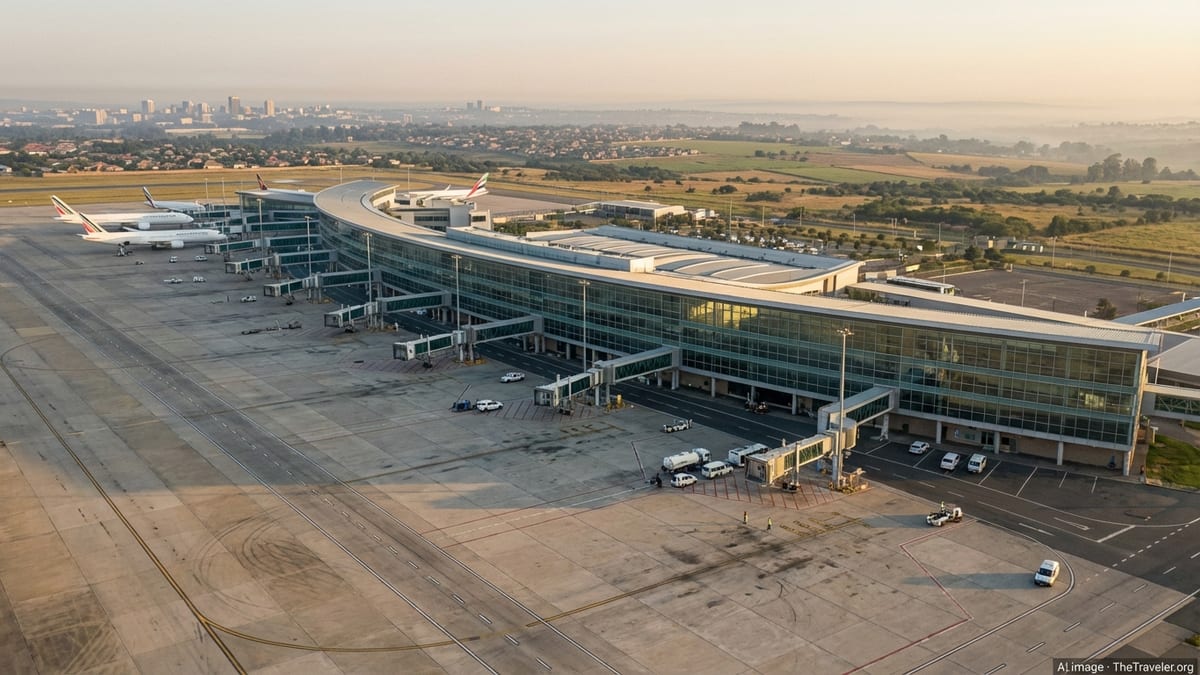
Return-to-work deal ends days of disruption
Publicly available information indicates that the Kenya Aviation Workers Union (KAWU) signed a return-to-work agreement with the Ministry of Transport and key aviation agencies on September 1, 2026, bringing an end to the industrial action that had started over the preceding weekend. The deal followed overnight and early-morning talks aimed at resolving a dispute that had crippled air traffic at Jomo Kenyatta International Airport (JKIA) in Nairobi and affected other airports across the country.
Reports indicate that the strike involved a broad cross-section of aviation staff, including air traffic control personnel and other operational workers attached to the Kenya Civil Aviation Authority (KCAA), Kenya Airports Authority (KAA) and low-cost carrier Jambojet. The walkout led to flight cancellations, long delays and diversions, with thousands of passengers stranded in terminals or forced to rebook later services.
Coverage from regional outlets shows that the return-to-work formula commits employees to resume duties immediately while management and union negotiators open structured talks on unresolved issues, including pay, working conditions and collective bargaining arrangements. The agreement effectively shifts the confrontation from airport floors to the negotiating table, where both sides are expected to work under set timelines.
International news wires further note that the move to end the strike came after pressure from the wider travel industry and the government, amid growing concerns over the impact on tourism, trade and Kenya’s position as a regional aviation hub for East and Central Africa.
Impact on flights and stranded passengers
According to published coverage, the strike’s most visible impact was at JKIA, the country’s main international gateway, where delays and cancellations affected both long-haul and short-haul connections. Flights operated by the national carrier Kenya Airways and regional airlines such as RwandAir were among those disrupted, with some services canceled outright and others experiencing rolling delays of several hours.
Travel media and local broadcasters reported scenes of crowded departure halls and baggage areas as passengers waited for updated schedules. Many travelers missed onward connections, while some incoming flights were held on the ground at origin airports or rerouted to alternative regional hubs to avoid congestion in Nairobi.
Secondary airports, including Moi International Airport in Mombasa and Kisumu International Airport, also experienced disruption, although the scale of delays varied by route and carrier. Domestic services linking Nairobi to coastal and upcountry destinations were particularly affected during the peak of the action, complicating travel plans for business and leisure passengers alike.
Aviation industry commentary suggests that even with the strike now called off, airlines will need several days to reposition aircraft and crew, clear passenger backlogs and stabilize schedules. Carriers have published advisories urging travelers to check flight status frequently and arrive early at airports while operations gradually normalize.
Key issues behind the industrial action
Background reporting on the dispute points to long-running tensions between KAWU and various aviation agencies over pay progression, staffing levels, and the implementation of collective bargaining agreements. Union representatives have previously raised concerns about wage guidelines issued by public sector bodies and about the pace of negotiations on new contracts for aviation employees.
Analysts following the sector indicate that air traffic control and ground operations staff have been under mounting pressure as passenger volumes recover and exceed pre-pandemic levels across parts of Africa. This has heightened sensitivity to issues such as overtime, safety oversight and staffing adequacy, which often feature prominently when aviation workers consider industrial action.
Media coverage of the latest strike highlights that union officials sought clearer commitments on structured talks with the KCAA, KAA and individual operators, including low-cost carriers. The return-to-work deal references fresh timelines for reviewing outstanding salary and benefits claims, as well as mechanisms to address grievances before they escalate into further stoppages.
Observers note that the dispute in Kenya fits a broader pattern of labor unrest in aviation globally, where workers contend that rising living costs and expanding traffic have not been matched by improved pay and conditions, while employers warn about tight margins and challenging operating environments.
What travelers can expect in the coming days
Travel advisers and local tourism stakeholders expect a phased return to normal flight schedules at JKIA and other Kenyan airports over the next several days. While the immediate threat of widespread cancellations has receded, residual delays are likely to persist as airlines work through backlog and reschedule stranded passengers.
According to information shared by carriers and reported in local media, some airlines are offering flexible rebooking options at no extra cost for passengers whose journeys were affected during the strike period. Travelers are being encouraged to use online self-service tools, mobile apps and contact centers to confirm their updated itineraries before heading to the airport.
For those with imminent travel to or through Nairobi, industry commentary suggests allowing additional time for check-in, security and immigration as airport teams adjust staffing and re-open previously constrained services. Ground handling, baggage delivery and customer service desks are expected to be busier than usual as operations ramp back up.
Tourism operators serving Kenya’s safari destinations and coastal resorts are monitoring the situation closely, as smooth air connectivity through Nairobi is critical for international arrivals and multi-stop itineraries within East Africa. Many are advising guests to keep in close contact with their airlines and travel agents while the aviation system returns to its normal rhythm.
Broader implications for Kenya’s aviation hub status
Kenya’s recent aviation disruption has drawn attention to the vulnerability of regional air networks when key hubs experience labor unrest. JKIA serves as a major connecting point for flights linking Europe, the Middle East and Asia with destinations across East, Central and Southern Africa, meaning any interruption can quickly ripple across multiple countries.
Sector analysts quoted in regional coverage argue that the swift conclusion of the strike limits long-term reputational damage, but they also emphasize the importance of strengthening social dialogue mechanisms to prevent similar stoppages. More predictable frameworks for addressing pay and working conditions could help maintain confidence among airlines using Nairobi as a transfer point.
At the same time, the episode has reignited discussion over infrastructure investment, modernization of air traffic management and contingency planning at major African hubs. Commentators note that as more travelers and cargo shippers rely on East African gateways, disruption management and communication strategies will become a key component of competitiveness.
For now, Kenya’s aviation sector is focused on restoring regular flight operations and rebuilding traveler confidence after a turbulent few days. How effectively airlines, regulators and unions follow through on the commitments in the new return-to-work agreement will likely shape perceptions of reliability for both tourists and business travelers planning future journeys through the country.
The Star Kenya: Aviation workers call off strike as state inks deal
Citizen Digital: Kenya aviation workers call off strike
Anadolu Agency: Kenya aviation workers end 2-day strike after deal
Kenyans.co.ke: Aviation workers call off strike after three days of disruptions