


Bears Ears National Monument has become one of the most talked-about landscapes in the American Southwest. Travelers hear whispers of glowing cliff dwellings, empty red-rock canyons, and a spiritual quiet that feels very different from Utah’s packed national parks. But is Bears Ears really worth visiting, especially if you have limited time in the region? The short answer from many who make the journey: yes, if you come prepared and with the right expectations.
Get the latest updates straight to your inbox!
What Makes Bears Ears Different From Other Utah Icons
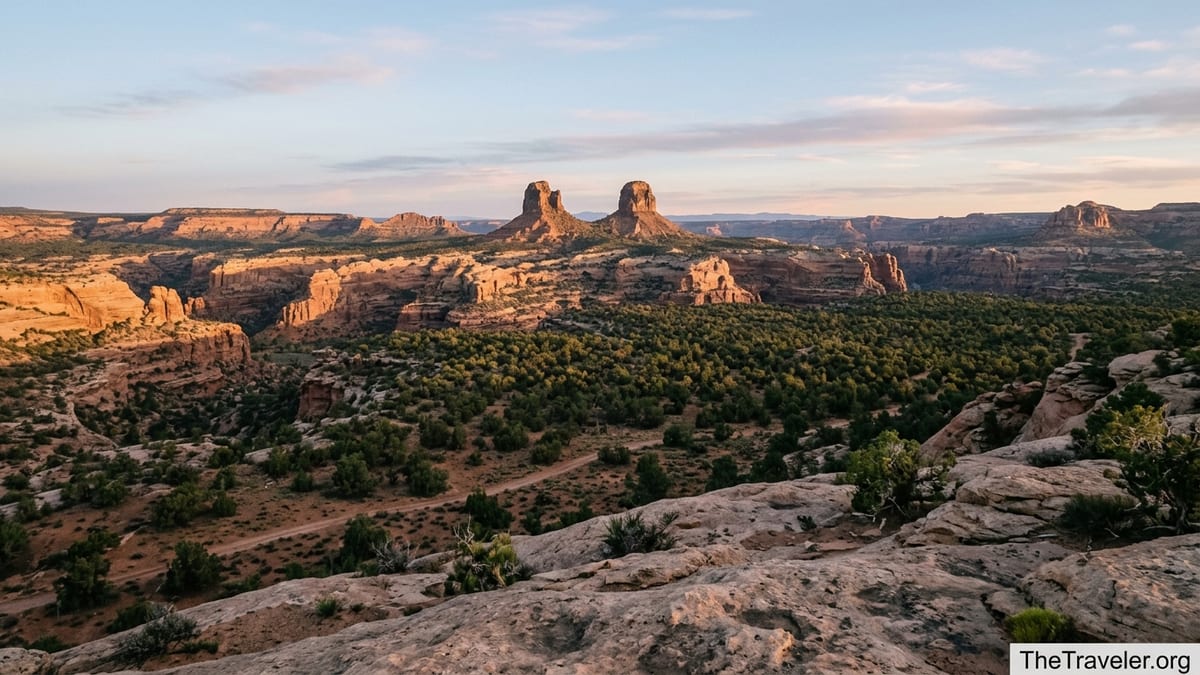
Bears Ears National Monument sits in southeastern Utah between Moab and Monument Valley, covering more than a million acres of canyons, mesas, and high desert forest. Unlike Zion or Arches, there are no entrance gates, shuttle buses, or big lodges. Much of the monument is managed by the Bureau of Land Management and the U.S. Forest Service, in collaboration with a coalition of Native American tribes with ancestral ties to the region. This co-management, along with the monument’s remoteness, shapes the experience on the ground.
Instead of a single scenic drive, Bears Ears is a network of backroads and trailheads spread across areas like Cedar Mesa, Comb Ridge, Indian Creek, and the twin buttes known as the Bears Ears themselves. Some major routes, such as U.S. 191 and Utah 95, are paved and suitable for most vehicles, while many side roads are graded dirt that become deeply rutted or slick after storms. Travelers used to the predictable infrastructure of Bryce Canyon or Canyonlands quickly discover that Bears Ears feels more like true backcountry.
What visitors tend to love most is the sense of space. On a spring weekday, it is common to hike several miles in a Cedar Mesa canyon and see fewer than a handful of other people. Campers report watching sunsets over Comb Ridge in complete silence, with only the sound of ravens and wind in the piñon-juniper. For photographers, the relative lack of crowds makes it easier to linger and work a composition without jostling for tripod space at a railing.
Bears Ears is also culturally significant in a way most parks cannot match. The monument protects tens of thousands of archaeological sites, from petroglyph panels to cliff dwellings perched high in sandstone alcoves. Visitors who stop at the Bears Ears Education Center in Bluff or at museums in nearby Blanding or Monticello often say their visit feels more meaningful after learning how living Native communities still connect to these landscapes today.
Is Bears Ears Worth Visiting? Key Payoffs For Travelers
Travelers usually decide Bears Ears is worth the detour for three main reasons: solitude, cultural immersion, and the feeling of wildness that remains hard to find in more developed destinations. If you dream of hiking to a cliff dwelling with only a few other people around, or camping on a quiet rim with a 270-degree view of canyons, Bears Ears can deliver that better than almost anywhere else in Utah.
One common itinerary example: a couple driving from Moab to Monument Valley may add two nights near Bears Ears. On day one they base in Bluff, visit the Bears Ears Education Center for orientation, then drive up to the viewpoints along Utah 95, pausing at roadside pullouts that overlook deep canyons slicing into Cedar Mesa. On day two they hike to an accessible site such as House on Fire in Mule Canyon and end the evening watching stars from a basic BLM campsite in the Indian Creek corridor. Many travelers describe this short stop as a highlight of their entire Southwest loop because of how unstructured and personal it feels.
Cost is another reason the monument appeals to independent travelers. There is no per-vehicle entrance fee the way there is at a national park. Instead, visitors pay targeted permits and passes where required. A day hiking pass for Cedar Mesa and Comb Ridge typically runs at a modest per-person or per-vehicle rate, and certain premium sites such as Moon House require a specific day-use permit with a limited daily quota. Compared with the price of lodge rooms in Springdale next to Zion, a dispersed campsite near Bears Ears and a motel in Blanding or Bluff can feel relatively affordable, especially outside peak holiday weekends.
However, Bears Ears is not for everyone. Travelers who prefer clear signage, paved scenic loops, and amenities at every turn may find the monument frustrating or even intimidating. Most trailheads lack flush restrooms, cell coverage is patchy, and you are expected to carry navigation tools, extra water, and a realistic plan. Those who arrive mentally prepared for a wilder, less structured experience are the ones who tend to leave saying the monument was absolutely worth the effort.
Signature Experiences Travelers Rave About
When people talk about Bears Ears long after they return home, they often describe a specific place or moment. One of the most photographed is House on Fire, a small Ancestral Puebloan granary tucked into a shallow alcove above Mule Canyon. The site earns its name when mid-morning light in late spring or early fall bounces off the canyon floor and makes the streaked sandstone ceiling above the ruin glow like flickering flames. Hikers reach it on an easy, mostly flat walk of roughly 1.8 miles round-trip along a sandy wash, which makes it accessible for many reasonably fit visitors.
Another standout, for those willing to go through a stricter permit process, is Moon House on Cedar Mesa. This multi-room cliff dwelling sits high on a ledge in McCloyd Canyon. Reaching it involves driving a rough dirt road that is usually recommended only for high-clearance vehicles and then hiking a short but steep trail that drops into a side canyon and climbs back up to the ruins. The Bureau of Land Management caps the number of visitors each day and requires a special day-use permit within defined spring and fall seasons. Travelers who have done both House on Fire and Moon House often describe Moon House as the more dramatic and immersive, but also the more logistically demanding.
Beyond cliff dwellings, hikers and backpackers praise the lesser-traveled canyons of Cedar Mesa and Comb Ridge. Multi-day treks through places such as Grand Gulch or Kane Gulch weave past alcoves, seeps, and scattered archaeological sites, with nights spent on sandy benches beneath cottonwoods. These routes demand solid navigation skills, water management, and respect for fragile desert soils, but they reward those who prepare with a sense of immersion that few short road trips achieve.
For scenic drivers, the experience can be as simple as rolling south along Utah 261 and descending the famed Moki Dugway, a series of steep switchbacks carved into the cliff edge of Cedar Mesa. In dry, clear conditions, this graded gravel road provides sweeping views over the Valley of the Gods and Monument Valley country. Pairing a slow drive down the Moki Dugway with sunset in the Valley of the Gods or an overnight at a basic campsite nearby is a classic Bears Ears road-trip memory.
Planning Your Trip: Seasons, Access, And Realistic Expectations
Spring and fall are generally considered the best times to visit Bears Ears. In March, April, May, late September, and October, daytime highs at Cedar Mesa elevations are usually comfortable for hiking, while nights remain cool enough for sleeping in a tent or basic cabin. Storms are still possible, especially in spring, but the risk of intense heat is lower than in midsummer. By contrast, July and August can bring triple-digit temperatures in the lower canyons along with powerful monsoon thunderstorms that make dirt roads muddy or impassable.
Winter visits are possible and can be rewarding for solitude and low-angle light, but travelers must be prepared for snow and ice on the higher parts of the monument, especially near the Bears Ears buttes themselves, which rise to over 8,000 feet. Some dirt roads become difficult or unsafe when saturated or snow-covered. A common real-world scenario: a rental SUV that handled Utah 95 easily may struggle on a side road after a snowstorm, forcing visitors to turn around well before a planned trailhead. Checking weather conditions for Cedar Mesa and consulting local visitor centers just before your trip can prevent such surprises.
Access logistics matter. Many of the most interesting areas are reached by unpaved roads where high-clearance or four-wheel drive vehicles are recommended. For example, the road to the Moon House trailhead typically features deep ruts and rock steps that would be risky for a low-slung sedan. Visitors who fly into Salt Lake City or Grand Junction and rent a vehicle often choose a mid-size SUV with all-wheel or four-wheel drive, even if it costs a bit more per day, because it opens up more options once they arrive in the monument.
Permits and passes should be part of your planning. Day hiking in the canyons of Cedar Mesa and along Comb Ridge usually requires a day-use pass, which can often be purchased in advance online or at the Kane Gulch Ranger Station when it is staffed. Premium or sensitive sites such as Moon House have their own, more limited permit systems with set seasons. Backpackers and river runners on the San Juan also face permit requirements. Because cell service is inconsistent, it is smart to secure as many of these reservations as possible before you reach Blanding or Bluff, and to print or download confirmations for offline access.
Experiencing Bears Ears With Respect
One of the defining features of Bears Ears is the density of archaeological sites scattered across the landscape. Many are not signed from the road, and some are deliberately not publicized to protect them from damage. Travelers who do reach visible ruins, rock art panels, or artifact scatters are asked to follow a set of simple but strict practices that help preserve them. These include staying on existing paths and slickrock, never entering rooms or climbing on walls, and avoiding any direct contact with rock art or fragile surfaces.
Real-world examples highlight why this matters. At popular sites such as House on Fire, land managers have documented damage from people stepping on midden soils around the ruins, rearranging pottery fragments for photographs, or brushing hands against petroglyphs. Even small actions like building new cairns or leaving modern objects in alcoves can change how a place looks and functions for future visitors and for tribal members who still consider these areas part of a living cultural landscape. Guides and rangers often encourage a simple rule of thumb: look, photograph, and leave everything exactly as it is.
Cultural respect extends beyond physical behavior. The monument’s tribal partners ask visitors to treat the region as more than a recreational playground. That can mean choosing words carefully when posting photos on social media, avoiding geotagging sensitive sites, and listening to Native-led tours or audio guides when they are available. In Bluff, for instance, the Bears Ears Education Center offers exhibits, short films, and seasonal programs that introduce tribal perspectives on the land. Many travelers report that stopping there first significantly deepens their understanding of what they will see on the trails.
Finally, standard Leave No Trace practices are especially important in this fragile high-desert environment. Cryptobiotic soil crusts, which look like dark, knobby patches on the ground, help stabilize sand and support plant life. Stepping on them can cause damage that takes decades to heal. Human waste must be packed out or buried following local regulations, and campfires are discouraged or restricted in many sensitive areas. Carrying a portable stove, using established fire rings where fires are allowed, and packing out all trash are basic steps that keep Bears Ears feeling wild.
Where To Base Yourself, Sleep, And Refill Supplies
Because there is no central gateway town built exclusively around the monument, visitors tend to base in a handful of small communities that ring Bears Ears. Bluff, Blanding, Monticello, and Mexican Hat all offer a mix of motels, small inns, vacation rentals, and a few campgrounds. As of recent seasons, it is common to find simple motel rooms in Blanding or Monticello starting at moderate nightly rates outside holiday periods, while boutique lodges and casitas in Bluff can be more expensive but offer more character and views.
Camping options range from basic BLM campgrounds with vault toilets and picnic tables in the Indian Creek corridor to dispersed sites along certain dirt roads where no formal facilities exist. These dispersed spots appeal to self-sufficient road trippers in campervans or roof-top tent rigs who bring their own water, toilets, and waste systems. For instance, travelers exploring Indian Creek often combine a stay at a small commercial campground with nights at free or low-fee BLM campsites tucked against the base of towering Wingate sandstone cliffs.
Food and fuel planning requires more thought than in Moab or Springdale. Blanding and Monticello have grocery stores large enough for a solid resupply, while Bluff offers a smaller selection of convenience items plus a few cafes and restaurants. Mexican Hat and Hanksville, farther afield, have gas stations and limited dining. It is wise to top off your fuel whenever you pass through a town, as stretches of Utah 95 and 261 do not offer services for many miles. Travelers frequently underestimate how much driving is involved once they are actually inside the monument, especially if they mix paved highways with side explorations down dirt tracks.
Water access is another practical concern. Most trailheads do not have potable water taps, and many canyon streams are seasonal or heavily silty. Visitors often carry several gallons per person in their vehicle and then filter additional water from seeps or potholes only where it is safe and appropriate to do so. On a typical spring day, a hiker exploring a Cedar Mesa canyon might carry at least two to three liters of water on their person, with extra reserves waiting in the car.
The Takeaway
Bears Ears is not the kind of place you drop into for an hour between gift shops. It rewards those who are willing to slow down, plan ahead, and approach a powerful landscape with humility. Travelers who arrive expecting another polished national park may be surprised by the rough roads, lack of services, and quiet trailheads. Those who come seeking solitude, cultural depth, and real desert wildness often leave saying their days in Bears Ears were among the most meaningful of their entire Southwest journey.
Is Bears Ears worth visiting? If you are drawn to wide horizons, silent canyons, and the chance to encounter ancient sites with respect and care, the answer is a thoughtful yes. Come in spring or fall with a reliable vehicle, paper maps, and permits in order. Stop at local education centers, listen to tribal voices, and give yourself enough time that you are not rushing from one photo stop to the next. In doing so, you help ensure that the things people love most about this Utah landmark remain intact for the generations that follow.
FAQ
Q1. Do I need a permit to visit Bears Ears National Monument?
Many activities do not require a general monument permit, but specific areas and uses do. Day hiking in Cedar Mesa canyons and along Comb Ridge typically requires a day-use pass, while special sites such as Moon House and certain backpacking routes or river trips require separate permits with limited daily quotas. It is wise to check current regulations and secure any needed passes before you arrive, since cell service is unreliable in much of the monument.
Q2. What is the best time of year to visit Bears Ears?
Most travelers prefer spring and fall, roughly March through May and late September through October, when daytime temperatures are moderate and nights are cool. Summer often brings very hot conditions in the canyons and afternoon thunderstorms that can make dirt roads muddy, while winter can mean snow and ice at higher elevations near the Bears Ears buttes. Shoulder seasons usually offer the most comfortable blend of weather and road access.
Q3. Can I visit Bears Ears in a regular rental car?
Some parts of the monument are reachable in a standard passenger car using paved highways such as U.S. 191 and Utah 95, and a few graded dirt roads in dry conditions. However, many popular trailheads and scenic backroads are better suited to high-clearance or four-wheel drive vehicles, especially after storms. If you plan to explore deeper into Cedar Mesa side roads or reach trailheads like Moon House, consider renting an SUV with higher clearance and always turn back if road conditions look questionable.
Q4. Are there services like visitor centers and rangers inside the monument?
Services are limited compared with major national parks. The Bears Ears Education Center in Bluff acts as a key orientation point with exhibits, maps, and staff or volunteers who can offer up-to-date advice. Additional information is available at ranger stations and local museums in towns such as Blanding and Monticello. Inside most of the monument itself, you should not expect staffed visitor centers, fuel, food, or reliable cell coverage, so plan to be self-sufficient once you leave town.
Q5. Is it safe to visit archaeological sites like House on Fire and Moon House?
It is generally safe for prepared, respectful visitors to hike to well-known sites such as House on Fire and, with the proper permit and vehicle, Moon House. The primary safety considerations are physical: uneven terrain, exposure to sun and heat, and the need for adequate water and navigation. From a cultural and legal standpoint, it is crucial never to enter rooms, climb on walls, touch rock art, or disturb artifacts. Following posted guidelines and staying on established paths helps protect both you and the sites.
Q6. How many days should I plan for Bears Ears?
If you only want a taste of the monument, one or two full days can cover a scenic drive, a visit to an education center or museum, and a hike to an accessible site like House on Fire. To explore multiple areas such as Cedar Mesa, Indian Creek, and Comb Ridge at a more relaxed pace, many travelers set aside three to five days. Backpackers and dedicated photographers may spend even longer, though longer trips require more detailed planning for water, permits, and resupply.
Q7. Where should I stay when visiting Bears Ears?
Most visitors base themselves in nearby towns rather than inside the monument. Bluff, Blanding, Monticello, and Mexican Hat all offer a mix of motels, small inns, vacation rentals, and a few campgrounds. Those with campervans or roof-top tents often use BLM campgrounds in Indian Creek or dispersed sites along certain dirt roads, where allowed. Your choice depends on how much comfort you want, how much driving you are willing to do each day, and whether you are comfortable camping with limited facilities.
Q8. Is Bears Ears a good destination for families?
Bears Ears can be a rewarding destination for families who are experienced with basic outdoor travel and who are ready to talk with children about cultural respect. Short hikes such as the approach to House on Fire offer manageable distances for older kids, and many roadside viewpoints along Utah 95 and 261 provide dramatic scenery with minimal walking. However, the lack of amenities, limited cell service, and need for careful supervision around fragile sites mean that it may not be the best first desert destination for families who prefer structured activities and playground-style facilities.
Q9. How does Bears Ears compare to Utah’s national parks?
Compared with Arches, Zion, or Bryce Canyon, Bears Ears feels wilder, quieter, and less developed. There are no park shuttles or large visitor centers, and hiking routes are often less clearly signed. Instead of a few famous overlooks, the monument offers a patchwork of canyons, mesas, and cultural sites spread over a wide area. Travelers who prioritize solitude, backroads exploration, and learning about Indigenous history tend to favor Bears Ears, while those who want easy access, built trails, and abundant services may be happier focusing on the national parks first.
Q10. What should I pack for a trip to Bears Ears?
At minimum, plan to bring sturdy hiking shoes, sun protection, plenty of water containers, navigation tools such as detailed maps or GPS, and layers for variable weather. A basic first-aid kit, extra food, and a headlamp or flashlight are important, as are a spare tire and emergency supplies for your vehicle. If you plan to camp, a reliable tent, sleeping bag suited to cool desert nights, and a portable stove are essential. Because services are sparse, many travelers stock up on groceries, fuel, and drinking water in Blanding, Monticello, or Bluff before heading into the monument.