


Airport lounge access has become one of the most sought-after travel perks, and DragonPass is increasingly popping up on banking apps and premium cards as the way in. But if you have only ever heard of Priority Pass or airline-branded lounges, it is natural to ask whether DragonPass is really legitimate and how it stacks up in practice. Looking at current coverage, bank partnerships, pricing models and real traveler experiences, DragonPass emerges as a genuine, widely used lounge network, but one with specific strengths and limitations you need to understand before relying on it for every trip.
Get the latest updates straight to your inbox!
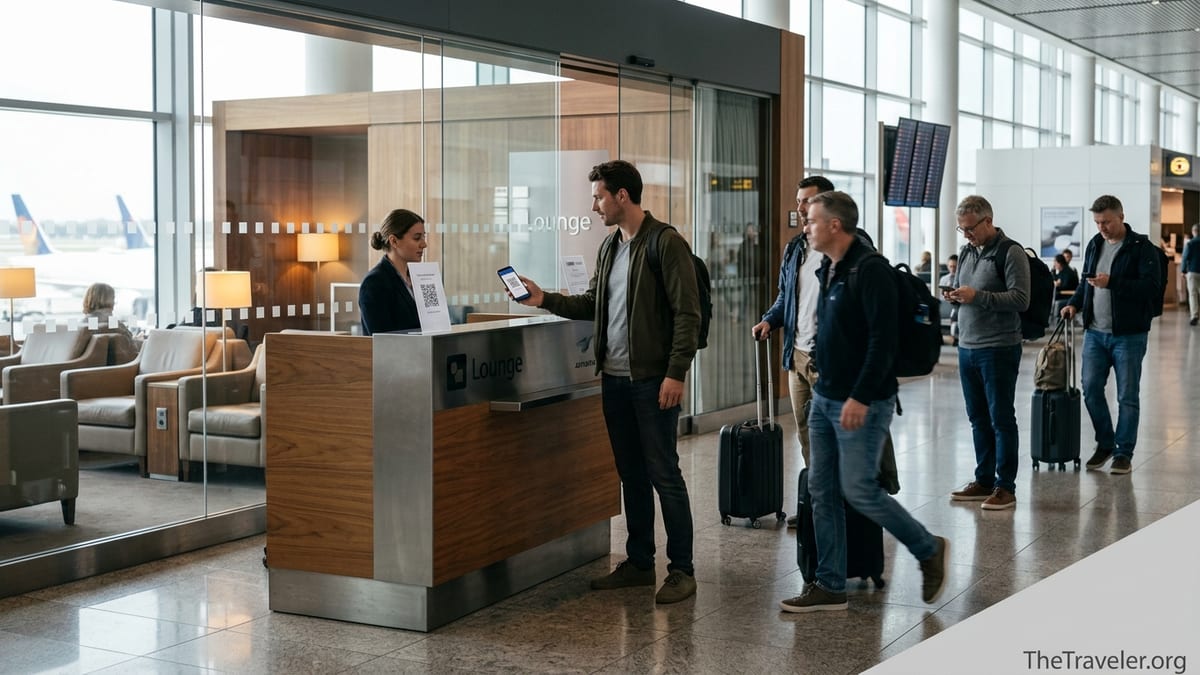
What Exactly Is DragonPass and Who Uses It?
DragonPass is a global airport lounge and travel benefits program that sells memberships directly and also powers lounge access bundled with banks, fintechs and some travel products. The company promotes access to more than 1,400 airport lounges worldwide, along with extras like airport dining discounts, spa services and even some railway lounge access in markets such as China. In practical terms, if you have an "airport lounge" perk on a card from an Asia-Pacific bank like HSBC Premier or DBS, there is a good chance DragonPass sits behind it, even if you rarely hear the brand name at the checkout desk.
Unlike airline lounges that are tied to a specific carrier or alliance, DragonPass works regardless of airline or cabin class. A traveler on an economy ticket from London Heathrow to New York, for example, can use a DragonPass membership to access independent lounges like the Plaza Premium or No1 lounges listed in the DragonPass directory for Heathrow, subject to capacity and visit rules. The core idea mirrors Priority Pass: pay for a membership, then access a network of third-party lounges and some airline partner lounges around the world.
DragonPass is also increasingly embedded in digital finance apps. Revolut, for instance, has offered lounge access via DragonPass in several markets, selling one-off digital passes or bundling limited free visits into higher-tier plans like Ultra or Titan. In Canada, brokerage and banking platforms such as Wealthsimple have provided DragonPass-based lounge passes as a loyalty reward. These partnerships show that major financial institutions trust DragonPass enough to build it into their customer offerings, which is a strong indicator that the program is a legitimate player in the lounge space.
From a legal and operational standpoint, DragonPass is not a fly-by-night operation. It has long-standing contracts with large lounge operators such as Plaza Premium Group and appears in official documentation from banks and fintechs that treat it as a regulated third-party provider. That background makes it very different from the occasional scammy "lounge voucher" schemes that circulate online and should reassure travelers that DragonPass is a real, structured network rather than a loose collection of ad hoc deals.
How DragonPass Membership and Pricing Actually Work
Understanding whether DragonPass is right for you starts with how you get it and what each visit really costs. The company sells its own membership tiers, typically with a joining fee plus a set number of included or pay-per-use visits, and it also powers co-branded products that look quite different on the surface. For example, a bank in Singapore might give its premium cardholders a complimentary DragonPass digital membership that includes a certain number of free lounge visits per year, after which additional visits are billed at a fixed rate per person.
A common pattern is that bundled memberships treat lounge visits as pay-per-use at around 25 to 35 US dollars per visit, occasionally a little more at higher-end locations. HSBC documents for some Jade and Premier accounts, for instance, reference per-visit charges of about 25 US dollars when cardholders exceed their allocated complimentary visits or are on a pay-as-you-go model. That puts DragonPass roughly in the same ballpark as buying a walk-up lounge pass directly from an operator such as Plaza Premium, but often with the convenience of a single app and a standardised digital QR code.
Revolut’s implementation illustrates how this looks in practice for many Western travelers. In markets where Revolut still uses DragonPass, Premium and Metal users can purchase lounge passes in-app for a fixed price per person, while some higher tiers like Titan include a limited allowance of free visits per month. The app shows the price for each lounge visit at the time of purchase and generates a QR code that you present at the lounge door along with your boarding pass. This model feels very similar to buying a digital ticket for a train: your bank or app acts as the storefront, but DragonPass is the underlying provider.
One nuance that often trips people up is that different DragonPass-linked products do not all unlock the same benefits. A direct DragonPass membership might include access to airport restaurants where you get a dining credit instead of a lounge entry, or even gym access and Chinese railway lounges. A Revolut-branded DragonPass pass, on the other hand, can be restricted purely to airport lounges listed within Revolut’s interface, even if the DragonPass website shows a longer list of venues in that airport or city. As a traveler, you need to think of DragonPass less as a single monolithic product and more as a platform that other brands customize.
Where DragonPass Shines: Coverage and Real-World Examples
On paper, DragonPass claims more than 1,400 lounges worldwide, and independent lounge directories that track multiple programs show it represented at hundreds of airports. At London Heathrow, for instance, DragonPass members can use several Plaza Premium lounges plus other options like No1-branded lounges in multiple terminals, giving good coverage for most departures. In Asia, DragonPass has especially deep roots; travelers report using it in lounges from Guangzhou and Shanghai to Tokyo Narita and Singapore Changi, often in partnership with local banks and travel cards.
In North America, DragonPass coverage is more patchy than that of some rivals but still useful in key hubs. Canadian travelers frequently mention using DragonPass at the National Bank lounge in Montreal, independent lounges in Toronto Pearson and Calgary, and partner lounges in Vancouver. A traveler on a multi-stop trip to Asia, for example, might start at Montreal’s National Bank lounge, connect through Tokyo Narita’s NOA lounge, then continue via Shanghai Pudong’s terminal lounges, all on the same DragonPass-linked benefit obtained through a Canadian financial institution.
There are also solid examples of DragonPass opening doors in locations where more familiar brands fall short. Some European travelers say that certain independent lounges in secondary airports participate in DragonPass but not in Priority Pass or LoungeKey. In Berlin or some regional Spanish and Italian airports, for example, travelers have reported using DragonPass at lounges where signage at the desk allows DragonPass but explicitly lists Priority Pass as not accepted at that time. For frequent flyers who often pass through these specific airports, that difference can make DragonPass the more reliable option despite its lower brand recognition.
Another underappreciated strength is DragonPass’s presence outside pure lounges. The program’s own materials highlight dining offers at airports such as Heathrow, where members can claim discounts or fixed-value vouchers at restaurants like Leon, Giraffe or Jones the Grocer on top of lounge options. In China, DragonPass is known for giving access to a broad network of railway station lounges, which can meaningfully improve long-distance train journeys. While not every co-branded DragonPass product includes these extras, they demonstrate that the underlying network is more than just a list of classic airport lounges.
Known Pain Points: Denied Entry, Data Gaps and Billing Issues
Even though DragonPass is a legitimate program, it is not without flaws, and travelers should be aware of recurring pain points. One of the most common frustrations is arriving at a lounge that appears on the app or website only to be turned away at the door. This can happen because the lounge is at physical capacity, because a local contract has changed but the digital directory has not yet been updated, or because your particular DragonPass-linked product does not include that venue even though another type of DragonPass membership does.
A related issue is mismatch between what the DragonPass website shows and what a partner app exposes. Revolut users have regularly noted that some lounges or restaurants listed on DragonPass’s own site or in other members’ experiences are absent from the Revolut lounge list, meaning they cannot actually be used with a Revolut-issued pass. Similarly, some card-based DragonPass memberships offered by banks only unlock a narrower subset of lounges than a full direct membership, something that can be confusing when all you see at the door is the same DragonPass logo.
There have also been occasional complaints about billing clarity and so-called "validation traps." In one highly publicised example this year, a traveler reported that a DragonPass-powered visit to a lounge at Istanbul Sabiha Gokcen airport was initially validated as complimentary at the door, only for a 32 US dollar charge to appear weeks later when the back-end system reconciled the visit as a paid entry. After the traveler raised the issue, DragonPass investigated and refunded the amount, but the incident serves as a reminder that you should keep an eye on your statements and understand whether your visits are truly free or simply deferred charges.
Customer review platforms paint a nuanced picture overall. On Trustpilot, DragonPass currently sits around a 4 out of 5 score, indicating a majority of positive experiences mixed with a non-trivial number of complaints about individual lounges, access denials and app usability. Some travelers praise the convenience of using a simple QR code for seamless entry at places like Plaza Premium lounges, while others criticise poor cleanliness or crowded conditions in certain lounges, or note that a handful of high-profile airports such as Istanbul’s IGA lounge complex offer limited or changing access via DragonPass. These mixed reviews do not undermine the program’s legitimacy but do suggest you should treat it as a helpful tool rather than a guaranteed sanctuary every single time.
DragonPass vs Priority Pass and LoungeKey
Most travelers considering DragonPass are really asking how it compares to Priority Pass or LoungeKey, the two other big independent lounge networks. Priority Pass, owned by the Collinson Group, currently advertises access to over 1,800 lounges and experiences in more than 700 airports, making it the largest of the three by lounge count. DragonPass’s claimed 1,400-plus lounges puts it somewhat behind on pure scale, although coverage overlaps heavily at many major hubs where operators like Plaza Premium partner with multiple programs simultaneously.
In practical comparisons, reviewers often find that Priority Pass has an edge in North America and parts of Europe, with a denser network of participating lounges and restaurant credits in large US airports. DragonPass, by contrast, tends to shine more in Asia-Pacific and certain European secondary airports where it has cultivated relationships not always mirrored by its rivals. A Canadian frequent flyer, for example, might use Priority Pass most often in Toronto or New York but rely on DragonPass in Guangzhou, Kuala Lumpur or secondary European cities where Priority Pass options are thin.
LoungeKey, which is closely related to Priority Pass and also operated by the Collinson Group, occupies something of a middle ground. Many premium credit cards from global banks issue LoungeKey-branded access that uses the same or similar lounge network as Priority Pass but ties entry directly to your card instead of a separate membership card or QR code. Some fintechs in Europe have recently shifted from DragonPass to LoungeKey for their higher-tier products, reflecting a constant competitive tug-of-war among providers rather than any sudden collapse in DragonPass’s legitimacy.
For a traveler deciding which ecosystem to lean into, the choice is intensely route-dependent. If you mostly fly between large US hubs like Atlanta, Dallas, Denver and Los Angeles, a Priority Pass or LoungeKey-linked product might give you more options, especially at airports where independent lounges are scarce. If your patterns skew toward Asia, the Middle East, or transiting through major European hubs like Heathrow where DragonPass has strong Plaza Premium coverage, then a DragonPass-linked card can be just as useful, sometimes even more so in specific terminals or time slots.
How to Use DragonPass Wisely on Your Trips
Getting consistent value from DragonPass is less about whether the program is legitimate and more about how you use it. The first step is always to check the list of lounges in the app or partner interface for your exact airport and terminal, and to verify that your specific membership type is recognised there. If you obtained DragonPass through a bank or app, rely on their embedded list, not the generic DragonPass website, to avoid situations where a listed lounge does not accept your particular variant of membership.
Next, be strategic about timing. Many lounges accept DragonPass but reserve the right to limit admission during peak periods, which tend to be early mornings and evenings at large hubs. If you are transiting somewhere like London Heathrow or Dubai and have a long layover, aim to arrive at the lounge shortly after it opens for the day or during mid-afternoon lulls. Travelers who try to walk into a DragonPass-participating lounge at breakfast rush time in popular terminals are far more likely to be turned away, regardless of how legitimate their pass might be.
Because DragonPass often sells access on a pay-per-visit basis around 25 to 35 US dollars, you should compare that to your realistic spend in the terminal. In a high-cost airport like Zurich or Heathrow, a simple sit-down meal and a drink can easily run 30 to 40 US dollars, whereas a lounge visit may give you buffet food, drinks, Wi-Fi and a quieter environment for a similar price. In a lower-cost airport in Southeast Asia, however, you might find plentiful restaurant options at a fraction of that price, making a paid DragonPass visit less compelling unless you value showers, workspaces or guaranteed seating.
Finally, consider DragonPass as one tool in a broader access toolkit. If you sometimes fly business class or hold mid- to high-tier elite status with an airline alliance, you may already have free lounge access on many routes. In those cases, DragonPass becomes a backup option at airports where your airline does not operate its own lounge, or on itineraries with low-cost carriers that do not come with any lounge privileges. Thinking about the program this way helps keep your expectations realistic and avoids disappointment when a particular lounge is unavailable.
Is DragonPass Safe and Legit for Payments and Data?
Security and privacy are key concerns anytime you hand over payment details or personal data to a travel provider. DragonPass works with major banks, card networks and fintech companies that subject partners to standard due diligence and data protection obligations. When you buy a lounge pass through a Revolut app, for example, your payment is processed under Revolut’s regulated infrastructure, with DragonPass effectively acting as the service provider that recognises your pass at the lounge door. Bank-issued DragonPass memberships are similarly governed by the bank’s own compliance and data privacy rules.
From a traveler’s point of view, the DragonPass app or digital membership card functions much like other travel wallets. You create an account, store a payment method if you are paying per visit, and present a QR code when you want to enter a lounge. The main safeguards you control are the usual ones: using strong passwords, enabling multifactor authentication where available, and keeping an eye on transaction histories in your bank or app after lounge visits. Incidents like the Istanbul validation case, where a charge appeared after an initially "free" validation, are relatively rare but demonstrate why it is wise to periodically review statements.
When you scan your DragonPass QR code at a lounge, the operator typically verifies your name against your boarding pass or passport and records the time and date of entry. This is standard practice across all major lounge networks and exists both for billing purposes and for compliance with local regulations, such as knowing who is inside a restricted area at any given moment. There is no evidence that DragonPass handles this data in a materially less secure way than rivals; if anything, its tight integration with bank apps suggests a baseline of security that meets financial-industry expectations.
As always, caution is warranted around unofficial channels. Travelers should avoid purchasing second-hand or "transferred" DragonPass QR codes from online marketplaces, since passes are typically tied to a specific identity and may lead to denial of entry or even fraud investigations if misused. Obtaining DragonPass directly from the company or from a reputable financial partner is the best way to ensure your access is both legitimate and backed by support if something goes wrong.
The Takeaway
DragonPass is unquestionably a legitimate airport lounge access program. It supports more than a thousand lounges worldwide, powers benefits for major banks and fintechs, and maintains formal partnerships with large operators like Plaza Premium Group. For many travelers, especially in Asia-Pacific and certain European and Canadian airports, a DragonPass-linked membership can transform long layovers with comfortable seating, food, showers and quieter workspaces.
At the same time, DragonPass is not a magic key that opens every lounge door. Coverage is uneven in some regions, product variants differ widely between banks and apps, and occasional issues such as capacity denials or confusing post-visit charges can sour the experience if you are unprepared. Compared with Priority Pass and LoungeKey, DragonPass trades a slightly smaller global footprint for specific strengths in certain markets and an increasingly broad selection of dining and non-airport perks.
If you already receive DragonPass as a free perk with a card or account you value, it is usually worth setting up the app and treating it as a useful extra. If you are considering paying out of pocket for a lounge membership, you should map your typical routes, compare DragonPass’s lounge list to competitors at those specific airports, and factor in how often you realistically travel. Used thoughtfully, DragonPass can be a cost-effective and convenient way to access airport lounges, but like any travel tool, it delivers the best results when your expectations are aligned with what the network actually offers.
FAQ
Q1. Is DragonPass a scam or a real lounge access program?
DragonPass is a real, established lounge network used by major banks, fintechs and lounge operators. While individual experiences vary, the program itself is legitimate and widely recognised in the travel industry.
Q2. How many lounges does DragonPass offer access to?
DragonPass markets access to more than 1,400 airport lounges worldwide, though the exact number available to you depends on your specific membership type and any restrictions set by your bank or app provider.
Q3. Is DragonPass better than Priority Pass?
Neither program is universally better; it depends on where you fly. Priority Pass generally has a larger global footprint, while DragonPass can be stronger in parts of Asia and in certain European and Canadian airports. Checking lounge coverage on your own routes is the best way to decide.
Q4. How much does a DragonPass lounge visit usually cost?
For pay-per-use access, a DragonPass lounge visit typically runs around 25 to 35 US dollars per person, although prices can vary by lounge and by the product you use, such as a bank-issued membership or a fintech app.
Q5. Why was I denied entry to a lounge even though I have DragonPass?
Denials usually happen because the lounge is full, your specific DragonPass product does not include that lounge, or because the contract between the lounge and DragonPass has changed and the digital list is not fully updated. Always check your app’s list for that airport and terminal before traveling.
Q6. Can I use DragonPass if I am flying economy or with a low-cost airline?
Yes. DragonPass is independent of airline or cabin class, so you can typically access participating lounges even when flying economy or on low-cost carriers, provided you have a valid membership or paid pass and the lounge is not at capacity.
Q7. Is it safe to store my payment details in the DragonPass app?
DragonPass partners with regulated banks and fintechs that apply standard security and data protection practices. While no system is risk-free, using strong passwords, enabling security features and monitoring your statements helps keep your account safe.
Q8. Does my DragonPass membership include restaurant or railway lounge benefits?
Some direct DragonPass memberships include extras such as airport dining credits and access to railway station lounges, especially in China. However, many co-branded products from banks or apps limit you to airport lounges only, so you should confirm what your specific membership covers.
Q9. Can I bring a guest into a lounge with DragonPass?
Guest policies vary by lounge and by membership. Many DragonPass products allow you to bring guests by using additional visits or paying extra per guest, but some bank-issued or fintech plans restrict free access to the primary member only.
Q10. How can I maximise the value of DragonPass on my trips?
To get the most from DragonPass, check coverage for your specific airports and terminals in advance, aim to visit lounges outside peak rush times, compare the visit cost with what you would otherwise spend in the terminal, and treat the program as a flexible backup alongside any airline status or business-class access you already have.