


Two Tennessee towns just six miles apart cause more vacation debate than almost anywhere in the Smokies. Gatlinburg wraps around the edge of Great Smoky Mountains National Park, promising mountain views and a walkable village feel. Pigeon Forge stretches along a busy parkway of theme parks, dinner shows and neon-lit attractions. Both are hugely popular, both have loyal fans, and both can be the wrong choice if you pick based on hype instead of how you actually like to travel. Here is a grounded, real-world look at whether Gatlinburg is worth visiting and when it makes more sense to stay in Pigeon Forge instead.
Get the latest updates straight to your inbox!
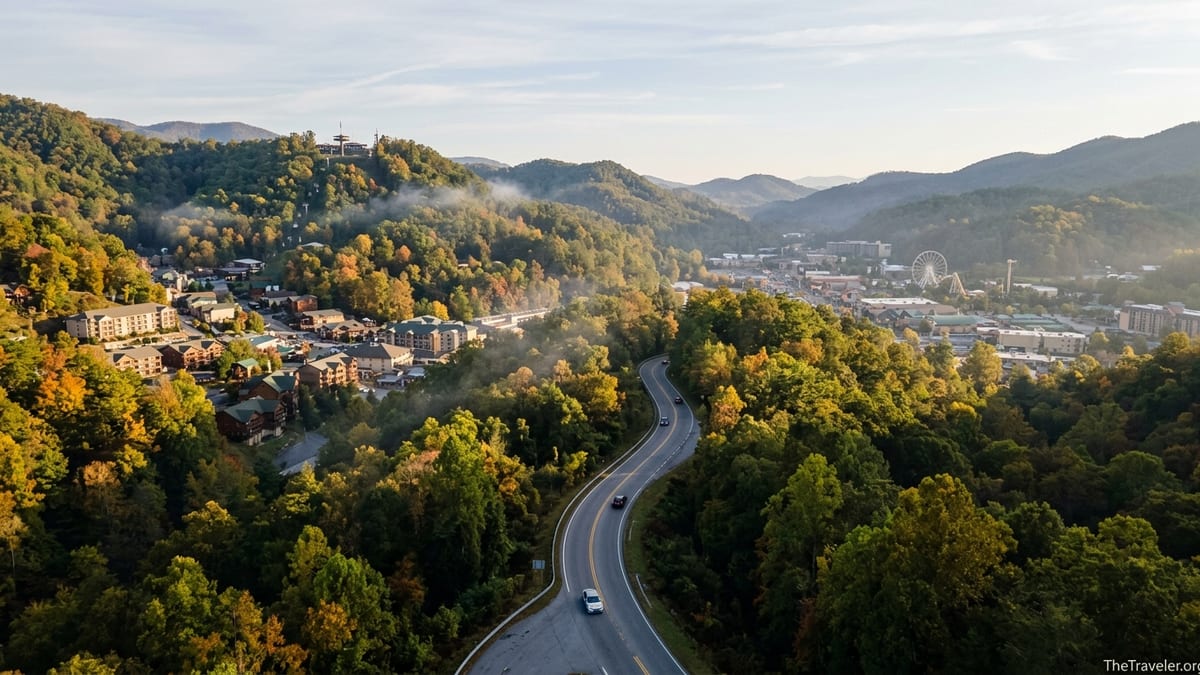
Gatlinburg vs Pigeon Forge at a Glance
Gatlinburg and Pigeon Forge sit on the same highway leading into Great Smoky Mountains National Park, but they feel very different the moment you arrive. Gatlinburg is compact and hemmed in by steep, forested hillsides. The main strip is walkable end to end in roughly 15 to 20 minutes, with hotels, small attractions and restaurants pressed close together along the river. Pigeon Forge, by contrast, is a long, mostly flat parkway lined with big-box attractions, outlet malls and large parking lots. You will almost always drive between things in Pigeon Forge, even if they are technically “close.”
Gatlinburg’s biggest practical advantage is its front-door access to the national park. Newfound Gap Road starts just beyond town, and trailheads for popular hikes like Chimney Tops, Alum Cave and Laurel Falls are a short drive from most downtown hotels. In Pigeon Forge you are usually looking at a 15 to 25 minute drive, sometimes longer in peak traffic, before you even reach the park entrance sign. On the other hand, Pigeon Forge puts you adjacent to Dollywood, Tanger Outlets and major dinner shows without needing to thread your way through Gatlinburg’s often congested one-way streets.
In terms of pricing, travelers regularly find that midrange hotel rooms in Pigeon Forge can run noticeably cheaper than similar rooms in Gatlinburg, especially in peak leaf season or around Christmas. It is common to see chain hotels along the Pigeon Forge parkway advertising weekday rates under about 140 dollars outside of holidays, while many Gatlinburg properties in walking distance of the strip charge higher nightly rates for similar dates. That price gap is not uniform, and you will find deals in both towns, but budget travelers and groups often report they can stretch their money further on the Pigeon Forge side.
Crowds and atmosphere play a role too. Gatlinburg sidewalks can feel shoulder to shoulder on a Saturday in July or during October color season, with long lines for attractions like the SkyBridge or Anakeesta. Pigeon Forge’s traffic moves slowly in high season, but the town’s wider footprint means you do not feel quite as hemmed in on foot. Some visitors describe Gatlinburg as a charming, almost alpine village when it is quiet, and as an overwhelming strip of fudge shops and T-shirt stores when it is not. Pigeon Forge rarely feels quaint, but it can be easier to retreat to a quiet cabin just off the main drag.
Who Should Stay in Gatlinburg
Stay in Gatlinburg if you want the national park to be your living room. If your ideal day starts with coffee on a balcony facing forested ridges and continues with a half-day hike, Gatlinburg makes logistics simple. You can be parked at the Sugarlands Visitor Center, picking up a trail map or talking to a ranger, in under ten minutes from most downtown hotels. Serious hikers often choose a cabin in the hills above town or in areas like Chalet Village so they can be on the road toward trailheads at dawn without fighting as much traffic.
Gatlinburg also suits travelers who prefer to park once and stay on foot. A couple staying at a central hotel such as one along River Road can walk to dinner at a steakhouse, wander into an arcade or mini golf course, ride the aerial tramway to Ober Mountain, and finish the night at a moonshine tasting room without touching the car. Parents with older teens sometimes appreciate being able to let them explore a contained strip of shops and candy stores while the adults linger over a drink nearby.
Atmosphere matters, and Gatlinburg generally offers more of the traditional mountain-town feel. Back streets hold small craft galleries and pancake houses, and it is easy to step from busy Parkway corners onto the quieter riverwalk path. Attractions lean toward mountain views and mild thrills: Gatlinburg SkyPark with its long suspension bridge, Anakeesta’s treetop village, and Ober Mountain’s scenic chairlifts and alpine coaster. These attractions are not cheap, but they are tightly clustered, so you can combine several into one day without driving all over the valley.
Gatlinburg is also a logical base for romantic trips and short getaways. A couple celebrating an anniversary may book a one-bedroom cabin with a hot tub in the hills above town, have dinner at a white-tablecloth restaurant such as a mountain lodge steakhouse, and spend the next morning driving Newfound Gap Road or Cades Cove. For people who only have two or three nights, the ability to step quickly between lodging, food, and the park entrance is a real advantage.
When Pigeon Forge Makes More Sense
Pigeon Forge shines for travelers whose priority is attractions over trails. Families come for Dollywood and Dollywood’s Splash Country, along with indoor experiences like the Titanic Museum Attraction, WonderWorks, Alcatraz East Crime Museum and big production dinner shows. You can easily spend three or four days without once entering the national park. If your kids have been begging for Dollywood or your group loves go-karts, mini golf, escape rooms and mountain coasters, staying in Pigeon Forge shortens your transit time and lets you pop back to your hotel or cabin for breaks.
The town also works well for larger groups and budget-conscious visitors. Pigeon Forge has a deep inventory of cabins and condos in developments like Wears Valley and Waldens Creek, where four-bedroom homes with game rooms and hot tubs are common. Splitting a cabin like this between two or three families can bring individual nightly costs down into a comfortable midrange, even in summer. Many of these cabins sit on quiet ridges a 10 to 20 minute drive from the parkway, so you get a more secluded feel while still being close to attractions and big grocery stores.
Another reason some travelers favor Pigeon Forge is practical convenience. The town has more chain restaurants, larger supermarkets and easier parking, which helps for longer stays and for visitors who do not enjoy threading narrow mountain roads. It is common to see visitors park right in front of major attractions such as The Island in Pigeon Forge or a dinner theater, walk in for a show, and then head directly back to their car. For travelers with mobility concerns or small kids still in strollers, that approach can feel far less stressful than navigating Gatlinburg’s crowded sidewalks and tighter parking garages.
Traffic can be heavy in both towns, but some regular visitors feel Pigeon Forge is a bit easier to bypass thanks to back roads and newer connectors leading toward Dollywood and Sevierville. If you are planning to use the area as a base to explore a wider region, including day trips to Knoxville, Douglas Lake or the Foothills Parkway, staying in Pigeon Forge or even slightly north toward Sevierville can cut down your drive times compared with fighting your way in and out of Gatlinburg each day.
Costs, Crowds and Practical Logistics
When comparing Gatlinburg and Pigeon Forge, cost is not just about nightly hotel rates. It is also about what you will spend once you are there. In Gatlinburg, many of the headline attractions charge per person, and a family of four can easily spend a significant amount in a single afternoon if they ride the chairlift at one mountaintop park, walk the SkyBridge, and visit an aquarium. On the other hand, if you are mainly using Gatlinburg as a staging point for hikes and scenic drives, your biggest expenses once you arrive may be food and the modest daily parking fee the national park now charges at most trailheads.
Pigeon Forge tilts more heavily toward paid entertainment, from dinner shows that often run upwards of several dozen dollars per adult to all-day theme park tickets. A single day at Dollywood plus a dinner show that night can easily become the priciest day of an entire Smokies trip. However, Pigeon Forge also has an edge on value for some visitors because it offers more flexible lodging options. Midrange hotels and motels along the parkway frequently advertise competitive rates, and discount seekers watch for package deals that bundle Dollywood tickets with hotel nights or cabin stays.
Crowding feels different in the two towns. In Gatlinburg, congestion often shows up on sidewalks and at crosswalks, with clusters of people waiting for the cross signal while traffic backs up behind them. It can take a surprisingly long time to drive a short distance through the center of town during Christmas lights season or fall weekends. In Pigeon Forge, the parkway itself can resemble a slow-moving parking lot on busy evenings, but the wide shoulders and numerous entrances mean it is usually easier to pull in and out of businesses once you are close.
Parking is another point of contrast. Gatlinburg has several paid garages and small private lots, and they can fill early on Saturdays and during special events. Visitors who stay in town sometimes simply leave their car parked at the hotel for days. In Pigeon Forge, most attractions and restaurants offer free on-site parking, which simplifies things for day trippers but encourages more driving overall. If you dislike paying for parking and constantly circling for a spot, Pigeon Forge’s layout may feel kinder.
Access to Nature vs Nonstop Entertainment
If proximity to Great Smoky Mountains National Park is your main priority, Gatlinburg is hard to beat. The primary Tennessee entrance, near Sugarlands Visitor Center, lies just outside town, and scenic drives like Newfound Gap Road and the Roaring Fork Motor Nature Trail start very close to Gatlinburg’s hotels and cabins. Visitors who want to catch sunrise from an overlook such as Newfound Gap or Clingmans Dome often choose to stay on the Gatlinburg side because it keeps their predawn drive shorter and more manageable.
Visitors who split their time between the park and town often describe an easy rhythm when based in Gatlinburg: a morning hike, a return to town for a late lunch and shower, and then a casual stroll out for mini golf or a rooftop drink. You can even spend a rainy afternoon exploring galleries and craft shops in the nearby Arts and Crafts Community loop, which begins just a short drive from downtown. That close interweaving of nature and village streets is Gatlinburg’s core appeal.
Pigeon Forge, by comparison, functions as an entertainment corridor that happens to be set against a mountain backdrop. You are rarely more than a few minutes’ drive from a go-kart track, an escape room, a zip line course or a dinner show. The Island in Pigeon Forge, with its Ferris wheel, dancing fountains and cluster of restaurants and rides, works as an all-in-one evening out for families. Theme park fans can book cabins only a few minutes from Dollywood’s gates, making it easy to return for a midday break or to catch evening shows without a long drive back.
It is possible to enjoy plenty of nature from a Pigeon Forge base, especially if you are willing to drive a bit. Wears Valley Road leads to quieter corners of the national park and to scenic routes like the Foothills Parkway. Some cabin developments west of town sit on ridges with major views, offering a sense of being “in the mountains” even if your daily outings are mostly to arcades and museums. However, if you want frequent, spontaneous park visits, that short distance from Gatlinburg to the entrance becomes more meaningful than the mere six miles between the towns suggests.
Real-World Itineraries: How a Trip Plays Out
To see the difference more clearly, imagine two travelers visiting in October for a long weekend. The first, a couple in their thirties who love hiking, books a small hotel room off Gatlinburg’s main parkway. Friday afternoon they arrive, park once and walk to dinner at a local steakhouse. Saturday morning they are at the Sugarlands Visitor Center just after it opens, pick up advice from a ranger, then drive a short distance to a popular trailhead. After their hike they return to the hotel for a nap, then stroll in the evening to Gatlinburg SkyPark to see the autumn colors from above and wander through town for dessert.
The second traveler is a family of five staying in a Pigeon Forge cabin near Dollywood. They arrive in the afternoon, stop at a large grocery store in Sevierville to stock up, then drive straight to their cabin, where the kids head for the game room and hot tub. Saturday is a full Dollywood day. They drive ten minutes to the park, stay until the youngest needs a break, pop back to the cabin for a couple of hours, and then return for fireworks. On Sunday they sleep in, then head to a late brunch and an afternoon show on the parkway before driving home. Both groups have very different vacations despite staying only a few miles apart.
There are also hybrid itineraries, and they are increasingly popular. A group of friends might spend three nights in a Pigeon Forge cabin for cheaper lodging and easy access to Dollywood, then shift to a downtown Gatlinburg hotel for two nights focused on hiking and exploring the park. Another common pattern involves basing in one town but spending at least one full day in the other. For example, a Gatlinburg-based family may drive down to Pigeon Forge for an afternoon at The Island and an evening dinner show, then return to their quieter hilltop cabin afterward.
Online forums and recent traveler discussions show that many repeat visitors stop worrying about choosing the “better” town and start thinking in terms of trip theme. If their kids are in a big roller-coaster phase, they book Pigeon Forge. If they are traveling with older relatives who mostly want scenery, they book Gatlinburg. Both towns continue to evolve, adding new attractions and accommodations, so it is worth checking what has opened recently when you are planning, rather than assuming they look exactly like they did on a past visit.
The Takeaway
So is Gatlinburg worth visiting, or should you stay in Pigeon Forge instead? For most travelers, the answer is not either-or but which-first. Gatlinburg is absolutely worth visiting if you value easy access to Great Smoky Mountains National Park, enjoy wandering a compact mountain village on foot, and want mountain views to be the star of your trip. Its higher lodging prices in central locations often reflect that prime position at the park gate and its dense, walkable layout.
Pigeon Forge, in turn, is worth choosing as a home base if you are building a vacation around Dollywood, shows and family attractions, or if you need more space and value from your lodging. Groups and families who prefer driving between large, self-contained venues often find Pigeon Forge more relaxed, even if it looks more commercial at first glance. Its mixture of cabins, hotels, outlets and big-box conveniences makes it especially practical for weeklong stays and for travelers who do not want to deal with the tight streets and limited parking of Gatlinburg.
If you have never been to the Smokies before, a simple strategy works well: pick the town that best matches your main goal, then plan at least one full day in the other. Stay in Gatlinburg if the park and mountain scenery are your priority, but set aside a day for Dollywood or The Island. Stay in Pigeon Forge if you are chasing coasters and shows, but commit to at least one early-morning drive into the park before the crowds arrive. Either way, with a bit of planning, you can enjoy the best of both worlds instead of feeling like you chose the “wrong” side of the valley.
FAQ
Q1. Is Gatlinburg or Pigeon Forge better for a first-time Smokies visit?
For a first trip, choose based on your focus. If you mainly want to explore Great Smoky Mountains National Park, Gatlinburg’s location at the park entrance is more convenient. If your priority is Dollywood and family attractions, Pigeon Forge usually works better and can be more budget friendly.
Q2. Which town is cheaper to stay in, Gatlinburg or Pigeon Forge?
In general, Pigeon Forge offers slightly lower average hotel rates and more large cabins that split well between families. Gatlinburg rooms in walking distance of downtown often cost more, especially in peak seasons, because of the prime location near the park.
Q3. Can I stay in one town and easily visit the other?
Yes. The towns are only about six miles apart along the same parkway. In normal traffic it might take 15 to 25 minutes to drive between them, so many travelers choose a base in one town and plan day trips to the other for specific attractions or hikes.
Q4. Is Gatlinburg really walkable compared with Pigeon Forge?
Gatlinburg’s core strip is compact, with many hotels, restaurants and attractions lined up along a short section of road, so you can park once and walk most places. Pigeon Forge is spread out in a long corridor, so you almost always need to drive between attractions, even though sidewalks exist in some areas.
Q5. Where should I stay if I want to visit Dollywood?
If Dollywood is a main reason for your trip, staying in Pigeon Forge or just outside it is most convenient. You will be a short drive from the park gates and can return to your hotel or cabin easily for breaks, especially in summer when midday heat and crowds peak.
Q6. Which town is better for hiking and scenic drives?
Gatlinburg is better positioned for hiking and scenic drives because the main Tennessee entrance to Great Smoky Mountains National Park is right next to town. Popular routes and trailheads lie closer to Gatlinburg, which shortens predawn or early morning drives.
Q7. Is Pigeon Forge too commercial if I want a mountain feel?
Pigeon Forge is more commercial along the main parkway, but many cabins sit on surrounding ridges and in valleys that feel peaceful and scenic. If you choose lodging a bit off the strip, you can enjoy mountain views and quiet mornings while still having quick access to attractions and restaurants.
Q8. Which town handles crowds better during peak seasons?
Both towns get very busy in summer, fall color season and around Christmas. Gatlinburg’s sidewalks and narrow streets can feel more congested on foot, while Pigeon Forge often sees heavier slow-moving traffic on the parkway. Picking lodging that allows you to walk in Gatlinburg or use back roads in Pigeon Forge helps during peak dates.
Q9. Is it worth splitting a stay between Gatlinburg and Pigeon Forge?
For longer trips, many travelers like splitting time. A few nights in a Pigeon Forge cabin work well for Dollywood and attractions, followed by a couple of nights in Gatlinburg focused on hiking and park scenery. Splitting lets you sample both atmospheres without long daily drives.
Q10. If I can only pick one, which town should I choose?
If you must choose, let your main trip theme decide. Pick Gatlinburg for easy park access, a walkable village feel and mountain views, and pick Pigeon Forge for Dollywood, value lodging, big shows and an entertainment-focused vacation. Both can deliver a great Smokies experience when matched to the right traveler.