


Gatlinburg, Tennessee is the gateway to the most visited national park in the United States and a classic Southern mountain getaway. It is also one of the easiest places for first-time visitors to blow their budget, lose time in traffic, and miss the very scenery they came to see. With a bit of advance planning and realistic expectations, you can avoid the pitfalls that frustrate many newcomers and enjoy both the town and the Great Smoky Mountains just beyond it.
Get the latest updates straight to your inbox!
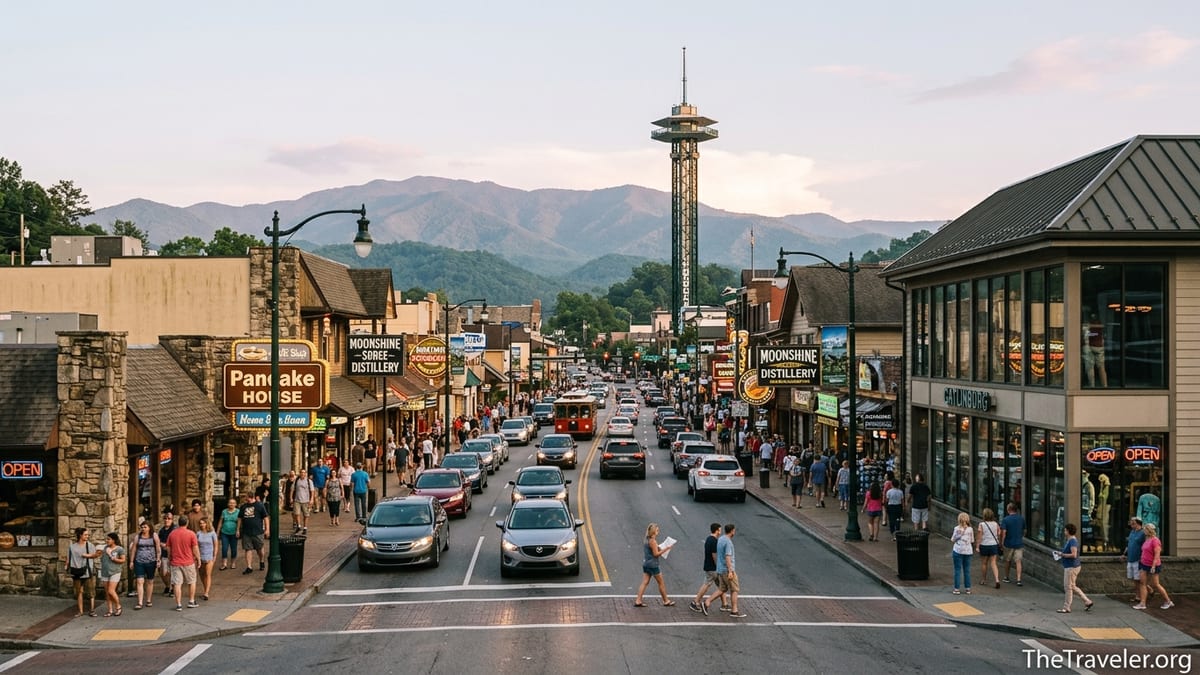
Underestimating Traffic, Crowds and Drive Times
Many first-time visitors picture a sleepy mountain town and are shocked to find Gatlinburg’s Parkway packed shoulder to shoulder on peak weekends. On busy Saturdays in July or during October leaf season, it can take 30 to 45 minutes to drive the short stretch from the Spur into downtown. Drivers unfamiliar with the narrow, curving mountain roads often crawl along, and a single fender bender can snarl movement for an hour or more. Visitors who plan tight dinner reservations or timed tickets right after a scenic drive frequently end up stressed or late.
The same surprise hits inside Great Smoky Mountains National Park. The 11-mile Cades Cove Loop, for example, looks like a quick detour on the map. In reality, during peak season and on Wednesdays and Saturdays when it is vehicle-free part of the day, it can take more than three hours to complete as cars stop for wildlife sightings and photo opportunities. Newcomers who start the loop an hour before sunset often find themselves navigating in the dark, tired and hungry, with a long drive back to Gatlinburg still ahead.
The solution is to think of distance in Gatlinburg in minutes, not miles. If you are staying in a cabin on a ridge road above town, build in at least 20 to 30 minutes just to reach the Parkway, then more time to find parking and walk. Inside the park, treat popular drives like Newfound Gap Road and Cades Cove as half-day excursions rather than quick side trips. Leave generous buffers around any scheduled activities so the inevitable slowdowns do not derail your plans.
Misunderstanding Parking, Trolleys and the New Park Tag Rules
Parking is one of the most common pain points for Gatlinburg newcomers. Many arrive expecting free hotel-style parking everywhere and are surprised to find surface lots charging flat daily fees and multi-level garages that fill quickly on busy days. Close-in private lots along the Parkway often charge a fixed rate per day that can feel steep if you only plan to stay for a couple of hours, while the two city-operated garages near Ripley’s Aquarium and at the Parkway/McMahan area usually offer more predictable pricing but may require a longer walk.
Another surprise is that you cannot simply pull off anywhere in Great Smoky Mountains National Park and park for free all day. While there is still no entrance fee to the park, every vehicle that stops for more than about 15 minutes in designated parking areas now needs a Park It Forward parking tag. Day tags are relatively inexpensive and can be purchased at visitor centers and machines at major lots, but first-timers who ignore the signs sometimes return from a hike to find a citation on their windshield. This is not a souvenir anyone hopes to bring home.
At the same time, many visitors ignore one of Gatlinburg’s best bargains: the trolley system. The color-coded trolleys serve much of the Parkway and connect Gatlinburg with nearby Pigeon Forge at very low fares, and in some seasons certain routes are even free. Yet newcomers often circle for 30 minutes hunting a premium parking spot within a block of their restaurant instead of parking once in a garage or on River Road, then hopping a trolley. If you are staying at a hotel or condo on the line, you can often leave your vehicle parked for the day and let someone else deal with the traffic.
To avoid parking headaches, decide early whether you will be a “park once and walk or ride” visitor or someone who moves the car frequently. If you choose the first approach, favor the municipal garages or a central private lot and budget the flat fee into your daily costs. If you choose the second, familiarize yourself with side streets such as River Road, where limited free or lower-cost spots sometimes open early in the morning, and keep small bills or a credit card handy for unattended pay lots.
Thinking Gatlinburg Is Just the Parkway Attractions
The bright lights, moonshine tasting rooms and souvenir shops along Gatlinburg’s main drag can be fun, but many first-time visitors never step beyond that strip. They head home saying Gatlinburg is “just a tourist trap” without realizing that world-class hiking trails, historic homesteads and quiet riverfront paths begin only minutes away. If your entire itinerary is mini golf, a themed dinner show, a chairlift ride and a few chain restaurants, you may spend a lot and still feel oddly underwhelmed.
The classic mistake is booking three or four big-ticket attractions in a single day. Families might schedule timed tickets for a mountaintop adventure park in the morning, a guided zipline tour in the afternoon and the aquarium in the evening, with no buffer for traffic or weather. They race from line to line, spend heavily on photos and snacks at each stop, and collapse back at their hotel having barely noticed the actual mountains. The trip becomes a blur of receipts instead of an introduction to the Smokies.
A better strategy is to choose one or two marquee attractions that genuinely appeal to your group and then pair them with low-cost or free experiences. You might spend a morning exploring Ripley’s Aquarium of the Smokies, for instance, then walk the Riverwalk Greenway in the afternoon and drive ten minutes to the Sugarlands Visitor Center for an easy waterfall hike. Or you could ride a chairlift for a panoramic view one evening and devote the next day to scenic overlooks inside the national park. By rebalancing your schedule away from wall-to-wall commercial stops, you give Gatlinburg a chance to be more than a crowded arcade.
Blowing the Budget on Food and Attractions
Another common first-timer mistake is underestimating how quickly costs add up in a resort town. Many attractions use tiered pricing: general admission, plus paid add-ons once you are inside. Admission to a mountaintop park may seem reasonable at first glance, but souvenir photos, premium activities such as mountain coasters, and food and drinks on site can easily double the final bill for a family of four. If you visit several such attractions in a single weekend, your credit card will feel it.
Dining follows a similar pattern. The main Parkway is lined with casual restaurants that often serve large portions at prices higher than what you might pay at home. Breakfast at a popular pancake house, lunch at a barbecue spot and a sit-down dinner with drinks can easily push a single day’s food costs into territory you did not anticipate. It is common to see first-time visitors resorting to fast food by the final day of their trip simply because they overspent earlier without realizing it.
To keep a handle on expenses, start with a realistic daily budget for attractions and dining and track what you spend. Consider mixing well-known restaurants with simpler meals. Many cabins and condos have full kitchens; picking up groceries at a supermarket in nearby Sevierville or Pigeon Forge and preparing at least one meal per day can save a significant amount. For attractions, look closely at what is included in base admission and what costs extra once you arrive. If a mountaintop park charges separately for features like zip lines or rail coasters, decide in advance which activities your group will do rather than making impulse decisions in the moment.
It can also help to anchor each day with at least one free or low-cost experience. Scenic drives, short hikes, picnics along the Little Pigeon River and ranger programs at park visitor centers provide hours of enjoyment at little to no cost. When your itinerary leans more on the natural riches of the Smokies and less on constant swiping of your credit card, Gatlinburg becomes a far more affordable and satisfying destination.
Arriving Unprepared for Hiking and Mountain Weather
Because Gatlinburg’s Parkway feels urban and busy, many newcomers mentally downgrade the wilderness just beyond it. They step onto national park trails wearing fashion sneakers, carrying a single bottle of water, and discover quickly that steep grades, roots and rocks are not nearly as forgiving as a city sidewalk. It is not unusual to see families turning back halfway to popular destinations like Laurel Falls or Alum Cave because someone’s feet hurt or they did not bring enough water or snacks.
Weather is another surprise. In summer, humidity is high and afternoon thunderstorms can move in quickly. A clear morning often tricks visitors into leaving rain jackets in the car, only to meet a downpour on an exposed ridge. In the shoulder seasons, temperatures at higher elevations can be significantly cooler than in Gatlinburg itself. A day that feels mild in town can turn brisk and windy at Newfound Gap or Clingmans Dome, and underdressed visitors cut hikes short because they are cold.
A modest amount of preparation solves most of these issues. Sturdy walking shoes or light hiking boots, a small backpack for water and snacks, and a compact rain layer for each person are usually sufficient for most popular day hikes. Stop by the Sugarlands Visitor Center just outside Gatlinburg to pick up a free park newspaper, ask a ranger about current trail conditions and get realistic advice on what matches your group’s abilities. Remember that trail distances in the Smokies often feel longer than the raw mileage suggests because of elevation gain and footing.
Finally, always give yourselves more daylight than you think you will need. Trailheads can be 30 to 60 minutes from Gatlinburg by car, and hikes tend to take longer for families with children or anyone unaccustomed to hills. Start earlier in the day when possible so that delays do not leave you descending in the dark on unfamiliar paths.
Visiting at the Busiest Times Without a Plan
Gatlinburg is popular nearly year-round, but certain periods are dramatically busier than others. Summer holidays such as Memorial Day and the Fourth of July, long weekends, and the peak of autumn foliage in October draw especially large crowds. First-time visitors who choose those dates simply because school is out or the leaves are changing often arrive without realizing how much demand there will be for parking, restaurant tables and lodging.
The result can be frustration from the moment they pull into town. Hotels and cabins cost more and are booked farther in advance. Wait times for a table at well-known restaurants can stretch past an hour at prime dinner times. Lines for chairlifts, mountain coasters and popular moonshine tasting rooms snake down the sidewalks. The vibe shifts from relaxed mountain charm to busy fairground, and newcomers who expected a quiet escape find themselves jostling through crowds instead.
If you can be flexible with your dates, consider shoulder seasons such as late April, early May, or early December after the Thanksgiving rush but before Christmas week. Weekdays are generally calmer than weekends. If you must travel during a peak period, accept that crowds are part of the experience and plan accordingly. Make dining reservations wherever possible, especially for larger groups, and build your days around early starts. Arriving at trailheads, parking garages and major attractions shortly after they open will give you a few quieter hours before the majority of visitors arrive.
Even on the busiest weekends, Gatlinburg has pockets of calm for those willing to adjust their schedule. A pre-breakfast stroll along the river or an evening drive along less-trafficked park roads can restore a sense of the mountains that drew you there in the first place. The mistake is not the choice of dates itself, but approaching those dates as if you were visiting in a quiet off-season.
Ignoring Local Guidance and Safety Basics
Finally, many first-time visitors overlook one of their best resources: the people who live and work in and around Gatlinburg. Hotel front desk staff, cabin managers, park rangers and even trolley drivers often have up-to-date insight on where traffic is worst, which lesser-known overlooks are worth a stop, and where to find a good meal away from the thickest crowds. Yet newcomers frequently rely solely on glossy brochures or social media highlights and end up following the same well-worn path as everyone else, complete with the same frustrations.
Safety basics can also slip when vacation mode kicks in. It is common to see visitors approaching elk or black bears far too closely for photos, feeding wildlife from car windows, or stopping in the middle of narrow roads to snap pictures. Beyond the obvious risks to both people and animals, these behaviors contribute to the very traffic snarls many people complain about. Similarly, some guests leave trash or food outside cabins and hotel rooms, unintentionally attracting animals to developed areas.
Taking a few minutes each day to check in with a local expert pays off quickly. Ask a ranger which trails are less crowded that day, or where road construction might cause delays. If your server at dinner has a free moment, ask where they would take visiting friends for a scenic drive or a quieter breakfast. Combine that real-time advice with basic outdoor etiquette: keep your distance from wildlife, secure food and trash, and park only in designated areas even if a roadside shoulder looks tempting in the moment.
By treating Gatlinburg and the Smokies with the same respect you would give any major destination, you not only stay safer, you also help preserve the experience for the next wave of first-time visitors who are just as excited as you are to see the mountains.
The Takeaway
Gatlinburg’s popularity is no accident. The town offers easy access to mountain scenery, family-friendly attractions and a walkable downtown full of energy. The flip side is that unprepared first-time visitors can spend too much, wait too long and miss the quieter beauty that makes this corner of Tennessee special. Most of the biggest mistakes, however, come down to mismatched expectations and a lack of planning rather than anything inherently wrong with the destination.
If you approach your first trip with clear-eyed realism about traffic and crowds, a basic understanding of parking and park rules, and a commitment to balance commercial attractions with time in the national park, Gatlinburg becomes a very different place. Build in extra time, budget carefully, pack for real hiking rather than a mall stroll and listen to local advice. Do that, and your first visit to Gatlinburg is far more likely to be the start of a long relationship with the Smokies instead of a one-time lesson in what not to do.
FAQ
Q1. Do I have to pay to enter Great Smoky Mountains National Park from Gatlinburg?
Entrance to Great Smoky Mountains National Park remains free, but if you park for more than a short stop in designated lots you will need a valid parking tag on your vehicle.
Q2. When is the worst time for first-time visitors to come to Gatlinburg?
The busiest and most challenging times are summer holiday weekends and the peak fall foliage weeks in October, when traffic, prices and crowds are all at their highest.
Q3. Is it better to stay in a cabin on the mountain or a hotel in downtown Gatlinburg?
Cabins offer more privacy and space but usually require longer drives on mountain roads, while downtown hotels trade scenery for convenience and easy walking access to the Parkway.
Q4. Can I get around Gatlinburg without driving everywhere?
Yes. Many visitors park once in a garage or lot and then rely on the Gatlinburg trolley system and walking to reach most downtown attractions, which helps avoid repeated parking hassles.
Q5. How early should I start my day if I want to hike and visit attractions?
Starting around sunrise lets you reach popular trailheads and parking garages before they fill, and gives you extra time to get back to town for any afternoon or evening plans.
Q6. What should I pack for a first trip to Gatlinburg and the Smokies?
Comfortable walking shoes, a light rain jacket, a small daypack, reusable water bottles, sun protection and layers for cooler temperatures at higher elevations are all practical essentials.
Q7. Are Gatlinburg’s popular attractions worth the money?
Many are enjoyable, but value depends on your interests. Choosing a few favorites and mixing them with free park activities usually provides a better overall experience than trying to do everything.
Q8. How far in advance should I book lodging for a first visit?
For peak seasons and holidays, it is wise to book several months ahead. For quieter midweek visits in spring or early winter, you can often find options closer to your arrival date.
Q9. Is Gatlinburg safe for families and first-time visitors?
Gatlinburg is generally considered safe, especially in busy tourist areas, though normal travel precautions and basic outdoor safety in the national park still apply.
Q10. What is the best way to avoid feeling overwhelmed by crowds on my first trip?
Plan early starts, seek out less-known viewpoints and shorter trails, use the trolley when possible and build quiet breaks by the river or in the park into each day.