


More news on this day
Dubai’s glossy skyline and packed hotels are drawing visitors back after a turbulent spring, but government advisories and recent regional tensions mean travellers are weighing safety more carefully than in previous years.
Get the latest news straight to your inbox!
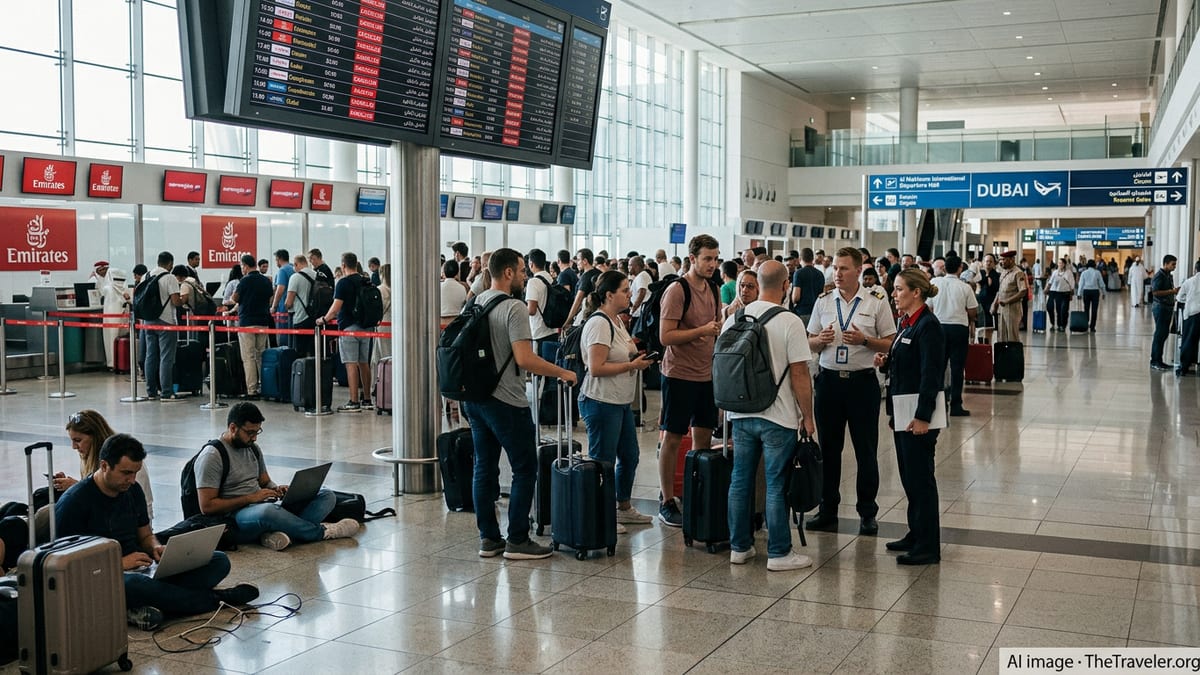
Government advisories highlight an improved yet cautious picture
Official guidance for travel to the United Arab Emirates has shifted in recent weeks from blanket warnings to a more nuanced message, reflecting easing regional tensions but ongoing security concerns. The United States currently assigns the UAE a “reconsider travel” level, citing the risk of missile and drone attacks as well as the broader regional situation. Other governments, including several in Europe and the Asia Pacific, have also updated their advice in mid June, moving from “do not travel” notices to language that encourages travellers to carefully assess the need for their trip.
The United Kingdom’s foreign travel advice no longer recommends against all but essential travel to the UAE, but public information notes that the security situation remains unpredictable and that further attacks could occur with little warning. Australia’s Smartraveller service similarly advises people to reconsider their need to travel, pointing to the possibility of renewed regional escalation and the potential impact on aviation and critical infrastructure. New Zealand’s SafeTravel takes a slightly less restrictive stance, recommending increased caution due to terrorism and the historic use of drones and missiles in the region.
These differing assessments underline that there is no single answer to the question of whether it is “safe” to visit Dubai right now. Instead, governments are broadly signalling that while immediate threats have diminished since the peak of hostilities earlier in the year, visitors should remain aware of the wider geopolitical backdrop and prepared for sudden changes to the risk environment.
For travellers, the practical implication is that insurance coverage, airline policies and employer rules may hinge on the specific advisory level from their country of residence. Before booking or boarding, it is important to check the latest official advice, as wording and levels can change quickly in response to regional developments.
Security on the ground in Dubai and the wider UAE
Inside the country, publicly available reports from residents, tourism bodies and international organisations continue to describe Dubai and other major Emirates as heavily policed, orderly and generally calm. Daily life, including commutes, shopping and leisure activities, has largely returned to its pre crisis rhythm after missile and drone strikes earlier in the year prompted temporary disruptions, including short term closures at Dubai International Airport.
Dubai has long marketed itself as one of the safest big cities in the world, with low levels of street crime, widespread use of surveillance technology and visible security at malls, transport hubs and major attractions. Recent coverage indicates that these measures have been strengthened rather than relaxed since the regional escalation, with a continued focus on protecting airports, energy facilities and tourist districts. There have been no widely reported attacks in the UAE in recent weeks, and social media posts from visitors suggest that hotels, beaches and shopping centres are operating as normal, albeit with heightened awareness of the regional situation.
However, the recent history of missile and drone activity in the Gulf means that security analysts still classify the UAE as exposed to potential spillover from tensions involving Iran, Israel and the United States. Earlier this year, strikes linked to the wider conflict briefly disrupted air traffic and resulted in casualties in Abu Dhabi. While diplomatic efforts and regional agreements have reduced the temperature in recent months, published security assessments note that any new flare up could again put high profile targets, including aviation infrastructure, at risk.
For individual travellers, the day to day risk in central Dubai currently appears low compared with many other global cities, but it is not zero. Visitors may wish to stay informed through trusted news outlets, be aware of their surroundings in crowded public places and familiarise themselves with the emergency instructions provided by hotels or tour operators.
Flights, rerouting and potential travel disruption
One of the most immediate effects of the regional crisis has been on air travel. Dubai remains one of the world’s busiest aviation hubs, and airlines based in the Gulf have been adjusting schedules and routes as airspace restrictions and safety advisories have evolved. Publicly available airline updates in July show that carriers are still rerouting certain services around restricted or sensitive airspace, particularly over parts of Iran, which can result in longer flight times and occasional delays.
Industry reports indicate that some airlines outside the region have temporarily suspended or reduced services to Dubai and other Gulf destinations during periods of heightened risk, while others have restored frequencies as conditions stabilised. Passengers transiting through Dubai may find that their preferred routing has changed, that connections are tighter or longer than before, or that last minute schedule changes are more common than in previous years.
Travel advisories from governments and insurers also explain that a sudden deterioration in the security environment could lead to widespread flight cancellations or diversions, as seen earlier in the year when Dubai International temporarily closed to incoming traffic. Travellers are therefore encouraged to book flexible tickets where possible, monitor airline notifications closely in the days before departure and ensure that their accommodation plans can absorb potential delays.
Despite these uncertainties, the overall pattern in mid July suggests that Dubai’s airports are functioning close to normal capacity, with a mix of leisure and business travellers passing through. For many visitors, the most noticeable difference from pre crisis travel is the higher likelihood of schedule changes and the need to build in extra time and contingency plans.
Local laws, social norms and non security considerations
Beyond geopolitical and aviation risks, travellers to Dubai must consider the UAE’s strict legal framework and conservative social norms. The country has modernised aspects of its legal code in recent years, including limited reforms to alcohol regulations and personal status laws, but public information from consular services stresses that behaviour which might be tolerated elsewhere can still result in fines, detention or deportation.
Issues commonly highlighted in official guidance include laws related to public decency, alcohol consumption, online activity and relationships outside marriage. Public displays of affection, offensive language, photography of certain sites and critical comments about religion or the government on social media have all led to legal cases in the past. LGBTQ+ travellers face particular uncertainty, as same sex relationships are criminalised under local law, even though enforcement can be uneven and private life is often left undisturbed when there is no complaint.
There are also practical considerations unrelated to security. Summer temperatures in Dubai routinely exceed 40 degrees Celsius, with high humidity, which can present health risks for unacclimatised visitors. Publicly available health advice recommends limiting outdoor activity during the hottest parts of the day, staying hydrated and paying attention to heat warnings. Road safety is another concern frequently cited by foreign governments, with high speeds on major highways and a record of serious traffic collisions.
Travel insurance documents should be checked carefully to ensure that coverage extends to the UAE under the current advisory level and that medical evacuation and trip interruption benefits are adequate. Some policies may exclude claims related to war or terrorism, which is particularly relevant given the recent history of regional conflict.
How travellers can make an informed decision now
With official advice varying between “exercise increased caution” and “reconsider travel,” the decision to visit Dubai at this point in 2026 depends largely on individual risk tolerance, purpose of travel and flexibility. Business travellers with essential commitments may judge the level of risk acceptable, especially given the apparent normality on the ground and the importance of Dubai as a regional hub. Leisure travellers may be more inclined to postpone if they are concerned about worst case scenarios or do not want to navigate possible last minute disruptions.
Experts who track tourism trends note that visitor numbers to the Gulf are recovering but that the pace is uneven, with some travellers waiting for a more definitive easing of tensions before returning. Hotel occupancy data and anecdotal reports from the hospitality sector suggest that Dubai is far from empty, yet bookings remain sensitive to headlines about missile activity, diplomatic disputes or changes in advisory levels.
Prospective visitors are advised to take a layered approach to decision making: check the most recent travel advice issued by their own government, review airline and insurance conditions, and follow coverage from reputable international and regional media. They should also consider personal factors such as health, mobility, the need to travel with children and the availability of alternative routes or destinations.
For now, travel to Dubai is possible and, for many visitors, uneventful. It is not, however, as straightforward as it was before the latest round of regional tensions. Anyone planning a trip in the coming weeks will need to stay informed right up to departure and be prepared to adapt plans if the situation in the wider Middle East shifts again.