


Mergellina sits at the quieter, more residential end of Naples’ famous waterfront, a short ride from the historic center but with a completely different mood. With its small harbor, sea-facing promenade and upscale apartment blocks, it looks at first glance like the kind of elegant neighborhood many travelers say they want. Yet when you are planning a short stay in Naples, the real question is whether Mergellina deserves time in your itinerary compared with the historic center, the Spanish Quarter, Vomero or a day trip to Pompeii or Capri. This guide takes a clear-eyed, practical look at what Mergellina offers today, who will enjoy it most, and when you might be better off spending your limited vacation hours elsewhere.
Get the latest updates straight to your inbox!
Where Exactly Is Mergellina and What Is It Like?
Mergellina is a coastal district in western Naples, forming the quieter end of the long Lungomare waterfront that stretches from Castel dell’Ovo to the base of the Posillipo hill. It is still a functioning fishing port but also serves as a secondary harbor, with small boats and some hydrofoil services heading to islands in the Bay of Naples and the nearby Campanian coast. The neighborhood feels distinctly more residential and affluent than the chaotic streets around Napoli Centrale, with tree-lined avenues, 19th and early 20th century apartment buildings, and locals out for their daily walk along the sea.
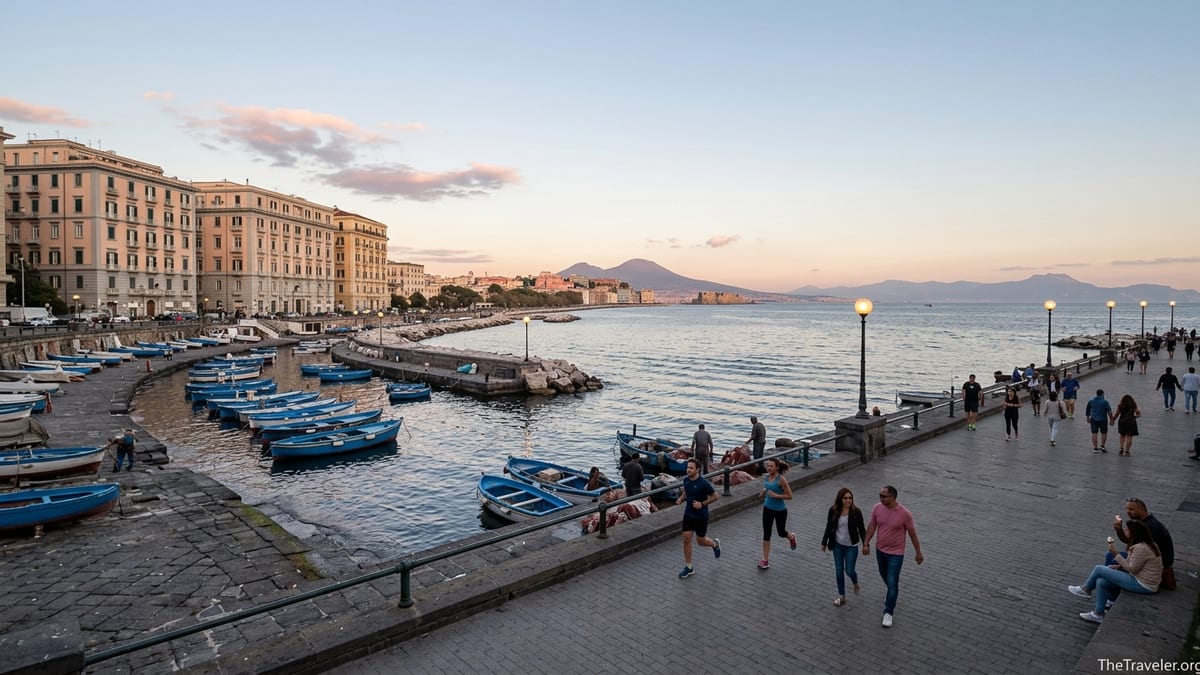
The heart of the area for visitors is the stretch of Via Francesco Caracciolo and the adjacent marina. Here you get the classic Naples view: the curve of the bay, Vesuvius in the distance, and rows of boats rocking in the harbor. Compared with the busier waterfront around Castel dell’Ovo, you will usually find a little more breathing room, especially on weekdays outside Italian holidays. Many visitors describe Mergellina as the place where they finally slow down after a day in Naples’ historic center, when the city’s intensity starts to feel overwhelming.
Directly inland from the harbor, the streets rise toward the Piedigrotta area and up to the Posillipo hillside. Around the Mergellina metro station you will find typical city conveniences such as bakeries, pharmacies and supermarkets used by residents. The atmosphere is still unmistakably Neapolitan, with scooters weaving through traffic and conversations spilling into the street, but it feels less dense and more polished than older central neighborhoods.
For many travelers, this combination of sea views, local life and relative calm is exactly what makes Mergellina worth including. For others, especially those visiting Naples for just one or two days, it can feel like a pleasant extra rather than an essential stop. Understanding what you want out of your time in the city is key.
What Makes Mergellina Appealing to Visitors?
The first and most obvious draw is the waterfront itself. The Lungomare promenade runs for almost four kilometers along the Bay of Naples, and the section around Mergellina is among its most scenic. You can stroll for half an hour or more with uninterrupted sea views, benches for people-watching, and clear sightlines to Vesuvius and the Sorrento peninsula. On a clear winter morning or during a mild spring sunset, this walk can feel like one of the most peaceful experiences in the city.
Mergellina is also a popular place for locals to do their evening passeggiata, the traditional pre-dinner stroll. Between about 6 pm and 8 pm, particularly on weekends, you will see families with strollers, groups of teenagers, and older couples all moving slowly along the seafront, stopping for gelato or a coffee. Joining this relaxed flow is one of the easiest ways for visitors to experience everyday Neapolitan life without any organized tour. You can grab a cone or a pastry from a kiosk, sit on the low seawall, and simply watch how the city unwinds.
Another appeal is access to small urban beaches and bathing establishments along the nearby Posillipo stretch. While central Naples is not a beach destination in the classic sense, the coastline beyond Mergellina hosts a string of private lidos where you can pay for a sunbed and spend a lazy day by the water. Locals often recommend these to visitors who want a break after several days of museums and archaeological sites, noting that Mergellina and Posillipo offer some of the easiest seaside options reachable by public transport from the city center.
Finally, Mergellina has a reputation among locals as one of the safer and more comfortable districts for walking at night. Online discussions by Naples residents in recent years often single out Mergellina, Chiaia and Posillipo as among the preferred neighborhoods to live in, precisely because of their waterfront position and calmer atmosphere. This does not mean you should ignore normal big-city precautions, but for travelers who feel anxious about staying near the station or in more rough-around-the-edges districts, an evening stroll in Mergellina can feel reassuringly relaxed.
Cafes, Pastry Stops and Dining: What You Can Expect
Mergellina’s waterfront has several well-known kiosks and cafes that have grown from simple stands into local institutions. One of the best-known is Chalet Ciro on Via Caracciolo, a historic bar that has been serving coffee, pastries and snacks since the 1950s. Today it is famous for rich Neapolitan specialties such as fried donuts served hot, elaborate gelato creations, and hybrid pastries filled with cream or pistachio. Prices are higher than in a humble bar in the Spanish Quarter, but a coffee and pastry for two still tends to come in around the cost of one upscale cocktail in northern Europe, which many visitors consider good value for the sea view.
Nearby, other chalets and kiosks offer similar menus of espresso, sfogliatelle, croissants, aperitivo snacks and gelato. It is common to see locals ordering a cone or a brioche filled with ice cream and then leaning on the promenade wall to eat, rather than sitting down for full table service. This “grab a treat and walk” culture makes the area feel informal despite its well-heeled surroundings. If you visit in the late evening in summer, expect queues at the most popular kiosks, with groups of friends gathered outside chatting loudly until past midnight.
For sit-down meals, the area around the harbor and along Via Caracciolo has a mix of traditional seafood restaurants, pizzerias and more modern, design-focused venues. Many have terraces or large windows angled toward the bay. Menus typically feature grilled fish, seafood pasta, fried calamari and classic pizzas, with dinner for two including a shared starter, main and house wine often totalling a moderate amount by Western European capital standards. Restaurants directly on the front can be slightly more expensive, but you are paying for the view of the boats and the curve of the coastline from your table.
It is worth noting that Mergellina’s dining scene caters more to locals out for a pleasant evening than to international tourists looking for “must try” institutions. You are less likely to encounter the long queues and social media hype that surround famous pizzerias in the historic center. Instead, you will find solid, if sometimes unspectacular, meals in a setting that emphasizes atmosphere: the glow of streetlights on the water, the sound of cutlery and conversation drifting across outdoor terraces, and the sight of Vesuvius fading into the darkness across the bay.
Transport, Connections and Using Mergellina as a Base
From a practical point of view, Mergellina is well connected to the rest of Naples without being right in the thick of traffic around the main station. The neighborhood is served by Mergellina station on Metro Line 2, which runs through key stops including Napoli Campi Flegrei and the central area. Travel times from the historic center to Mergellina by metro are usually under 15 minutes once you are on the train, although waiting times can vary, especially late in the evening.
In addition to the metro, several bus routes run along the seafront and up to the Posillipo hill. One of the distinctive features of the area is the Mergellina Funicular, a short cable railway that links the lower waterfront district with the higher Posillipo Alto area. Travelers sometimes use this funicular to reach restaurants and viewpoints overlooking the entire bay, turning the ride itself into a small attraction. The funicular system is part of the city’s integrated public transport network, so a standard ticket usually covers both metro and funicular rides within the time limit.
The small port at Mergellina has, at various times, operated hydrofoil services to Capri, Ischia and other destinations in the Gulf of Naples. In recent years the main departure points for these islands have continued to be the larger Molo Beverello and Calata Porta di Massa piers closer to central Naples, where there are more frequent sailings and larger terminals. Mergellina’s role as a passenger harbor can therefore fluctuate. If you are planning to use it for a particular crossing, it is essential to check up-to-date schedules and departure locations rather than assuming a boat will leave from the nearest pier.
As a place to stay, Mergellina attracts visitors who prefer a calmer base after dark. You will find mid range hotels, guesthouses and serviced apartments in streets set back from the sea, often with balconies and partial sea views. Rents and room prices in this district are generally higher than in more working-class areas of Naples, in line with its reputation among residents as an upscale address. The trade-off is that while evenings feel serene, you will need to factor in 15 to 25 minutes of commuting time whenever you want to dive back into the historic center or connect with early-morning tours from near the main station.
Is Mergellina Safe and How Does It Feel After Dark?
Safety perceptions in Naples vary widely, but among locals, Mergellina is consistently described as one of the more comfortable areas for walking in the evening. Residents often compare it favorably to the streets directly around the central station, noting that the mix of families, runners, dog walkers and couples along the seafront creates a lived-in atmosphere well into the night. The combination of bright street lighting, a steady flow of people and the presence of long-established businesses contributes to a general sense of ease.
That said, it is still a large Mediterranean city, and visitors should behave with the same level of awareness they would in Barcelona or Marseille. Petty crime such as pickpocketing can occur wherever there are distracted people carrying phones and cameras, including along the waterfront. Sensible precautions include keeping valuables zipped away, not leaving bags hanging on the backs of chairs at outdoor tables, and avoiding flaunting expensive watches or jewelry, especially late at night when the promenade has thinned out.
One practical point is that, although the main waterfront is lively, side streets can become quiet quickly as you move further inland toward residential blocks. If your accommodation is several blocks uphill, plan your route in advance, stick to well-lit streets and consider using a radio taxi or ride service if you are returning very late. This is not because the area is particularly dangerous but because quiet streets anywhere can feel uncomfortable when you are unfamiliar with your surroundings.
Solo travelers, including women, frequently report feeling more at ease along the Lungomare and in Mergellina than in busier, more chaotic zones closer to the station. Many choose to have dinner or a sunset walk here specifically because the environment feels open and monitored. As always, trust your instincts: if a particular corner or underpass feels deserted, simply choose another route along the clearly lit main promenade.
Who Will Love Mergellina and Who Might Skip It?
Mergellina tends to appeal strongly to travelers who value atmosphere and gentle routine over long checklists of sights. If your idea of a perfect travel moment is sipping an espresso at a waterfront kiosk, watching fishermen adjust nets while joggers pass behind you and ferries cut across the bay, then you will likely remember Mergellina as one of your favorite corners of Naples. Couples on a city break, older travelers and anyone combining work and holiday often appreciate the slower pace, easy access to the sea air and space to walk without constantly dodging scooters.
It is also a good fit if you are spending several days in Naples and want to balance intense sightseeing with more relaxed time. After a long morning at the Archaeological Museum or a day trip to Pompeii and Herculaneum, an early evening stroll and simple dinner in Mergellina can be exactly the change of gear you need. Families with children sometimes prefer the open promenade here to the narrower streets of the historic center, as there is more room for strollers and fewer cars crossing the pedestrian path along the water.
On the other hand, if you have only a single full day in Naples, you might question whether a dedicated trip to Mergellina is the best use of time. The district does not have headline monuments on the scale of Castel dell’Ovo, the Duomo or the underground archaeological sites in the historic center. Its churches and historical elements, such as the nearby church of Santa Maria di Piedigrotta and older villas, are interesting but rarely appear at the top of general “must see” lists. In a tight schedule, many travelers prioritize the denser concentration of attractions and street life closer to Via dei Tribunali and Spaccanapoli.
Mergellina also may not satisfy those who want Naples to feel gritty, chaotic and unpolished at every turn. Part of its identity is precisely that it is more orderly and residential, which some visitors experience as slightly bland compared with the raw energy of markets in the Spanish Quarter or Rione Sanità. If your main curiosity is the city’s street art, alleyway shrines and crowded food stands, you will find more of that character elsewhere, and Mergellina may feel more like a pleasant detour than a highlight.
Practical Tips for Visiting Mergellina
The best times to experience Mergellina are generally early morning and late afternoon into evening. Around sunrise, joggers and dog walkers take over the promenade, and the light across the bay can be spectacular, particularly in winter when the air is clearer. Late afternoon and sunset are ideal for photography, with the sun dropping behind the Posillipo hill and the sky reflecting in the calm water around the small marina. In summer, plan for higher heat and more people; in shoulder seasons such as April, May, September and October, the balance of gentle warmth and manageable crowds is often excellent.
Most visitors reach Mergellina using the metro or by walking along the Lungomare from more central districts such as Chiaia and Santa Lucia. The walk from the Castel dell’Ovo area to the main harbor in Mergellina, at a relaxed pace with photo stops, often takes around 45 minutes. This route lets you experience the gradual shift from more tourist-oriented restaurants near the castle to the increasingly local feel of the waterfront as you approach Mergellina, all while keeping the sea at your side. Comfortable shoes are essential, as the promenade is long and shaded seating can be limited at midday.
For food, consider timing your visit to coincide with a meal or at least an aperitivo break. You could, for example, walk out in the late afternoon, pause at a kiosk like Chalet Ciro for a coffee and pastry, continue along the harbor as the lights come on, and then choose a seafood trattoria for a simple dinner before heading back by metro or taxi. If budgets are tight, you can easily keep costs low by treating the area as an evening walk with takeaway gelato or street-side snacks, rather than a full restaurant experience on the waterfront.
Weather can influence how much you enjoy the neighborhood. On windy or rainy days, the exposed seafront can feel harsh, and the appeal of lingering outdoors drops sharply. In that case, you may want to limit your time to a quick look at the harbor and then continue on to indoor attractions elsewhere in the city. Conversely, on days of extreme summer heat, late evening often becomes the most comfortable moment to visit, when the sea breeze finally starts to cool the air and the promenade fills with locals seeking relief.
The Takeaway
So, is Mergellina worth visiting during your trip to Naples? For many travelers, the answer is yes, provided expectations are calibrated. This is not an area of blockbuster museums or dramatic ruins. Instead, it offers views that define the mental image of Naples for countless people: the bay curving away toward Vesuvius, fishing boats bobbing against the harbor wall, and locals strolling the Lungomare as the sky shifts through shades of orange and pink.
If your time in Naples stretches to three days or more, including Mergellina as part of an extended waterfront walk or an evening outing can enrich your sense of the city’s geography and daily life. It is especially rewarding for those who appreciate slower moments, want a gentler environment after the intensity of the historic center, or are looking for a comfortable area to stay with easy access to the sea. If you are racing through on a whistle-stop tour, you might choose to focus instead on the dense cluster of historic sights and food institutions elsewhere, treating Mergellina as an attractive extra rather than a priority.
Ultimately, Mergellina’s value lies less in individual attractions and more in the overall feeling it gives you: that of standing at the edge of a complex, energetic city, with space to breathe, look out over the water and understand how deeply Naples is tied to its bay. For travelers who care about that connection between city and sea, setting aside a few hours here is time well spent.
FAQ
Q1. How much time should I plan to spend in Mergellina?
Most visitors find that two to three hours is enough to walk the waterfront, enjoy a coffee or gelato, and have a look around the harbor. If you plan a sit-down dinner or combine the visit with a funicular ride up to Posillipo, you might comfortably stretch that to a half day.
Q2. Is Mergellina a good area to stay in for first time visitors to Naples?
Mergellina can be a good base if you value calm evenings, sea views and a more residential feel. It is less convenient for early morning tours or constant visits to the historic center, as you will rely on the metro or taxis. Many first timers choose to stay more centrally but come to Mergellina for an evening walk and dinner.
Q3. How do I get from Naples’ historic center to Mergellina?
The simplest way is to take Metro Line 2 from a central station and ride to Mergellina, which usually takes under 15 minutes once you are on board. Alternatively, you can walk along the Lungomare from the Castel dell’Ovo or Chiaia area in about 45 minutes, enjoying continuous sea views along the way.
Q4. Are there beaches in or near Mergellina?
Directly in Mergellina there are small stretches of shoreline and a marina rather than broad sandy beaches. However, continuing along the coast toward Posillipo you will find private lidos and rocky bathing areas where you can pay for a sunbed and access to the sea. These are popular with locals in summer and reachable by public transport from Mergellina.
Q5. Is it safe to walk around Mergellina at night?
The main waterfront in Mergellina is generally considered one of the more comfortable areas of Naples to walk after dark, with good lighting and a steady flow of locals out for the evening. Standard big-city precautions still apply, such as keeping valuables secure and sticking to well-used streets, especially if you are returning to accommodation inland from the seafront.
Q6. Does Mergellina have direct boats to Capri or Ischia?
Mergellina has served as a secondary harbor for hydrofoils in the past, but the main, most frequent services to Capri, Ischia and Procida usually leave from larger piers closer to central Naples. If you hope to depart from Mergellina, always check current schedules and departure terminals, as routes and operators can change.
Q7. What kind of food is Mergellina best known for?
The area is best known for its waterfront kiosks and cafes serving classic Neapolitan pastries, gelato and coffee, as well as seafood-focused restaurants with bay views. Bars like the historic chalets on Via Caracciolo are popular for fried donuts, rich ice cream creations and aperitivo snacks enjoyed while leaning on the promenade wall.
Q8. Is Mergellina suitable for families with children?
Yes, many families appreciate the wide promenade, relative lack of car traffic along the seafront, and the simple pleasure of watching boats and feeding small fish from the harbor wall. Strollers handle the flat Lungomare well, though you should still keep a close eye on children near the water and when crossing streets inland.
Q9. Are there notable historical sights in Mergellina itself?
Mergellina’s appeal is more about its setting than headline monuments, but the broader area includes churches such as Santa Maria di Piedigrotta and several historic villas on the slopes toward Posillipo. These are interesting if you enjoy architectural detail and local history, yet they rarely appear as primary reasons for visiting compared with the waterfront itself.
Q10. When is the best season to visit Mergellina?
Spring and early autumn are often ideal, with mild temperatures and long evenings that suit waterfront walks. In summer the area becomes busier, especially around sunset, but the sea breeze can make it more comfortable than inland streets. Winter visits can be beautiful on clear days when Vesuvius and the Sorrento peninsula stand out sharply across the bay, though you will need warmer layers for the exposed seafront.