


Seven Mile Beach on Grand Cayman is still one of the Caribbean’s most talked-about shorelines, but in 2026 it is no longer the simple “of course you should go” decision it once was. Erosion has narrowed parts of the beach, cruise days can feel crowded, and room rates along the sand often rival top U.S. city hotels. At the same time, the water is as clear as ever, the best sections remain stunning, and there are excellent alternative beaches across the island. This guide walks you through when Seven Mile Beach is worth your time and money, and when another Cayman shoreline may fit better.
Get the latest updates straight to your inbox!
Seven Mile Beach in 2026: What Has Changed and What Hasn’t
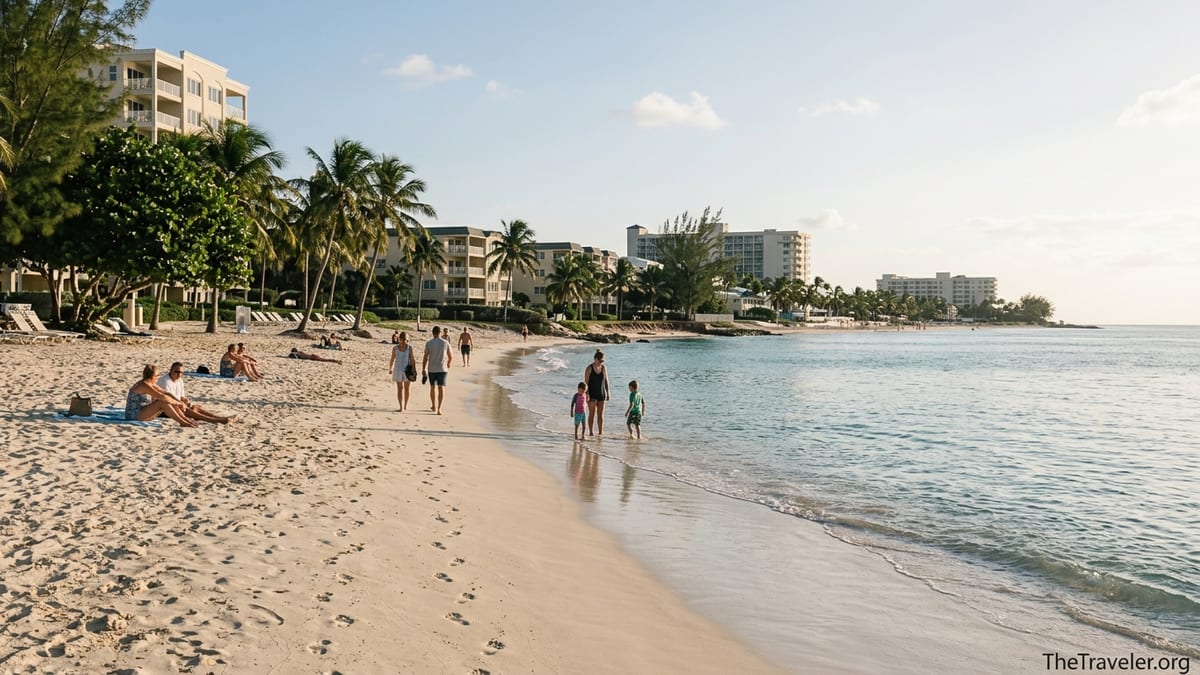
Seven Mile Beach is a long crescent of pale coral sand on the western side of Grand Cayman, fronted by calm, turquoise Caribbean water and backed by condos and resorts. Despite its name, the walkable section is now closer to 5.5 miles, and in the last few years erosion and storms have significantly reshaped parts of the shoreline, especially toward the southern end near George Town. Locals, scientists and government agencies have been debating how to protect this stretch, which contributes heavily to the island’s tourism economy, while property owners grapple with losing sand in front of long-established buildings.
For visitors, the key point is that the experience is now more variable depending on where you plant your towel. Around some properties near the former Marriott site, sections that used to be broad sand are now narrow or tide-dependent, and you may find seawalls, sandbags or water right up to hotel steps. Farther north, especially around well-known properties such as the Westin or Caribbean Club, the beach typically remains wider, with soft sand and an easy wade into deep, clear water. The overall feel of Seven Mile Beach is still that of a beautiful urban resort beach, not a wild castaway cove.
Water clarity, however, has not changed. The protected west side of Grand Cayman still offers some of the clearest, calmest swimming conditions in the Caribbean on most days, with gentle waves and visibility that regularly delights first-time snorkelers. Sunset views over the open sea, easy access to restaurants and shops, and the convenience of being a short taxi ride from the airport and George Town keep Seven Mile Beach firmly on most visitors’ short list, especially for short stays and first-time trips.
Is Seven Mile Beach Worth It for Cruise Passengers?
Grand Cayman remains a tender port, so cruise passengers arrive by small boats from the anchored ships into George Town. From the cruise terminals, most visitors heading to Seven Mile Beach either join a ship-sponsored shore excursion or hop in a taxi or shared van. As a rough guide, a straightforward round-trip taxi for two to central Seven Mile Beach often runs in the ballpark of 25 to 40 US dollars depending on traffic and the exact drop-off, while organized excursions that include transport, a beach chair and one drink commonly price in the 40 to 70 US dollar per person range.
If your ship is in port for only six or seven hours, Seven Mile Beach is usually a solid choice because of its proximity. In practice, it is about a 10 to 15 minute drive from the tender pier to popular public access points near Governor’s Beach or by larger resorts. Many cruisers simply pay for a day pass at a beach club or hotel that includes access to a pool, restrooms and non-motorized water equipment. For example, it is common to see packages marketed that combine beach access with a drink, use of a lounger and Wi-Fi, which can be appealing if you want a predictable, one-stop base.
The trade-off is crowds. On days when multiple large ships anchor, sections closest to George Town can feel busy by late morning, with rows of loungers, bar music and a steady flow of passengers trying to maximize their short day ashore. If your ideal Cayman stop is quiet snorkeling or a nearly empty beach, you may be happier skipping Seven Mile Beach entirely in favor of a pre-booked trip to spots like Rum Point, Starfish Point or a Stingray City and sandbar combo that includes time at a more relaxed beach club. For many cruise visitors, though, the convenience, iconic status and ease of logistics still make Seven Mile Beach worth visiting, especially if you stick to a quieter stretch away from the main public beach park.
Families and Couples: Atmosphere, Safety and Convenience
For families with children, Seven Mile Beach scores highly on safety and convenience. The west-facing location usually means small waves, a sandy bottom and a gradually sloping entry that is forgiving for wobbly toddlers and nervous swimmers. Lifeguards are not present everywhere, but in front of many major resorts there is good visibility, plenty of other people and easy access to shade, restrooms and snacks. Larger properties on the beach often run kids’ clubs or daily activities, so a parent can alternate between sandcastle duty and a quiet hour by the pool with relative ease.
One example scenario: a family of four stays in a mid-range condo toward the northern half of Seven Mile Beach, paying a nightly rate that might be comparable to a good hotel in a major U.S. city. They can walk directly out to the sand, cook breakfast in the unit to offset dining costs, and then use the car they’ve rented from a well-known agency to make day trips to attractions like the Cayman Turtle Centre or the Queen Elizabeth II Botanic Park. In this case, Seven Mile Beach functions as a convenient home base with built-in entertainment for the kids between outings.
Couples, particularly those looking for an easy, low-stress beach holiday, often appreciate the mix of comfortable resorts, fine-dining options and quiet evenings. Seven Mile Beach is not a late-night party strip; nightlife tends to revolve around early dinners, sunset cocktails and perhaps live music at a beach bar rather than thumping clubs. A pair staying at an upscale property might spend their days alternating between beach, spa and short excursions, then walk to dinner at a neighboring restaurant that serves high-end seafood or Caribbean-influenced cuisine. For honeymooners or anniversary trips who value service and amenities over complete seclusion, Seven Mile Beach still delivers.
The main downside for both families and couples in 2026 is cost. Food and drink prices along the beach reflect import costs and the island’s position as a financial hub. A casual lunch on the sand for a family can easily run similar to or higher than a mid-range restaurant in New York or Miami, especially once you add smoothies or cocktails. Couples who want to moderate their spending sometimes choose a condo with a full kitchen along Seven Mile Beach, stocking up at a large supermarket near the main road, then splurging on a few special restaurant meals rather than eating out three times a day.
Snorkeling and Water Activities: When Seven Mile Shines and When It Doesn’t
Seven Mile Beach is fantastic for relaxed swimming, paddleboarding and floating, but the snorkeling directly off the sand varies significantly by spot. In front of many central resorts you will find mostly sand with occasional small patches of rock or seagrass, which are pleasant for a quick look at a few fish but not the best choice if your main goal is snorkeling. This suits beginners who might be more comfortable in open sandy areas while practicing with a mask and fins, but dedicated snorkelers usually plan on exploring other nearby sites.
For example, Cemetery Beach at the northern end of the Seven Mile corridor is known for better off-the-beach snorkeling. After walking through the small public access path beside the cemetery, swimmers can head out toward the reef, where the water becomes slightly deeper and coral heads attract more marine life. Spotts Beach on the south side of the island, a 15 to 20 minute drive from George Town, is another popular choice; visitors who arrive early in the morning often report seeing sea turtles feeding on seagrass in the shallows, along with rays and schools of fish. These areas are still within easy reach of those staying on Seven Mile Beach by rental car or taxi.
Many visitors pair a stay on Seven Mile Beach with organized boat excursions that depart from marinas just inland from the main tourism strip. Half-day trips to Stingray City, where you can stand on a shallow sandbar surrounded by friendly southern stingrays, remain among the island’s signature experiences. Other tours combine reef snorkeling with a stop at Starfish Point or a beach club at Rum Point, giving you a richer marine experience than simply staying in front of your hotel. If you are an experienced snorkeler or diver, you will almost certainly want to look beyond Seven Mile Beach itself to appreciate the island’s clearer reefs and iconic shore dive sites such as Eden Rock or Macabuca.
Crowds, Costs and the Impact of Beach Erosion
Crowding along Seven Mile Beach depends on three main factors: how many cruise ships are in port, whether you are near a public access point and the time of day. On days with multiple large ships anchored, the central public beach park and areas attached to cruise-focused beach clubs can feel busy from late morning through mid-afternoon, with music, vendors and a dense line of loungers close to the water. Early mornings and the hour before sunset are typically quieter, and the northern sections of the beach, which are more residential and condo-oriented, often feel less hectic even on popular days.
Costs along the beach reflect Grand Cayman’s generally high price level. Room rates at upscale beachfront properties can rival luxury hotels in major North American cities during peak periods, especially over holidays and winter weekends. More modest condominium complexes or smaller hotels on or just off the beach may bring nightly prices down into the range of a good U.S. business hotel, but they are rarely what you would call cheap. Add in dining at resort restaurants, rental car fees, fuel, and activities such as stingray excursions or glass-bottom boat rides, and a week on Seven Mile Beach can quickly become a premium vacation.
Beach erosion adds another layer of complexity. In recent years storms have accentuated sand loss along the southern portion of Seven Mile Beach, leaving some properties with narrow or intermittent sand at high tide and leading to visible efforts to stabilize shorelines with sandbags or seawall repairs. Government, local media and private developers have treated erosion as a serious national issue, with discussions about long-term solutions and careful monitoring of the most affected segments. For a visitor, the practical takeaway is that you should not assume the beach is uniform from end to end. Before locking in an expensive beachfront stay, it is worth checking recent traveler photos or speaking directly with your accommodation about the current width and condition of the sand in front of their property.
Despite these challenges, wide, postcard-like sections still exist, particularly in the mid to northern parts of Seven Mile Beach. For many travelers, sitting under a palm tree in front of a well-maintained resort, wading into warm, clear water and watching the sun set behind anchored sailboats still feels like the classic Cayman image they were hoping for. The key is choosing your base deliberately and setting realistic expectations about crowds and costs rather than assuming Seven Mile Beach is untouched or secluded.
When Another Cayman Beach Might Be Better
Seven Mile Beach is not the only beautiful shoreline on Grand Cayman. In fact, for some types of trips, another beach can be a better fit than the island’s most famous one. Families with very young children who prioritize shallow, sheltered water might gravitate toward Rum Point on the north side. There, the beach fronts the protected North Sound rather than open sea, creating a lagoon-like environment where the water stays relatively calm even when the open Caribbean is choppier. Newly revamped beach facilities provide hammocks, picnic tables, shaded areas and casual dining, though the area is farther from George Town and requires either a rental car, taxi or organized excursion.
Travelers who dislike crowds or prefer a more local feel often choose Cemetery Beach, the quieter northern extension of the Seven Mile corridor. Access is via a small path next to the roadside cemetery, opening onto a stretch of sand framed by trees rather than a large resort complex. There are no on-site restrooms or restaurants, and shade comes from natural vegetation instead of rows of rented umbrellas, so it suits visitors who are comfortable bringing their own supplies and treating the outing more like a picnic than a serviced beach day.
Spotts Beach, located to the east of George Town on the south shore, appeals especially to snorkelers hoping to see turtles. The beach itself is a mix of sand and rock with shade trees and a handful of picnic tables. Conditions are often best in the early morning or late afternoon, when the sun is lower and turtles come inshore to graze. While the entry may be a bit rockier than Seven Mile Beach and water shoes are useful, the reward can be memorable encounters with marine life in a more relaxed setting, away from the main resort corridor.
Those staying for longer visits sometimes split their time, spending a few nights on Seven Mile Beach for the convenience and dining, then moving to the quieter East End or North Side for a change of pace. On the East End, for instance, resorts such as condo-style properties maintain their own small beaches with a more rugged, less polished feel, often fronted by reef-protected water. The trade-off is more driving to reach restaurants and attractions, but for repeat visitors or anyone seeking a slower rhythm, this approach can strike a good balance.
How to Decide: Matching Seven Mile Beach to Your Travel Style
If you are trying to decide whether Seven Mile Beach is worth visiting for your specific trip, it helps to weigh your priorities honestly. If this is your first time in the Cayman Islands, you have a moderate to high budget, and you value convenience, comfort and easy access to excursions, Seven Mile Beach is still the most straightforward choice. You will be close to marinas for Stingray City trips, dive shops for lessons, and a wide range of dining, from casual beach bars to high-end restaurants. Couples looking for a streamlined honeymoon or short winter escape, and families who want minimal logistics, typically find the area well suited to their needs.
If, on the other hand, you are traveling primarily to snorkel, prefer a quieter or more rustic environment, or are very sensitive to crowds and high prices, it may be wiser to use Seven Mile Beach sparingly or not at all. You might stay on the North Side or East End, visiting Seven Mile Beach only for a half-day look, or skip it in favor of a string of less-developed beaches. Cruise passengers who want to avoid the busiest spots might book a smaller-group tour that explicitly includes time at alternate beaches or reef sites instead of a generic “Seven Mile Beach break.”
Budget matters as well. Travelers on tighter budgets often discover that staying a few streets back from the beach, or on another part of the island, can significantly reduce accommodation costs. You can then visit Seven Mile Beach by rental car or taxi for a day, enjoying the sand and sunsets without paying for premium beachfront real estate every night. This approach works best if you are comfortable driving on the left and planning your own outings rather than relying solely on resort concierge desks.
Ultimately, Seven Mile Beach is still worth visiting for many kinds of travelers in 2026, but it is no longer a one-size-fits-all answer. Beach erosion in certain sections, high prices and the presence of other excellent beaches across Grand Cayman mean it should be a considered choice rather than an automatic one. Understanding what you personally want from a Cayman vacation is the most reliable guide to whether that iconic sweep of sand will feel magical or merely convenient.
The Takeaway
Seven Mile Beach remains Grand Cayman’s flagship shoreline and one of the Caribbean’s most recognizable resort beaches, but time and development have changed its character. Parts of the southern end now show clear signs of erosion, and even the best sections feel more like an upscale seaside neighborhood than a deserted tropical bay. For cruise passengers on a tight schedule, families wanting shallow water and amenities, and couples who appreciate good restaurants and easy logistics, it still usually earns a place on the itinerary, provided you steer toward the wider, mid to northern stretches.
For snorkelers in search of reefs, travelers craving quiet or those watching their budgets closely, Seven Mile Beach may serve better as a brief visit than a long-term base. Grand Cayman offers a mosaic of alternative shores, from the turtle-filled shallows of Spotts Beach to the sheltered lagoon at Rum Point and the low-key calm of Cemetery Beach. By matching your expectations and travel style to the realities on the ground, you can decide whether Seven Mile Beach should be the star of your Cayman trip, a supporting character or simply a scenic cameo.
FAQ
Q1. Is Seven Mile Beach still worth visiting after the recent erosion?
Yes, but with caveats. Some southern sections are narrow or tide-dependent, while mid to northern areas generally remain wide and beautiful. It is worth checking recent photos or contacting your accommodation about current beach conditions before you book.
Q2. Which part of Seven Mile Beach has the best sand and swimming?
Conditions change over time, but visitors frequently praise the central to northern sections around well-established resorts and condo properties for having wider sand, clear water and an easy, sandy entry compared with some more eroded southern segments.
Q3. Is Seven Mile Beach a good choice for a cruise ship day?
Often yes, because it is close to the George Town tender pier and easy to reach by taxi or excursion bus. Just be prepared for crowds on busy cruise days and consider choosing a quieter stretch or a day pass at a resort-style beach club instead of the main public beach park.
Q4. How expensive is it to stay on Seven Mile Beach?
Seven Mile Beach is one of the priciest areas in the Cayman Islands. Beachfront hotels and condos can be comparable to upscale properties in major U.S. cities, especially in winter, while dining and activities add significantly to overall costs.
Q5. Is Seven Mile Beach good for families with young children?
Yes. The typically gentle waves, sandy bottom and gradual slope into the water make it attractive for children, and many beachfront resorts offer pools, kids’ activities and easy access to snacks, restrooms and shade.
Q6. Is snorkeling off Seven Mile Beach worthwhile?
Snorkeling directly in front of many central resorts is pleasant but not spectacular, with mostly sandy bottom and scattered rocks. For better off-the-beach snorkeling, many visitors head to nearby spots such as Cemetery Beach or drive to places like Spotts Beach or organized reef excursions.
Q7. When is Seven Mile Beach most crowded?
It is busiest on days when multiple cruise ships are in port, particularly late morning to mid-afternoon near public access points and cruise-focused beach clubs. Early mornings, late afternoons and the quieter northern stretches are often more relaxed.
Q8. Should I rent a car if I stay on Seven Mile Beach?
You can manage without a car if you are happy staying close to your resort and using taxis, but many visitors rent a car to explore other beaches, grocery stores and attractions at their own pace, especially for stays of more than a few days.
Q9. When is another Cayman beach a better choice than Seven Mile Beach?
If you want sheltered, lagoon-like water and do not mind a longer drive, Rum Point is a strong option. For quieter, more local-feeling sands or better off-the-beach snorkeling, Cemetery Beach, Spotts Beach or the East End and North Side shores may suit you better.
Q10. Is Seven Mile Beach safe for walking at night?
The area is generally considered safe, and many visitors walk along the beach or main road between restaurants and hotels after dark. As with any destination, it is wise to use common sense, stay in well-lit, populated areas and avoid leaving valuables unattended on the sand.