


For many UK travellers, the days of queuing at the bureau de change or hiding wads of cash in money belts are over. App-based banks like Starling promise fee-free spending abroad, strong protection for your money and slick mobile tools that make managing travel costs remarkably simple. But in 2026, with new competitors and increased regulatory scrutiny, is Starling still a legit choice for travel banking?
Get the latest updates straight to your inbox!
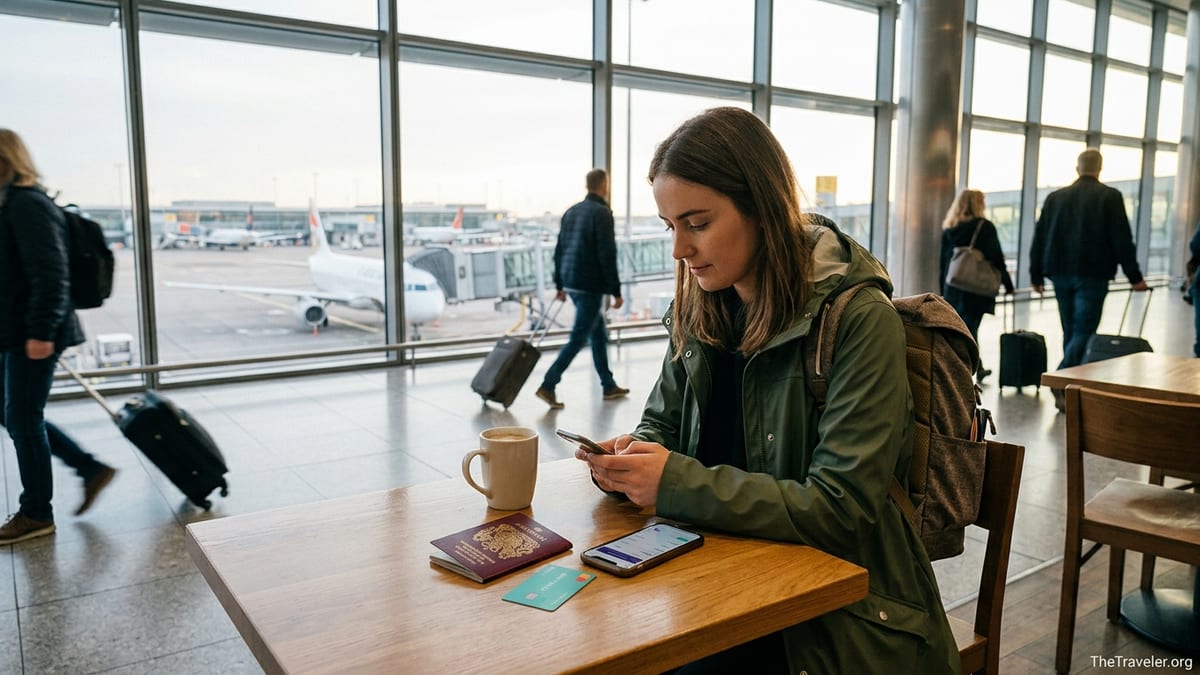
What Starling Bank Actually Is in 2026
Starling is a fully licensed UK bank, not just a prepaid card or “fintech wallet.” It holds a full UK banking licence and is regulated by both the Financial Conduct Authority and the Prudential Regulation Authority. Customer deposits are protected by the Financial Services Compensation Scheme (FSCS) up to a standard limit per eligible person, similar to protection at high street banks. That means if Starling went out of business, the FSCS would step in to compensate eligible customers up to the scheme limit.
For travellers, that distinction matters. When you move your holiday savings into Starling ahead of a trip to Spain or Thailand, your money sits in a regulated current account with deposit protection, rather than on an e-money card that simply holds a claim against the provider. In practical terms, using Starling for travel is more like taking Barclays or NatWest abroad than using a prepaid travel card from a high-street bureau.
Starling has grown from a niche app to a mainstream bank with millions of UK personal customers. Its core product remains a free personal current account with a Mastercard debit card, which you can use worldwide wherever Mastercard is accepted. For travel there are also optional euro and US dollar accounts, but most UK holidaymakers simply spend in local currency from their main sterling balance and let Starling handle the conversion.
In 2025 Starling shortened its branding to “Starling” in much of its marketing, but the underlying legal entity is still Starling Bank Limited. For customers, this rebrand does not change the regulatory status, FSCS protection, or how the card works when you are on the road.
Fees and Exchange Rates When You Use Starling Abroad
The main reason Starling is so popular among travellers is simple: it does not add its own foreign transaction fee on purchases or cash withdrawals abroad. When you tap your Starling card to pay for a 15 euro lunch in Lisbon, the transaction is converted at the Mastercard exchange rate, and Starling does not add a percentage surcharge on top. If the Mastercard rate on the day works out at roughly 0.85 pounds per euro, your lunch would cost about 12.75 pounds, plus or minus a few pence depending on the intraday rate.
The same principle applies when withdrawing cash from overseas ATMs. Starling does not charge a withdrawal fee for cash taken out abroad, and there is no monthly cap on fee-free foreign ATM usage. There is, however, a daily cash withdrawal limit, which is typically a few hundred pounds’ worth in local currency. For a long weekend in Berlin, taking out 50 or 100 euros at a time from Deutsche Bank or Sparkasse machines will comfortably sit within those limits.
It is important to understand that “no Starling fees” is not the same as “no fees at all.” Many foreign ATMs and some card terminals add their own charges. In New York, for example, it is common for independent ATMs in delis or subway stations to slap on a 3 to 5 dollar cash withdrawal fee regardless of which UK bank you use. In parts of Spain, some banks charge 2 to 6 euros per withdrawal. Those fees are set by the local bank or ATM operator, not Starling, and will show on the screen before you confirm the transaction.
The other hidden cost to watch for is dynamic currency conversion. When you pay in a restaurant in Rome or withdraw cash in Bangkok, you may be asked whether you want to be charged in pounds instead of the local currency. Always choose to pay in the local currency. If you accept a conversion to pounds, the merchant or ATM operator sets the rate and typically builds in a hefty margin, wiping out the advantage of Starling’s fee-free model.
Real Travel Scenarios: How Starling Performs on the Road
Consider a typical one-week city break from London to Barcelona. Without a travel-friendly bank, you might buy 500 euros in cash at a bureau de change, paying a poor rate plus commission, and carry most of it around in your day bag. With Starling, many travellers now land at El Prat, withdraw 100 euros from a bank-branded ATM in the arrivals hall and pay for everything else by card. The Mastercard rate usually tracks the mid-market rate fairly closely, and Starling itself adds no extra FX fee.
For a longer backpacking trip, the benefits compound. Imagine two months in Southeast Asia, hopping between Thailand, Cambodia and Vietnam. Traditional UK banks often charge about 2 to 3 percent on each foreign transaction plus a cash withdrawal fee, so someone spending 2,000 pounds over the trip could easily lose 60 pounds or more in fees. With Starling, those bank-side charges do not apply. The main costs become whatever the local ATMs charge and any margin baked into their own currency conversion if you accidentally accept it.
Starling also works well for splitting bills, which is especially useful in group travel. The app lets you instantly send money to other Starling users, so if one friend pays the full 120 euro restaurant bill in Athens, the others can reimburse their share in pounds at the live rate straight from their phones. You see the amount in both currencies in your transaction history, so there is less guesswork about who owes what.
Starling’s euro and US dollar accounts become handy for regular travellers to the eurozone or United States. A digital nomad who spends half the year in Lisbon might choose to be paid into a local euro account, then hold euros in Starling’s dedicated euro space. They can then spend directly in euros when in Portugal while still having their main sterling account for expenses back in the UK. For most casual holidaymakers, though, simply spending on the sterling card remains the easiest and most transparent option.
Safety, Regulation and the FCA Fine: Should Travellers Worry?
On safety, the key point is that Starling is a regulated UK bank with FSCS-protected deposits up to the scheme limit for eligible customers. This places it in the same basic risk category as long-established high street banks when it comes to the security of your money. If Starling were to fail financially, the FSCS would typically aim to return eligible deposits, usually within days in past banking failures, though exact timelines can vary.
In 2024 the UK Financial Conduct Authority fined Starling nearly 29 million pounds for issues in its financial crime controls, specifically around sanctions screening and high-risk customers. The regulator found that Starling had not adequately updated its systems as it grew rapidly and that it had breached some restrictions on opening certain types of accounts. While serious, these failings related to anti-money laundering and sanctions processes, not to customers losing their deposits or the basic viability of the bank.
For a typical holidaymaker using Starling for card payments and cash withdrawals, that fine does not automatically translate into increased personal risk, but it is a reminder that even modern app-based banks must meet strict compliance standards. The FCA’s enforcement action led Starling to invest more heavily in its controls and monitoring. From a traveller’s perspective, the main impact you might notice is tighter checks or occasional verification requests, for example if you start receiving international payments or make unusually large transfers around the time of your trip.
As with any bank, your greatest personal security risks on the road are usually card theft, phone loss and social engineering scams, not the stability of the institution itself. Starling offers in-app card freezing, instant notifications and biometric login, all of which reduce the window in which a stolen card can be abused. Combined with FSCS protection for deposits, this makes Starling a robust option from a safety standpoint for ordinary travel use.
App Experience and Features That Matter When You Travel
Starling’s app is central to its appeal as a travel bank. Every card transaction triggers an instant push notification showing the local currency amount, the converted value in pounds and the merchant name. If you have just paid 8,000 Japanese yen in a Tokyo ramen shop, you will typically see the equivalent pound amount within seconds on your phone. This makes it much easier to track spending in unfamiliar currencies and keep an eye on budgets.
Card controls are another strength. You can freeze or unfreeze your card with a single tap, toggle online payments and contactless on or off, and view your PIN securely in the app if you forget it. If your wallet is stolen on a tram in Prague, you can freeze the card instantly using mobile data or Wi-Fi, then order a replacement. Replacement cards sent overseas may carry a modest fee and can take several days to arrive, so as a traveller you should still carry at least one backup card from a different provider.
Starling’s “Spaces” feature lets you ring-fence money in separate pots inside your account. For travel, many users create a dedicated “Summer in Italy” or “Japan 2027” space, automatically moving a set amount into it each month. Just before departure you can move those savings into your main balance and spend directly on the card. Because everything sits within the same FSCS-protected account, there is no need to manage separate budgeting apps or external savings accounts purely for trip planning.
The app also supports digital wallets such as Apple Pay and Google Pay. This is helpful in destinations where contactless acceptance is high but you are wary of taking your physical card out too often. In Scandinavian cities like Stockholm or Oslo, for example, you can often tap your phone with Starling loaded into your wallet to ride public transport, pay at supermarkets and enter attractions, all without ever opening your wallet.
Limitations, Outages and When Starling Alone Is Not Enough
No bank is flawless, and relying on any single provider for all your travel money is unwise. Like other banks, Starling has experienced occasional outages, usually short-lived, affecting card payments or app access. If that coincides with your arrival in a foreign city, you could find yourself temporarily unable to pay for a taxi or buy a train ticket from the airport into town.
There are also geographical and regulatory limits. Starling cards work almost everywhere the Mastercard logo appears, but there are sanctioned or high-risk countries where usage is blocked, such as North Korea or parts of heavily sanctioned territories. In some regions, local banking networks or outdated terminals can cause quirks: certain petrol stations or toll booths may require a chip-and-PIN card that is pre-authorised in specific ways, and some small merchants may still be cash-only.
ATM behaviour can vary widely. In Spain, for instance, you might find that a CaixaBank ATM charges a small fixed fee to withdraw euros with a UK card, while another bank on the next street offers fee-free withdrawals. In Thailand, some banks add a noticeable surcharge for foreign cards that you cannot avoid, making card payments in shops and restaurants a better bet than frequent cash withdrawals. These variations are not unique to Starling, but they shape your real-world cost of using the card abroad.
Because of these uncertainties, experienced travellers almost always carry a backup. A common setup is to make Starling the main card, with a secondary card from another travel-friendly provider such as Monzo, Chase UK or a specialist credit card with no foreign transaction fees. If one provider has a technical issue, or if a particular merchant refuses one card network but accepts another, you have an immediate fallback. Spreading your travel funds across two accounts also reduces the inconvenience if any one card is lost or frozen for fraud checks.
How Starling Compares With Other Popular Travel Banking Options
Compared with traditional UK high street banks, Starling usually wins decisively on foreign usage costs. Many legacy current accounts still add a percentage fee on every foreign card transaction and charge extra for overseas cash machine withdrawals. Some have improved their terms for premium accounts, but these often come with ongoing monthly fees. For someone taking several trips a year, Starling’s combination of no monthly account fee and zero foreign transaction fee on the bank side can mean tangible savings.
The comparison with other app-based players is more nuanced. Monzo also offers fee-free foreign card spending on its current account, but it places limits on free cash withdrawals abroad before charging a percentage fee, especially if you use ATMs heavily. Starling currently has no such monthly cap on fee-free foreign ATM withdrawals, though you must still observe its daily withdrawal limit. For a traveller who relies on cash, such as in parts of rural Eastern Europe where small guesthouses prefer cash payments, that difference can matter.
Revolut, particularly now that its UK banking entity has been authorised to take FSCS-protected deposits, is another major competitor. It offers a very wide range of currencies and some strong travel extras, such as on-the-fly currency exchanges and optional travel insurance on paid plans. However, Revolut’s fee structure can be more complex, with potential weekend markups or limits on fee-free currency exchange before extra charges apply. Starling’s appeal lies in its simplicity: spend or withdraw abroad and you broadly get the Mastercard rate without foreign usage fees or complicated tiers.
Credit cards with no foreign transaction fees remain a powerful alternative or complement. A specialist travel credit card can be ideal for higher-value purchases such as hotel bills or car hire, thanks to section 75 protection on eligible transactions. Used alongside Starling for day-to-day spending and cash withdrawals, this combination gives you strong consumer protections and redundancy. The key is to avoid using standard UK credit cards that layer on foreign transaction fees, or to clear any travel credit card balance in full to avoid interest.
The Takeaway
Putting it all together, Starling is a legitimate and often excellent choice for travel banking for UK residents in 2026. It combines the safety of a fully regulated, FSCS-protected bank with the low costs and transparency that travellers crave. Fee-free foreign purchases, no bank-side charges on overseas ATM withdrawals and clear app notifications make it easy to understand what you are really paying when you tap your card in a different currency.
That does not mean Starling is perfect or that you should rely on it alone. Foreign ATMs and merchants can still add their own fees, dynamic currency conversion can erode your savings if you are not careful, and technical outages or card blocks can occur with any provider. The FCA fine for financial crime control failings is a serious blemish on the bank’s recent history, although it has not prevented Starling from maintaining its licence and deposit protection.
For most travellers, the smart move is to make Starling your primary spending card abroad, backed up by at least one alternative such as another travel-focused current account or a fee-free credit card. Combine that with basic precautions such as paying in local currency, watching ATM screens for extra charges and keeping the app installed and updated, and you will have a modern, flexible and generally low-cost setup for trips almost anywhere in the world.
FAQ
Q1. Is Starling Bank safe to use for travel money?
Yes, for UK residents Starling is generally considered safe. It is a fully licensed UK bank with deposits for eligible customers protected by the Financial Services Compensation Scheme up to the standard limit, similar to major high street banks. The main day-to-day travel risks remain card loss, theft and scams rather than the bank’s own stability.
Q2. Does Starling charge foreign transaction fees when I use my card abroad?
No, Starling does not add its own foreign transaction fee on purchases made abroad. Transactions are converted at the Mastercard exchange rate. However, individual merchants and ATM operators overseas may still charge their own fees or offer unfavourable conversion options that you should decline.
Q3. Are overseas ATM withdrawals really free with Starling?
Starling does not charge you a withdrawal fee for using foreign ATMs, and there is no monthly cap on fee-free foreign cash withdrawals. There is a daily limit on how much cash you can take out, and the ATM provider abroad can still add its own fixed fee or poor conversion rate, which you should look out for on the screen.
Q4. Should I pay in pounds or in local currency with my Starling card abroad?
Always choose to pay in the local currency when using Starling overseas. If you accept a conversion to pounds offered by the merchant or ATM, you are likely to receive a worse exchange rate set by them, which can wipe out the benefit of Starling’s fee-free currency conversion.
Q5. Can I rely on Starling as my only bank when travelling?
It is not wise to rely on any single bank when travelling. While Starling is broadly reliable, outages, card damage, loss or unexpected security checks can happen. Most experienced travellers carry at least one backup card from another bank or a fee-free credit card so they can still access money if one provider has an issue.
Q6. What happens if my phone is lost or stolen while I am abroad?
If you lose your phone overseas, you should try to access your account from another trusted device, such as a spare phone or tablet, to freeze your card and secure your login. It is sensible to have your Starling login details and customer service contact information stored somewhere safe offline before you travel, and to carry a backup card from another provider in case you cannot quickly restore mobile access.
Q7. Is Starling better than Monzo or Revolut for travel?
It depends on how you travel. Starling stands out for simple, fee-free foreign spending and unlimited fee-free foreign ATM withdrawals on the bank’s side, which is ideal if you use cash abroad. Monzo offers similar card spending benefits but can place limits on free cash withdrawals. Revolut is powerful for multi-currency holdings and extra travel features, but its pricing can be more complex. Many travellers use a mix of these services.
Q8. Will my Starling card work everywhere?
Your Starling card should work in most places that accept Mastercard, but there are exceptions. Certain sanctioned countries and some high-risk regions are blocked. In addition, some local networks or older terminals may not support all types of transactions, and a few merchants or petrol stations may have specific requirements. It is wise to carry some local cash and at least one other payment method.
Q9. Does the FCA fine mean Starling is in trouble?
The FCA’s fine related to shortcomings in Starling’s financial crime and sanctions controls, not to its ability to safeguard customer deposits. While serious, it did not remove Starling’s banking licence or FSCS protection for eligible deposits. For typical travellers using the bank for everyday spending, the main consequences are more in the background, such as improved monitoring and possibly stricter checks in some situations.
Q10. Is Starling suitable for long-term travel or digital nomad life?
Yes, many long-term travellers and digital nomads use Starling successfully, often in combination with other accounts. Fee-free foreign spending, strong app controls and optional euro and dollar accounts make it attractive for extended stays. However, relying solely on any one bank for long-term travel is risky, so it is wise to have alternative accounts and cards in case of outages, local acceptance issues or unforeseen problems.