


More news on this day
The Islamic Emirate of Afghanistan is openly challenging a new wave of foreign travel warnings that urge citizens to avoid the country, asserting that security has improved nationwide even as Western and regional governments maintain maximum risk advisories and, in some cases, outright bans on visiting Afghanistan.
Get the latest news straight to your inbox!
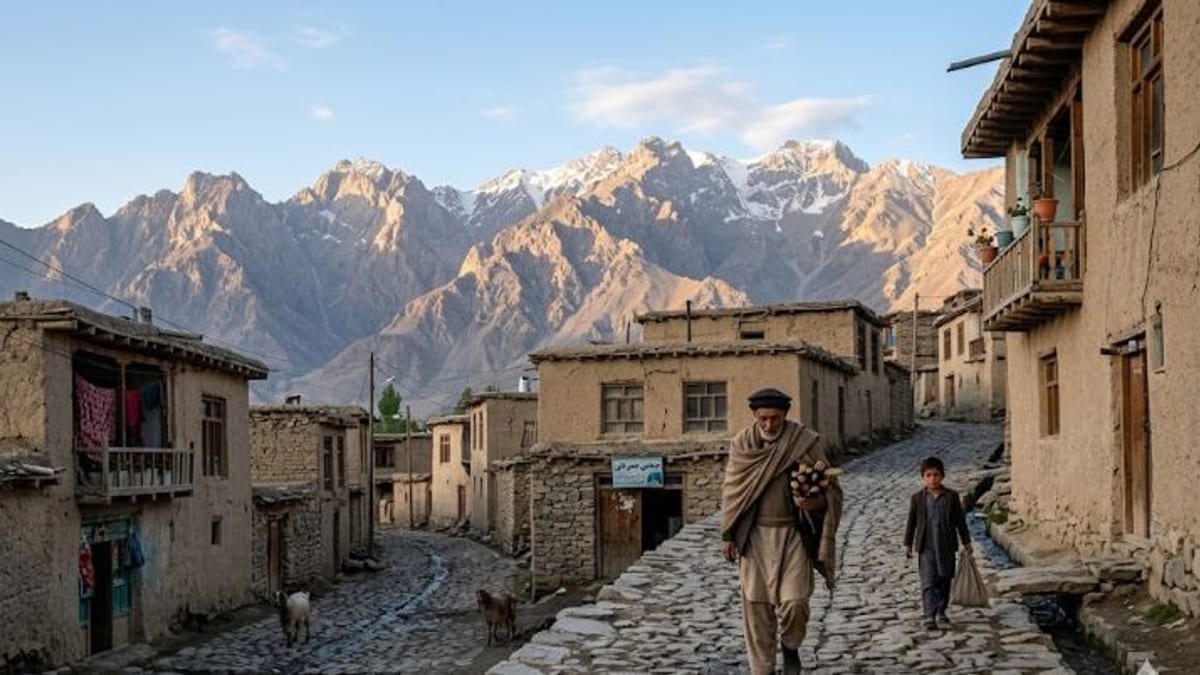
Fresh Statements Reject Renewed Foreign Travel Alerts
In early November 2026, public briefings highlighted in Afghan and regional media showed senior Islamic Emirate representatives describing recent foreign travel advisories as unjustified. Statements attributed to the administration’s chief spokesperson argued that foreign nationals currently face no serious security threats in Afghanistan and that concerns raised in Western guidance do not reflect what the authorities describe as the reality on the ground.
Reports from local outlets on November 6 and 7 indicated that the spokesperson framed the warnings as politically motivated and claimed that stability has been established in all provinces. The administration has repeatedly linked its narrative on security to a wider push for international engagement, seeking to demonstrate that large-scale conflict has subsided since the change of power in August 2021, despite ongoing concerns about terrorism and human rights raised in independent assessments.
The latest criticism comes as several governments have refreshed or reiterated their highest-level advisories. These notices typically highlight risks of terrorism, kidnapping, arbitrary detention, and the limited capacity of home-country embassies or consular staff to provide support inside Afghanistan, given that many diplomatic missions remain closed or operate from outside the country.
Major Powers Maintain Strict “Do Not Travel” Guidance
Publicly available travel advice from multiple Western governments continues to classify Afghanistan as an extreme-risk destination. Updated guidance from the United States in February 2026 designates the country at Level 4, the most severe category under its system, and urges citizens not to travel due to threats including terrorism, civil unrest, and the absence of a functioning embassy presence in Kabul.
The United Kingdom’s foreign travel advice, updated in November 2026, similarly advises against all travel to Afghanistan. The guidance notes that the government cannot provide routine consular assistance on the ground, stresses the risk of indiscriminate attacks, and warns that insurance coverage is likely to be invalidated when citizens travel against official recommendations. Comparable language appears in the Australian government’s current advisory, which also instructs citizens not to travel for any reason, including tourism, family visits, or business activity.
European governments have taken a similar stance. Public information issued by foreign ministries in countries such as Germany highlights a persistent risk of attacks, references activity by armed groups linked to the so‑called Islamic State, and points to recent cross‑border tensions involving neighboring states. The alignment of these advisories suggests a broad consensus among Western and some regional partners that conditions remain unsuitable for ordinary leisure travel, even as the security situation is described as more static than during the years of open conflict.
Regional Bans and Emerging Travel Restrictions
In addition to Western guidance, some regional states have imposed categorical restrictions on travel to Afghanistan for their own citizens. Public travel updates from the United Arab Emirates’ foreign ministry, for example, state that Emirati nationals are not permitted to visit Afghanistan except in narrowly defined circumstances such as accredited diplomatic missions, emergency medical transfers, or pre‑authorized official and economic delegations. This type of blanket prohibition goes beyond advisory language and has practical consequences for would‑be travelers in the Gulf.
Other governments in the broader region have taken a similar risk‑averse approach, citing security and political concerns related to armed groups operating from Afghan territory or to the lack of formal recognition of the current authorities. In some cases, the restrictions are accompanied by warnings that consular assistance would be extremely limited if citizens choose to travel in spite of government policy.
These measures create a fragmented travel environment in which some foreign nationals are legally barred from visiting while others face only soft discouragement through warnings. For the Islamic Emirate, the existence of outright bans adds a further layer of complexity to its campaign to attract investment, trade, and, in the longer term, higher‑spending visitors from the region.
Security Narrative Versus Independent Risk Assessments
The Islamic Emirate links its rejection of foreign travel warnings to claims that security has improved significantly since the end of large‑scale conflict. Public messaging emphasizes the absence of front‑line fighting, the reopening of domestic road corridors, and a reduction in criminality compared with the previous period of war. Officials also point to the continued operation of Kabul’s main international airport and a growing number of regional flights as evidence that regular movement in and out of the country is possible.
Independent reports, however, present a more complex picture. International travel advisories continue to document deadly attacks by groups affiliated with the so‑called Islamic State, including incidents targeting religious minorities and foreign interests. Human rights assessments describe an environment of pervasive restrictions, particularly on women and girls, and note that legal protections for foreign visitors are constrained by the absence of transparent judicial safeguards and the application of strict religious law.
Analyses published by governments and international organisations also highlight infrastructure concerns. Public guidance from several states warns that aviation safety oversight and emergency response capabilities in Afghanistan may not meet international standards, and that medical facilities, particularly outside major cities, have limited capacity to handle serious illness or trauma. These factors, combined with the risk of arbitrary detention and the lack of consular presence, underpin the argument that the situation remains too volatile for nonessential travel.
Limited but Growing Niche Tourism Amid Harsh Warnings
Even as foreign governments maintain their strongest warnings, there is evidence of a small but visible trickle of foreign visitors entering Afghanistan through organized tours. Statements by tourism officials in Kabul over the past two years have cited several thousand foreign arrivals annually, a fraction of pre‑war numbers but notable given the advisory landscape. Many of these trips are marketed by specialist operators as adventure or so‑called danger tourism, appealing to travelers who actively seek out destinations perceived as off‑limits.
Reports from returning visitors and travel industry coverage indicate that these itineraries tend to focus on Kabul and select provincial centers, as well as heritage sites and mountain landscapes in regions assessed by local guides as comparatively stable. Participants typically travel in small groups, often accompanied by local fixers and, in some cases, by security escorts arranged through the de facto authorities. Packages usually stress the need for modest dress, strict adherence to social norms, and readiness for itinerary changes at short notice.
Publicly available information from European migration and asylum agencies notes that short visits by diaspora Afghans and limited tourist travel have taken place without systematic obstruction at entry points, although questioning at checkpoints and airports remains common. At the same time, these assessments caution that the situation can change quickly and that there is no guarantee of safe passage or equal treatment for all categories of travelers, especially those perceived as politically sensitive or as challenging local social rules.
For mainstream tourists weighing potential trips, the divergence between the Islamic Emirate’s security narrative and the sustained severity of international travel advisories creates a difficult calculation. While a small number of foreign visitors continue to arrive, official guidance from many governments remains clear that travel to Afghanistan is undertaken entirely at personal risk, with limited recourse if conditions deteriorate.