


More news on this day
As ski lifts wind down for the season and summer crowds remain weeks away, Jackson, Wyoming is stepping into an unexpectedly serene role this April, offering migrating wildlife, freshly opened scenic roads and low-key outdoor adventures that showcase a quieter side of the Tetons.
Get the latest news straight to your inbox!
Spring Shoulder Season Brings Quieter Streets and Big Scenery
April in Jackson has long been known as a shoulder season between the final turns of winter and the crush of summer tourism. This year, the town is again entering that in-between moment, with publicly available information showing Jackson Hole Mountain Resort scheduled to close for the 2025 to 2026 ski season in mid April, while many summer-oriented operations remain several weeks from opening. The lull is translating into fewer visitors, lighter traffic and shorter waits at local businesses compared with peak months.
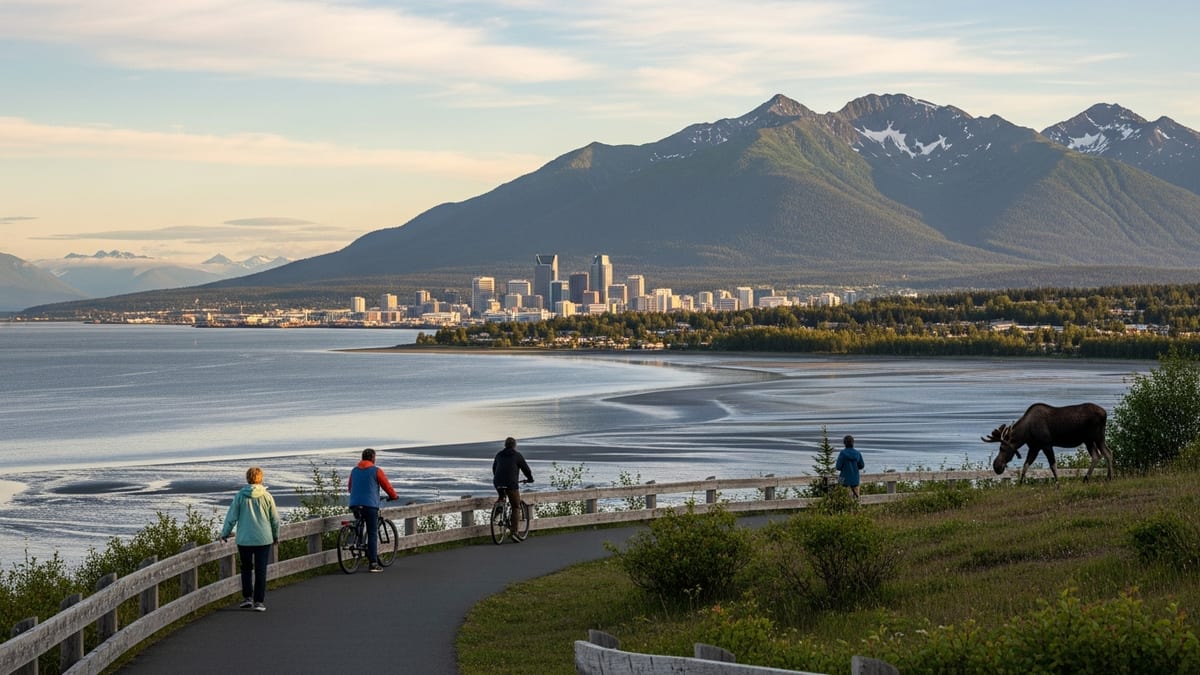
Even as the ski season wraps up, the surrounding landscape continues to deliver the dramatic scenery that draws travelers to northwest Wyoming. Snow still clings to the high Teton peaks, while lower elevations around the town of Jackson and the southern edge of Grand Teton National Park are beginning to show patches of bare ground and early signs of spring. Photography enthusiasts are finding clear mountain views and moody transitional light that differ from the crisp blue skies of midwinter or the hazy warmth of late summer.
Tourism materials and recent regional coverage describe April as an opportunity for visitors who prioritize elbow room over amenities. Some restaurants and tour businesses reduce hours or close briefly between seasons, but lodging prices can be more competitive than during major holiday or summer periods. For travelers willing to plan around limited services, the reward is a less hurried experience of one of the Rocky Mountain West’s most photographed valleys.
Wildlife on the Move Around Jackson and the National Elk Refuge
As temperatures gradually warm, one of the most significant changes around Jackson each April is the movement of wildlife. Reports from conservation groups and prior seasonal updates indicate that elk begin migrating off the National Elk Refuge toward summer range in Grand Teton National Park and adjacent public lands. That shift can create notable viewing opportunities from public roads on the outskirts of town, where large herds may be seen moving across open sagebrush benches.
In the broader Jackson Hole area, mule deer, moose and bison are also more visible at lower elevations as they follow emerging vegetation. Earlier spring seasons have historically brought bighorn sheep down from high, wind-scoured ridges to mid-elevation slopes, where new plant growth offers vital forage after the long winter. Wildlife advocates continue to stress that this is a sensitive time for animals depleted by months of cold and deep snow, and that visitors should observe from a distance and follow posted guidance designed to limit disturbance.
Bear activity typically begins to pick up in April as well. Past wildlife updates for Grand Teton National Park describe grizzly bears and black bears emerging from dens and traveling along valley floors in search of carcasses and early green-up. That pattern tends to repeat annually with some variation based on snowpack and temperatures. Local land managers encourage travelers to carry bear spray on hikes, stay alert near rivers and forest edges, and use designated pullouts instead of stopping in the middle of roadways when animals are spotted.
Scenic Roads and Trails Shift from Snow to Spring Access
Public communications from Grand Teton National Park and regional visitor organizations highlight April as a transition month for road and trail access. In recent seasons, Teton Park Road between the Taggart Lake trailhead and Signal Mountain has opened first to non motorized recreation such as walking and cycling before vehicles are allowed later in spring. When that pattern holds, it creates a rare window in which visitors can bike or stroll along a major scenic corridor with expansive views of the Teton Range and relatively little noise.
Other routes, including the Moose Wilson Road and certain higher elevation roads, can remain closed or partially snow covered well into April, especially in shaded sections. Hikers venturing out from trailheads near Jackson Lake, Jenny Lake or the base of the Tetons often encounter a mix of dry patches, ice and lingering drifts. Local outdoor shops track conditions closely and advise visitors on traction devices, waterproof footwear and route choices suited to variable spring surfaces.
Closer to town, the community pathway system and low elevation trails in areas such as the National Elk Refuge boundary and Bridger Teton National Forest tend to become walkable earlier than alpine routes. These corridors give visitors access to views of the Tetons, the Gros Ventre Range and the Snake River without requiring deep snow travel. As conditions change rapidly during melt season, travelers are encouraged to check recent reports and be prepared for cooler temperatures, slick sections and afternoon weather shifts.
Peaceful Adventures From River Edges to Wildlife Art
While whitewater rafting and high country backpacking remain on hold until later in the year, April offers a suite of quieter activities around Jackson that align with the slower pace of the season. Anglers focus on sections of the Snake River and nearby tributaries as flows and clarity allow, working around any remaining ice along the banks. Guided scenic float trips typically begin to appear on local calendars later in spring, depending on runoff and safety conditions, but shoreline access for photography and birdwatching arrives sooner.
For those preferring indoor or weather proof experiences, Jackson’s cultural institutions step into the spotlight. The National Museum of Wildlife Art, located just north of town overlooking the National Elk Refuge, presents rotating exhibitions and a permanent collection centered on animals and wild landscapes. Galleries on and around Town Square highlight Western, landscape and contemporary works that often draw direct inspiration from the surrounding valley, offering context for what visitors see outside.
Low key urban exploration also has more breathing room in April than in peak months. Publicly available information from local business groups notes that boutiques, cafés and restaurants in downtown Jackson remain open through much of the shoulder season, though some may adjust hours. With fewer people clustered around the iconic antler arches on Town Square, visitors can linger, photograph and watch changing spring weather move over the mountains without the crowding common in midsummer.
Planning Around Changeable Conditions and Climate Signals
This spring’s travel landscape in Jackson is unfolding against the backdrop of a winter that regional reporting describes as relatively mild in parts of the Rocky Mountain West. Coverage of Wyoming ski areas in March pointed to lower than average snowpack and challenging conditions for some resorts, which in turn affected closing dates and operations. Those same patterns can influence spring recreation in and around Jackson, with earlier melt in some locations and lingering thin, icy snow in others.
Climate researchers and local observers have increasingly noted that warmer winters and more volatile precipitation patterns may shape how and when visitors experience mountain destinations such as Jackson Hole. Reduced snowpack can open some lower elevation trails earlier in the season, while also concentrating remaining snow at higher elevations and affecting water supplies and river flows later in the year. Travelers arriving in April are encountering a landscape that reflects both long standing seasonal rhythms and emerging climate shifts.
Given the variability, local information sources continue to emphasize flexibility for spring visitors. Checking daily forecasts, road status updates and current wildlife guidance shortly before arrival can help travelers adjust plans toward the most accessible and least disruptive activities on any given day. For those able to adapt to changing conditions, Jackson in April is revealing itself as a quieter, subtly changing destination where wildlife movements, melting snow and soft light together mark the arrival of a new season.