


More news on this day
Operations at Nairobi’s Jomo Kenyatta International Airport (JKIA) deteriorated on August 30, 2026, as widespread disruption left a majority of Kenya Airways flights delayed or grounded, with industry tracking suggesting only about 30 percent of departures operating close to schedule.
Get the latest news straight to your inbox!
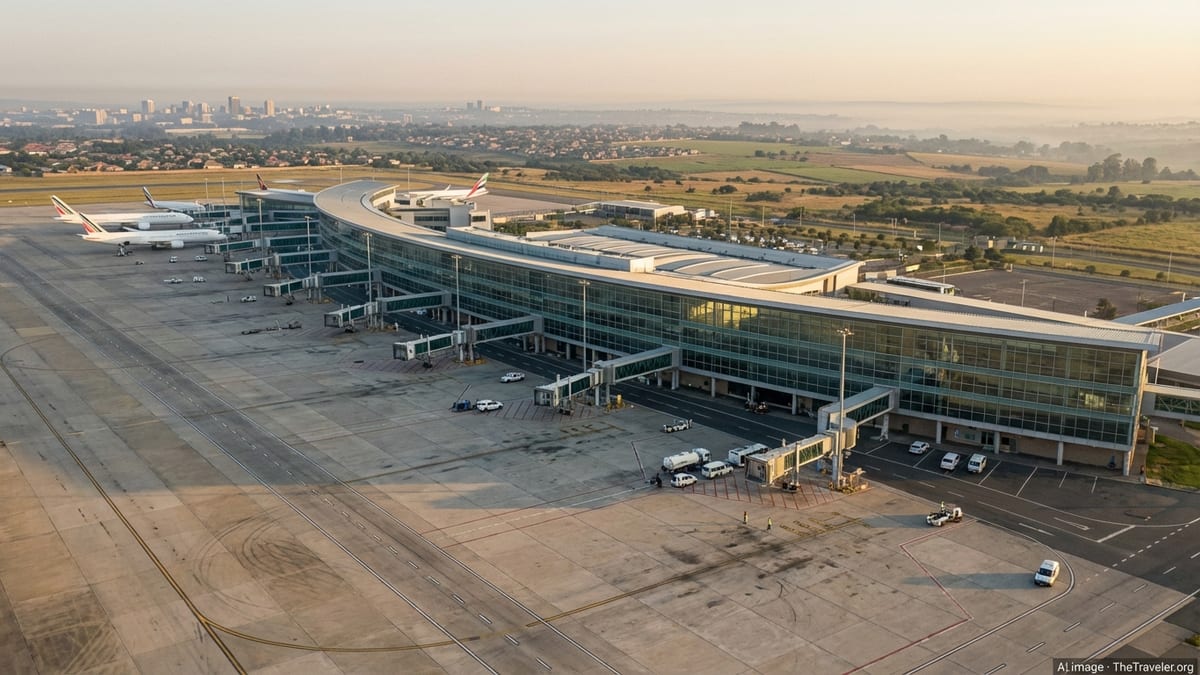
Delays and Grounded Flights Snarl JKIA Departures
Publicly available flight-tracking data and local media coverage show that Kenya Airways departures from JKIA on Sunday were heavily disrupted, with long gaps between scheduled and actual take-off times and numerous services remaining on the ground well past their planned departure windows. While some long-haul services continued to operate, most short and medium-haul routes experienced rolling delays.
Reports indicate that the latest disruption follows a period of mounting operational strain for the Nairobi-based carrier, which has been contending with aircraft shortages, maintenance backlogs and higher fuel costs throughout 2026. On Sunday, however, the problems converged at JKIA, creating visible congestion at departure gates and extended queues at check-in and security for affected flights.
Kenya Airways has recently highlighted strong passenger demand and improved revenue performance, yet Sunday’s scenes at JKIA underlined the fragility of day-to-day operations when additional stress is introduced into an already tight schedule. The combination of limited spare aircraft and infrastructure bottlenecks left little room to recover once early-morning flights were delayed.
By midday, local outlets were reporting delays of up to three hours on some routes, with travellers advised to arrive early, check their flight status repeatedly and prepare for extended waits inside the terminal. For many, the disruptions translated into missed connections, rebookings and rearranged travel plans across East Africa and beyond.
Air Traffic Control Go-Slow and Airport Staff Unrest
Published coverage from Kenyan media attributes Sunday’s escalating disruption in part to a go-slow involving personnel linked to the Kenya Airports Authority and Kenya Civil Aviation Authority, affecting operations at JKIA and several other airports. The industrial action, described as a slowdown rather than a full strike, reduced the pace of key processes such as clearances and aircraft movements.
Additional reports point to ongoing air traffic control challenges at JKIA, which further constrained the number of flights that could safely depart per hour. Even where aircraft and crew were technically ready, departures were held on the ground awaiting slots, compounding the delay profile across the Kenya Airways network.
According to publicly accessible advisories, the situation did not amount to a complete airport shutdown. Arrivals and some departures continued, but at a significantly reduced tempo. For a hub carrier like Kenya Airways, which relies on tight connection banks to link regional and intercontinental passengers, this partial slowdown was enough to unravel carefully constructed schedules.
The disruption unfolded against the backdrop of ongoing infrastructure works and planned terminal changes at JKIA, which have already prompted a reshuffling of some Kenya Airways operations between terminals. While these long-term projects are intended to improve capacity and passenger flows, the combination of construction-related adjustments and staffing unrest added further friction on an already difficult day.
Operational Pressures Build on an Already Stretched Airline
Sunday’s chaos at JKIA comes just days after Kenya Airways reported a widened half-year loss, citing higher fuel prices, supply chain constraints and reduced aircraft availability. Public financial disclosures show that jet fuel costs have surged and that the airline has faced shortages of engines and critical spare parts, forcing some aircraft to remain grounded for longer than planned.
Industry analyses published in recent weeks describe an airline caught between strong passenger demand and limited capacity. Kenya Airways has been trying to restore and grow its fleet to meet rising travel needs, but a global shortage of components and extended maintenance cycles has curbed its ability to add flights or provide backup aircraft when disruptions occur.
The effect of these structural challenges became evident at JKIA as delays cascaded across the schedule. When early services departed late or not at all, later flights lost their allocated aircraft and crews, creating a knock-on effect that rippled into the afternoon. With little spare capacity to reassign, the proportion of flights departing close to schedule dwindled, contributing to estimates that only around 30 percent of Kenya Airways departures operated with anything approaching normal punctuality.
Analysts tracking the carrier note that repeated episodes of disruption, whether from external shocks or internal constraints, risk undermining the progress made on revenue and load factors. For travellers, the gap between robust demand and reliable delivery was on full display in the crowded departure halls of JKIA.
Travellers Advised to Check Status and Prepare for Extended Waits
In response to the latest disruption, publicly available customer updates and media guidance have urged passengers booked on Kenya Airways to monitor flight status closely before heading to the airport. Travellers are being advised to use online tools, airline mobile apps and customer contact channels to confirm whether their flights are departing, delayed or rescheduled.
Travel advisories circulating on Sunday recommend that passengers allow additional time for check-in and security screening, given the longer queues created by delayed departures and uncertainty around boarding times. Those with onward connections through Nairobi are particularly encouraged to review their itineraries and, where possible, explore rebooking options if minimum connection times appear at risk.
JKIA’s role as a regional transit hub means that disruptions have a knock-on impact beyond Kenya’s borders, affecting passengers flying between other African destinations and onward to Europe, the Middle East and Asia. As Kenya Airways and airport stakeholders work to stabilise operations, travellers are being reminded that conditions may remain fluid through the remainder of the day.
Industry observers note that while Sunday’s events were triggered by specific operational and labour-related factors, they also highlight the importance for passengers of building flexibility into itineraries and considering travel insurance or contingency plans when flying through busy regional hubs such as JKIA.
What Sunday’s Turmoil Means for Kenya’s Aviation Hub
The deepening chaos at JKIA raises broader questions about resilience at Kenya’s primary international gateway at a time when regional competition for transit traffic is intensifying. Recent feasibility studies and master-plan documents have underscored the need for additional capacity, streamlined processes and more robust contingency planning to ensure that the airport can handle surging demand without frequent breakdowns.
While Sunday’s disruption is not the first operational challenge at JKIA in recent years, the scale of the impact on Kenya Airways departures reinforces concerns about how quickly issues in one part of the system can spread across the network. With neighbouring hubs investing in upgraded terminals and air traffic management systems, consistency of operations is becoming as important as geographic advantage.
For Kenya Airways, which remains the dominant carrier at JKIA but has yet to fully regain its pre-pandemic market share, maintaining reliability is central to its turnaround ambitions. Prolonged or repeated episodes of disruption could prompt higher-yield passengers and corporate clients to shift to alternative routings or carriers, eroding the benefits of Nairobi’s strategic location.
As investigations and reviews of Sunday’s events proceed, industry watchers will be looking for concrete steps to address both the immediate causes of the go-slow and the underlying structural pressures that made the system so vulnerable. The performance of JKIA and its home carrier in the coming weeks will be closely monitored by travellers and competitors alike.