


More news on this day
Kenya’s position as a leading safari gateway is under renewed scrutiny after the United States sharply tightened its travel advisory, asking citizens to reconsider trips amid heightened health and security concerns.
Get the latest news straight to your inbox!
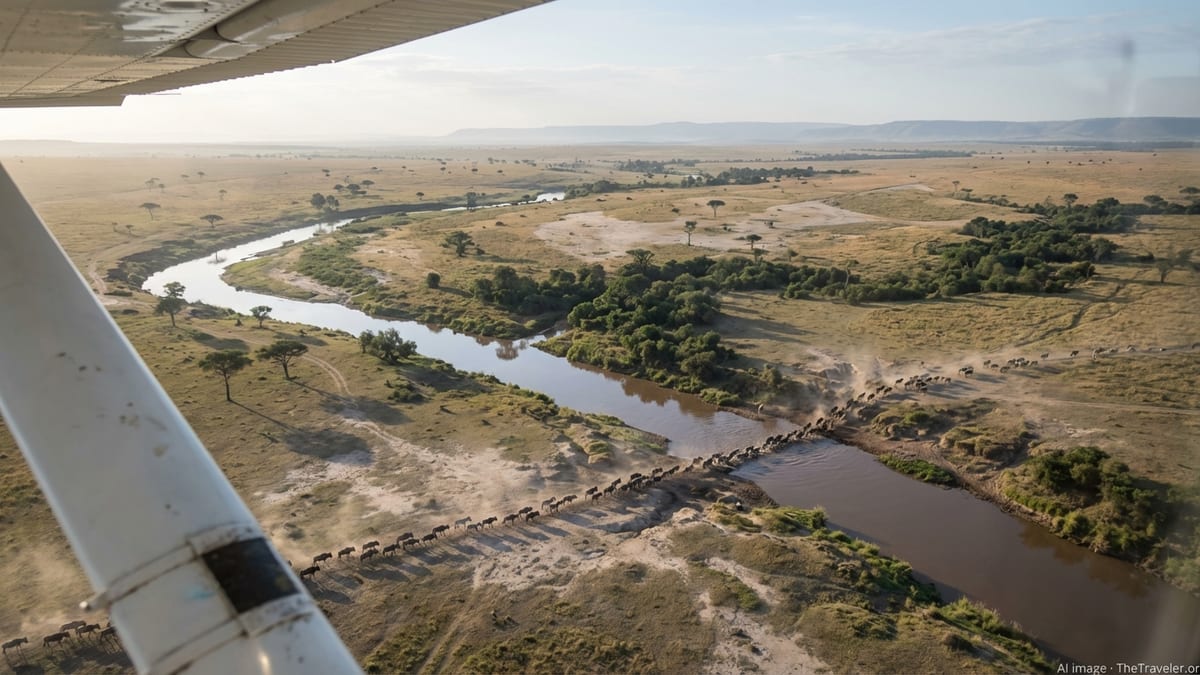
Advisory lifted to Level 3 amid health and security concerns
Publicly available information from the U.S. Department of State shows that Kenya’s overall travel advisory was upgraded on October 19, 2026, from Level 2, where travelers are urged to exercise increased caution, to Level 3, which advises them to reconsider travel. The change places Kenya in a higher risk category than many long haul leisure destinations that remain at Level 1 or Level 2.
The updated notice cites a combination of health risks, crime, kidnapping, terrorism, civil unrest and traffic safety issues. The advisory summary highlights concerns over limited medical capacity, noting that some facilities outside major centers may lack specialist staff, equipment or critical medicines, and that medical evacuation from remote safari regions to Nairobi or another hub can be costly.
The shift follows the confirmation of Ebola Bundibugyo virus disease cases linked to travelers in the region, prompting tighter health screening at key entry points. Reports indicate that travelers arriving from affected parts of Central and East Africa may face additional checks such as health questionnaires and temperature screening at airports and land borders.
While the overall country rating has moved to Level 3, the State Department continues to emphasize that risk can vary sharply between different parts of Kenya. The wording of the advisory urges travelers who still choose to visit to consult the full country guidance, including security information for specific cities, neighborhoods and border regions.
What the new guidance means for Nairobi and safari heartlands
The Level 3 designation applies nationwide, but the U.S. advisory singles out several locations as higher risk. It urges people not to travel to certain Nairobi neighborhoods, including Eastleigh and Kibera, due to crime and kidnapping concerns, and maintains strict cautions for areas near Kenya’s borders with Somalia, South Sudan and parts of Ethiopia because of terrorism and armed conflict risks.
By contrast, the main safari circuits centered on the Maasai Mara, Amboseli, Laikipia and coastal beach resorts have not been placed under a blanket prohibition in publicly available U.S. guidance. These areas typically involve pre arranged airport transfers, charter flights or road transport managed by tour operators, along with guided game drives within national reserves and private conservancies.
Travel industry reports indicate that most scheduled international flights into Nairobi’s Jomo Kenyatta International Airport and regional connections serving safari airstrips are operating as normal. There are currently no broad international travel bans targeting Kenya, and tourism authorities continue to promote itineraries that link Nairobi with wildlife destinations and Indian Ocean beaches.
Even so, the higher advisory level is likely to influence how some travelers approach upcoming trips. Specialists in the safari sector note that more guests are now asking detailed questions about health protocols, emergency procedures and security arrangements in the Maasai Mara and other flagship wildlife areas before confirming or reconfirming bookings.
Safari tourism, American visitors and potential impact
Kenya has long marketed itself as a safari hub for international visitors heading to East Africa’s savannas, forests and coast. Government tourism statistics cited in published coverage indicate that the country welcomed roughly 2.7 million international visitors in 2025, with travelers from the Americas accounting for a notable share of arrivals. The U.S. remains one of Kenya’s most important long haul source markets for high value wildlife and beach tourism.
Analysts following the sector suggest that the Level 3 advisory could prompt some Americans to postpone trips, switch to destinations with lower advisory levels, or seek enhanced assurances from tour operators and insurers before proceeding. Others may be prepared to continue with travel plans while adjusting itineraries, adding comprehensive medical and evacuation coverage, or booking with companies that can demonstrate robust safety and health protocols.
For lodges, camps and community conservancies around the Maasai Mara and other parks, any prolonged slowdown in arrivals from key markets can have knock on implications. Many of these enterprises support local employment, anti poaching patrols and conservation projects that depend heavily on nightly bed levies and park fee revenues. Industry observers are watching booking trends for the 2026 to 2027 high season to assess whether the advisory results in material cancellations or only short term hesitation.
At the same time, there is recognition within Kenya’s tourism sector that international advisories form only one part of travelers’ decision making. Travel planners and safari specialists are emphasizing that prospective visitors should review guidance from their own governments, consult multiple independent information sources, and balance risk tolerance with the rewards of visiting one of Africa’s most established wildlife destinations.
How tour operators and travelers are adjusting plans
Publicly available information from airlines, safari lodges and tour companies indicates a shift in emphasis toward clear communication about health and safety protocols since the advisory was revised. Many operators now highlight requirements or recommendations for travel insurance that includes medical evacuation, the availability of 24 hour on call assistance, and contingency plans for rerouting or evacuation in the event of local disruptions.
On the ground, travelers arriving into Nairobi and other entry points can expect some additional health screening procedures, particularly if they are transiting from or through countries where Ebola Bundibugyo cases have been reported. In many instances, this takes the form of simple questionnaires on recent travel history and basic temperature checks before immigration, adding modest time to the arrival process.
Safari planners are also encouraging guests to share detailed itineraries and emergency contacts with family or friends at home, register with their embassy’s traveler enrollment program where available, and monitor government advisory updates in the weeks leading up to departure. These steps were already common recommendations for long haul adventure travel but have taken on renewed prominence under the Level 3 classification.
Travel reports suggest that some visitors are choosing to structure itineraries to spend less time in large urban areas and more days in wildlife conservancies or coastal resorts, relying on hotel recommended transfers and established aviation or ground handling partners. Others are scrutinizing cancellation and change policies more closely, particularly clauses relating to government advisories and disease outbreaks, before paying final balances.
Key considerations for those still planning a Kenya safari
For travelers who remain committed to an upcoming Kenya safari, publicly available guidance points to several practical considerations. The U.S. advisory encourages anyone who decides to go to review the full country information page, understand the specific risks associated with different regions, and remain alert to changes in local conditions, including health developments and security incidents.
Health preparedness now sits at the center of pre departure planning. This includes confirming routine and recommended vaccinations with a medical professional, carrying an adequate supply of prescribed medicines, and checking whether any transit or destination countries require proof of yellow fever vaccination or other documentation. Travelers are also advised to understand how their insurance would respond to an unexpected need for medical evacuation from a remote lodge or airstrip.
Security considerations range from avoiding areas explicitly listed as no go zones in official advisories to taking common sense precautions in cities such as Nairobi and Mombasa. Publicly available information stresses the importance of using reputable transport providers, being cautious with displays of valuables, and remaining aware of surroundings in crowded areas, particularly after dark.
Crucially, reports from tourism bodies and safari experts underline that conditions continue to evolve. Prospective visitors are being urged to monitor updates from their own foreign ministries and health agencies in the weeks before travel, stay in regular contact with their tour operators, and be prepared to adjust plans if advisory levels or entry requirements change again. For now, Kenya’s parks and reserves remain open, but the latest U.S. warning has introduced a new layer of complexity for one of Africa’s signature safari destinations.