


More news on this day
The United Kingdom has updated its official travel advice for France after large protests over the rising cost of living and education funding triggered night-time curfews in parts of Paris, Lyon and other major cities, prompting concerns for visitors planning autumn trips.
Get the latest news straight to your inbox!
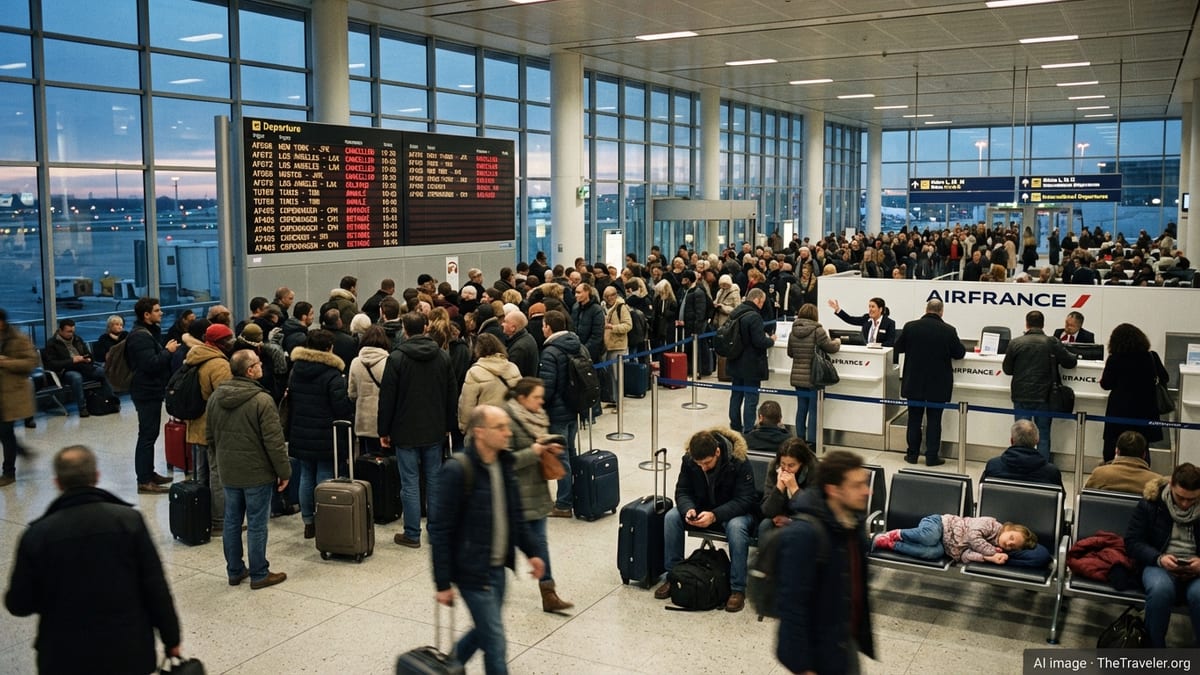
What the updated UK travel advice says
The UK Foreign, Commonwealth and Development Office revised its France travel page on 24 October 2026, highlighting an increased likelihood of demonstrations, political gatherings and marches across the country. The notice states that events can be announced at short notice and may turn disruptive, particularly in large urban centres.
According to the updated advice, local authorities in France may introduce public safety measures in response to unrest, including partial and localised curfews in some areas. Travellers are urged to follow local announcements, avoid protest routes and allow extra time for journeys within major cities.
The overall travel advice for France has not shifted to advising against travel, but the safety and security section now gives greater prominence to protest-related risks. The UK government also reiterates that there is a high threat of terrorist attack in France, separate from the current unrest, and encourages visitors to stay alert in busy public places and when using public transport.
The advisory notes that consular assistance may be harder to provide quickly in neighbourhoods experiencing clashes or where movement restrictions are in force. Travellers are encouraged to ensure their contact details are up to date with airlines, tour operators and accommodation providers in case plans need to change at short notice.
Curfews and restrictions in French cities
The update follows several nights of violence at the edges of largely peaceful protests that began on 17 October and have since spread to multiple regions. Published reports describe hundreds of thousands of people demonstrating nationwide over living costs and the state of public services, with some marches in Paris and other cities giving way to rioting, looting and arson after dark.
In response, the French government has authorised partial curfews in targeted districts rather than blanket citywide measures. Publicly available information indicates that in central Paris, restrictions have focused on areas around major squares, key shopping streets and certain metro hubs that have seen repeated clashes. Similar night-time limitations on movement have been introduced in parts of Lyon, Nice and other cities where damage has been most severe.
Curfews typically run from late evening until early morning, for example from around 9 pm or 11 pm until 5 am or 6 am, depending on the locality. In some places they apply to everyone, while in others they focus on minors or on specific zones where authorities seek to deter gatherings. Security forces have also been deployed in increased numbers around major transport nodes, government buildings and commercial areas.
French officials have characterised the curfews as temporary and localised, intended to protect residents, businesses and public property while protests continue. However, there is currently no clear national end date, and individual prefectures can extend or adjust measures based on local conditions, creating a patchwork of rules that visitors need to monitor city by city.
Impact on tourists and transport
For visitors already in France, the immediate effects have been most visible in central Paris and a handful of other large cities. Travel reports from the French capital describe boarded-up shopfronts on some main boulevards ahead of announced demonstration days, as well as early closures for cultural venues and attractions close to rally points.
On major protest days, museums including the Louvre and the Musée d'Orsay have closed as a precaution, while some other sites have shortened opening hours or rerouted access. Travellers with timed tickets have reported cancellations and automatic refunds when venues decided not to open on days considered high risk for unrest around their entrances.
Urban transport has generally continued to operate, but with adjustments. Public information from Paris transport operators shows temporary closures of certain metro stations such as République and Châtelet–Les Halles in the evenings when nearby curfew zones are enforced, along with diversions or early terminations for several bus routes serving central squares where marches begin or end.
Rail links between cities and international connections, including Eurostar services from London, have so far been less affected, though late-night departures and arrivals into stations in affected districts may face tighter security and occasional access restrictions. Travellers arriving by air into Paris and other major airports are being advised to check onward ground transport options in advance, especially for late-night transfers that might intersect with restricted areas.
How travellers can adapt their plans
Travel industry guidance suggests that most autumn trips to France can still go ahead, provided visitors remain flexible and well informed. Prospective travellers are being encouraged to review the latest UK travel advice before departure and again during their stay, paying particular attention to the safety and security and local laws and customs sections.
Within France, visitors can reduce the risk of disruption by checking local news and city announcements each morning, especially for Paris, Lyon, Marseille and other major urban centres. Published coverage notes that protest organisers frequently use central squares such as Place de la République, Place de la Bastille and Place d'Italie in Paris as gathering or dispersal points, so those staying nearby may wish to give themselves extra time when moving around on announced protest days.
Travellers with fixed-time bookings, such as museum entries, river cruises or evening performances, may wish to schedule these for days when no large demonstrations are expected, or opt for earlier time slots that are less likely to conflict with night-time restrictions. Holding electronic copies of bookings and keeping hotel details readily available can help if authorities temporarily close streets or stations, making some routes less straightforward than usual.
Those planning self-drive itineraries should be aware that temporary traffic restrictions, street closures and diversions can appear quickly around protest sites, particularly in historic city centres with narrow streets. Parking garages in central areas may limit access or close early when curfews are in effect, and some visitors have chosen to rely more on walking or public transport within cities during this period.
Looking ahead for autumn travel to France
As of 24 October, international travel advisories from several European countries, including Ireland, continue to flag the potential for further protests and unrest in France while stopping short of advising against all but essential travel. These notices emphasise that most visits remain trouble-free, particularly in smaller towns and rural areas far from the main demonstration routes.
Analysts of French domestic politics note that the current unrest reflects a convergence of long-running grievances over living costs, public services and broader dissatisfaction with national leadership. Publicly available commentary suggests that additional protest days may be announced in the weeks ahead, especially in the run-up to key parliamentary debates and regional political events.
For travellers, this means conditions are subject to change at relatively short notice, especially in big-city centres. Holidaymakers visiting in late October and November are being encouraged to take out comprehensive travel insurance, keep flexible cancellation policies where possible and stay responsive to local information throughout their trip.
Despite the heightened warnings and rolling curfews, tourism bodies report that France remains open to visitors, with the vast majority of neighbourhoods, attractions and transport services operating close to normal. The key message from updated travel advice is not that travellers must stay away, but that they should stay informed, avoid known trouble spots and be prepared for occasional last-minute adjustments to their plans.