


More news on this day
Kenya’s world-renowned safari industry is bracing for potential disruption after the United States raised its travel advisory for the country to Level 3 on October 19, 2026, urging citizens to “reconsider travel” because of health, crime and security concerns.
Get the latest news straight to your inbox!
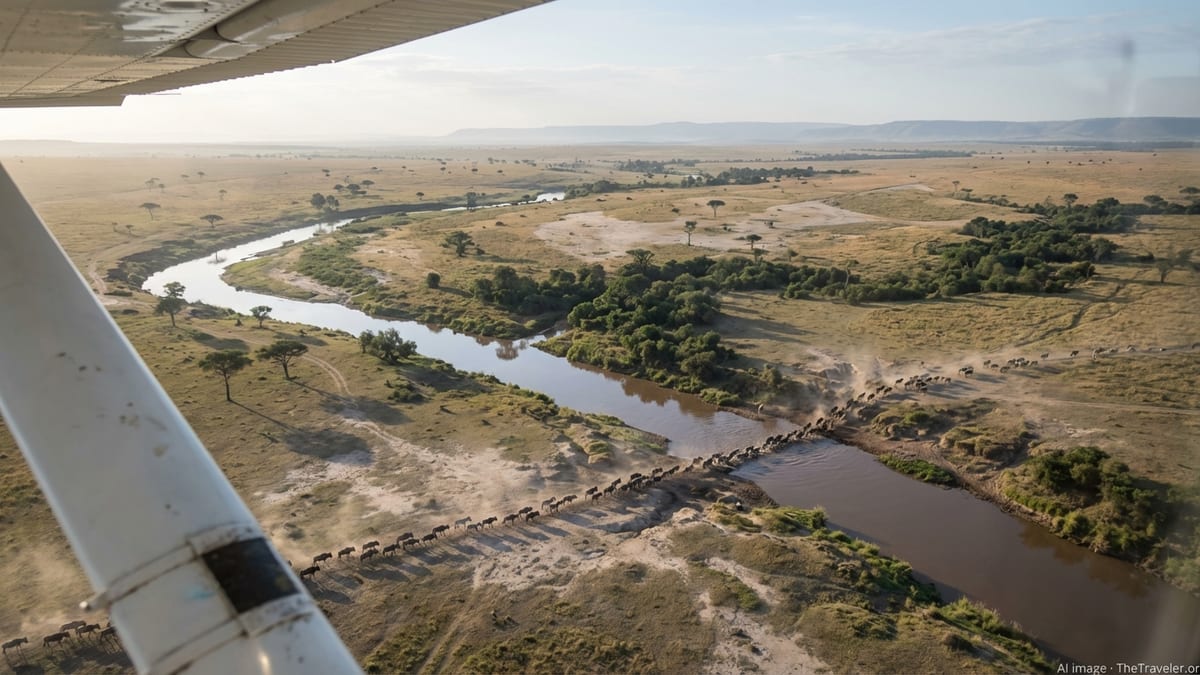
Advisory Raised to Level 3 as Risks Cited
The latest U.S. State Department advisory, updated on October 19, 2026, now categorizes Kenya as Level 3, a designation that calls on travelers to reconsider plans in light of identified risks. Publicly available State Department information lists a combination of factors behind the move, including the Bundibugyo strain of Ebola, terrorism, crime, kidnapping, civil unrest and road safety issues.
The change marks an escalation from the previous Level 2 guidance issued in July 2026, which recommended increased caution but did not ask travelers to reassess trips altogether. Advisory summaries indicate that certain areas, such as counties along the Kenya–Somalia border and parts of the coastal region, remain of particular concern because of past incidents involving extremist groups and sporadic attacks.
Separate U.S. government materials on the advisory system explain that Level 3 and Level 4 ratings are reviewed at least every six months, or sooner if conditions shift significantly. That framework suggests the current assessment for Kenya could be adjusted again depending on how both the security picture and the Ebola situation evolve over the coming months.
Regional health reports and World Health Organization updates show that Kenya confirmed its first imported Bundibugyo virus disease case in October 2026, with additional cases among close contacts subsequently recorded. While the outbreak remains limited in scale, its appearance has drawn heightened attention because of Kenya’s role as a major transport hub and gateway to safari destinations across East Africa.
Safari Heartlands Still Open but Facing Questions
Despite the revised U.S. guidance, key safari areas such as the Maasai Mara, Amboseli, Laikipia and the major Rift Valley lakes remain open and continue to host visitors. Recent public statements from Kenyan officials, highlighted in local and regional media coverage, stress that the advisory is not a ban on travel and that the country continues to welcome tourists while encouraging them to stay informed and observe recommended precautions.
Travel industry reports indicate that most traditional wildlife circuits lie far from the locations associated with recent health cases or long-standing security flashpoints. The Maasai Mara, for example, sits in Narok County in southwestern Kenya, hundreds of kilometers from the eastern border counties that foreign governments most frequently flag for terrorism and kidnapping risk.
Operators and travel advisors quoted in regional tourism outlets describe a mixed response from the market. Some U.S. travelers are reported to be seeking clarification on insurance coverage and cancellation terms, while others are choosing to proceed with itineraries already booked for the upcoming high season. Travel forums and recent trip reports continue to feature accounts of visitors completing multi-day safaris in 2026 without major disruption, although commentators frequently recommend monitoring official advisories up to the day of departure.
Local commentary also notes that Kenya’s tourism authorities have invested in recent years in training, security coordination and emergency response capacity in major parks and reserves, in part to reassure international partners following previous advisory cycles linked to terrorism incidents and public health concerns.
Economic Stakes for a Flagship Tourism Destination
Kenya’s safari sector occupies a central place in the national tourism economy, which government strategy documents describe as a key foreign exchange earner and employer. Pre-pandemic figures from Kenya Wildlife Service and the Ministry of Tourism showed international arrivals measured in the millions annually, with wildlife viewing and beach holidays accounting for a substantial share of visitor spending.
Earlier planning reports from Kenya Wildlife Service traced how negative foreign travel advisories between 2011 and 2015 contributed to a sharp fall in international arrivals, followed by a gradual recovery as security perceptions improved. Analysts now point to that history as evidence that renewed caution from a major source market such as the United States could again affect demand for safaris, especially for first-time visitors who are more sensitive to risk messaging.
North America has grown in importance for Kenya over the past decade, with airline route expansions and targeted marketing bringing more U.S. travelers into Nairobi and on to national parks. Sector observers in regional tourism publications suggest that even a modest decline in bookings from this market could be felt by lodges, camps, guides and community conservancies that depend on international guests for a large share of their income.
Some operators report that they are beginning to adjust projections for the 2027 season while they gauge traveler sentiment in the weeks after the advisory shift. Travel trade coverage notes that smaller camps and owner-managed safari outfits may be particularly exposed if postponements become more common, because they often rely on deposits and advance payments to cover running costs through the low season.
Health Measures Tighten Alongside Travel Caution
The U.S. advisory update has unfolded against the backdrop of a wider international response to the Bundibugyo virus disease cases in East and Central Africa. U.S. public health materials released in October 2026 describe new requirements for passengers boarding international flights to the United States to complete health attestations confirming that they have not been in affected parts of the Democratic Republic of Congo during the previous 21 days.
These measures are not targeted at Kenya specifically but have contributed to a sense of heightened scrutiny around travel from the region. Airlines serving Nairobi have continued operating, but travelers connecting through or from East Africa are being advised by official sources to check current airline and border health protocols before departure and during transit.
Within Kenya, publicly available information from health and aviation authorities outlines screening and surveillance steps at major entry points, including Nairobi’s main international airport. International organizations working with the Kenyan government have reported that the current outbreak remains geographically limited and that there is no recommendation for broad travel bans, although enhanced monitoring and contact tracing are in place.
For the safari sector, these developments mean itineraries are still going ahead, but clients increasingly expect transparent communication about health safeguards, emergency medical access and evacuation arrangements. Insurance providers have also begun updating policy language to clarify how they handle claims related to advisory changes or health alerts, an issue that travelers are being encouraged in consumer-facing coverage to review closely before final payment.
What Prospective Safari Travelers Need to Consider Now
For U.S. residents weighing a Kenya safari in late 2026 or 2027, the new Level 3 advisory adds an extra layer of decision-making. Consumer travel reporting notes that major tour operators are recommending that clients read the full text of government advisories, rather than relying only on headlines, to understand which risks apply nationwide and which are concentrated in specific regions.
Travel law specialists quoted in industry publications emphasize the importance of checking contract terms related to cancellations or date changes when advisories shift. Some safari companies offer the option to defer trips or apply payments to alternative destinations if government guidance escalates, while others treat an advisory as outside their control and apply standard penalties. Policies can differ even between camps within the same conservancy.
Recent traveler accounts shared on forums and social platforms show a spectrum of reactions. Some visitors who completed Kenya itineraries in mid and late 2026 describe feeling comfortable with their decision after taking common-sense precautions, such as using reputable operators, keeping informed about local conditions and following health guidance in crowded urban settings and airports. Others express a preference to wait for further health updates before confirming new safari plans.
Publicly available material from both U.S. and Kenyan authorities continues to underline that the decision to travel is ultimately personal and should take into account individual health status, risk tolerance and flexibility. For Kenya’s safari industry, the coming months will likely determine whether the latest advisory becomes a brief setback or the start of a more sustained period of uncertainty in one of the country’s most important economic pillars.