

More news on this day
Travelers heading out for the Juneteenth long weekend are encountering mounting delays across U.S. airports and highways, as the federal holiday converges with volatile weather, staffing constraints and an early-summer rush for quick getaways.
Get the latest news straight to your inbox!
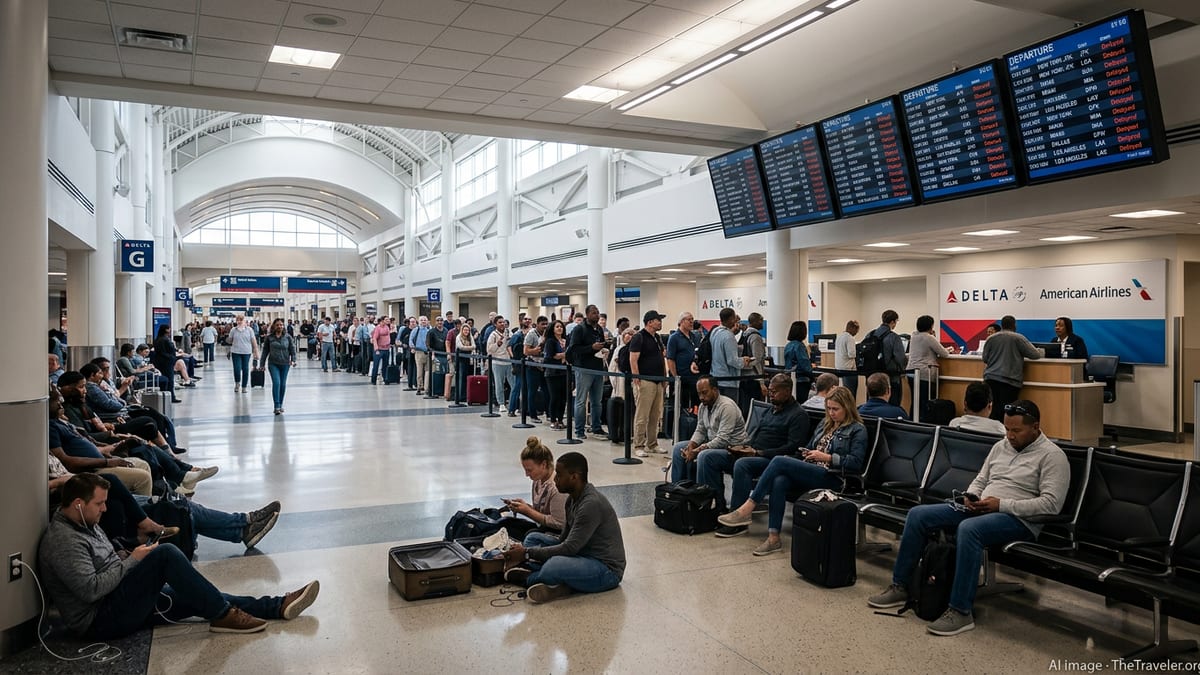
Three-Day Weekend Drives Heavy Passenger Volumes
Juneteenth National Independence Day, observed this year on Friday, June 19, 2026, has quickly evolved into one of the summer’s first major travel spikes. Publicly available federal calendars show that most government offices and many financial institutions are closed, effectively creating a three-day weekend for millions of workers.
Travel planners and holiday countdown services have been flagging the 2026 date for months, noting that a Friday observance typically encourages short leisure trips and family reunions. Early indicators on social platforms and booking forums suggest strong demand for flights, rental cars and intercity buses in the days leading up to the holiday, particularly from major metropolitan areas.
Online discussions among travelers point to packed departure halls from Thursday evening onward, as workers attempt to leave directly after office hours. With Juneteenth still a relatively new federal holiday, some passengers report being caught off guard by how quickly fares rose and how limited seat availability became on popular routes.
The growing prominence of Juneteenth observances, parades and cultural festivals across the country is adding a new layer of seasonal demand that sits between Memorial Day and the peak July travel period, reshaping summer patterns on both the roads and in the skies.
Storm Systems Compound Airline Delays
In the air, weather-sensitive hubs are experiencing particular strain. Recent travel waivers issued for severe weather in Houston and across parts of the Midwest, highlighted in publicly accessible airline notices and traveler forums, have spilled disruption into the Juneteenth period as carriers work through residual backlogs.
Passengers connecting through major hubs such as Chicago and Houston report rolling delays and gate changes as airlines attempt to reposition aircraft displaced by earlier thunderstorms. Crowdsourced accounts from airport lounges and gate areas describe long lines at customer service desks and busy self-service rebooking kiosks, with some travelers being shifted to later departures or alternate routings.
Weather coverage for the holiday period points to contrasting conditions across regions, with cooler air trailing a cold front in some central states while elevated fire weather risk and heat advisories persist in parts of the West. These patterns increase the likelihood of tactical delays, reroutes and ground stops, especially in the late afternoon and evening when thunderstorms and reduced visibility are more common.
Industry data and aviation analyses consistently show that such weather-driven slowdowns can cascade throughout the network, amplifying minor schedule changes into widespread delays as aircraft and crews miss their planned rotations.
Highways Jam as Drivers Chase the First Summer Escape
On the ground, holiday traffic is surging along key interstate corridors, particularly in regions where Juneteenth coincides with local events or sports fixtures. In Washington state, King County has warned of altered transit service and road closures around downtown Seattle on June 19 due to both the holiday and a major soccer match, signaling potential bottlenecks for commuters and visitors alike.
State transportation departments around the country have posted special hauling and oversize-load restrictions for June 19, according to public holiday notice bulletins from states including New York, Maryland and Maine. These rules are designed to keep extra-large trucks off the roads during peak holiday travel windows, but they also concentrate standard freight and passenger traffic into the same limited hours.
Anecdotal reports from regional corridors, including coastal routes and approaches to popular beach and lake destinations, describe longer-than-usual evening commutes as residents who do not receive the holiday off share the roads with those starting their break early. Some drivers on community forums note that they underestimated the impact of the added federal holiday and were surprised by the extent of Friday congestion.
Transportation planners have previously observed that new long-weekend holidays often take several years to settle into predictable travel patterns, suggesting that Juneteenth traffic may remain volatile as drivers and employers adjust.
Service Adjustments and Limited Transit Options
Publicly posted service advisories show that the Juneteenth holiday is also prompting transit schedule changes in major cities. In the Seattle area, local government updates indicate that many county offices are closed and that bus service may operate on modified or reduced schedules for June 19. Other metropolitan systems, including those in Southern California, have issued similar alerts, with some rail and bus lines shifting to Saturday or holiday timetables.
These adjustments can complicate travel plans for airport workers and passengers who rely on public transit for early-morning or late-night connections. Riders commenting on transit-focused forums report needing to adjust departure times or turn to ride-hailing services because first and last runs are altered on the holiday.
In addition, postal, banking and some municipal closures are affecting travel-related errands such as passport services, document processing and vehicle registrations. While these changes do not directly cause delays on highways or runways, they contribute to the broader sense of disruption around the holiday period.
Travelers heading to large Juneteenth events and festivals are also contending with localized road closures and parking restrictions near parade routes, civic centers and stadiums, prompting advisories to arrive earlier than usual or consider park-and-ride options where available.
What Travelers Can Expect Through the Weekend
With Juneteenth falling on a Friday in 2026, transportation agencies expect elevated volumes to persist into Sunday as travelers return home in a compressed window. Data from previous holiday weekends show that Sunday afternoon and evening often become pinch points for both air and road travel, particularly where weather and staffing are marginal.
Airlines have signaled through their public-facing waiver policies that they anticipate ongoing weather and capacity challenges around the holiday, giving some passengers limited flexibility to shift dates without additional fees. However, traveler accounts indicate that rebooking options can still be scarce on popular routes, especially for those attempting to depart on the holiday itself.
Highway agencies and toll authorities are encouraging drivers, through public notices and posted calendars, to avoid peak return times where possible and to prepare for slowdowns around major interchanges, construction zones and popular beach or mountain gateways. The addition of a federal holiday in late June is altering the traditional early-summer rhythm, adding a new wave of demand just as schools let out and vacation season ramps up.
As Juneteenth continues to embed itself in the national calendar, transportation networks appear to be in a period of adjustment, with 2026 offering one of the clearest illustrations yet of how the holiday is reshaping the timing and intensity of U.S. travel delays.