


More news on this day
With Cape Town emerging as a homeport hub on Southern African cruise itineraries, a growing number of passengers are stepping off their ships not only for wine and scenery, but to sample South Africa’s formidable sporting culture ashore.
Get the latest news straight to your inbox!
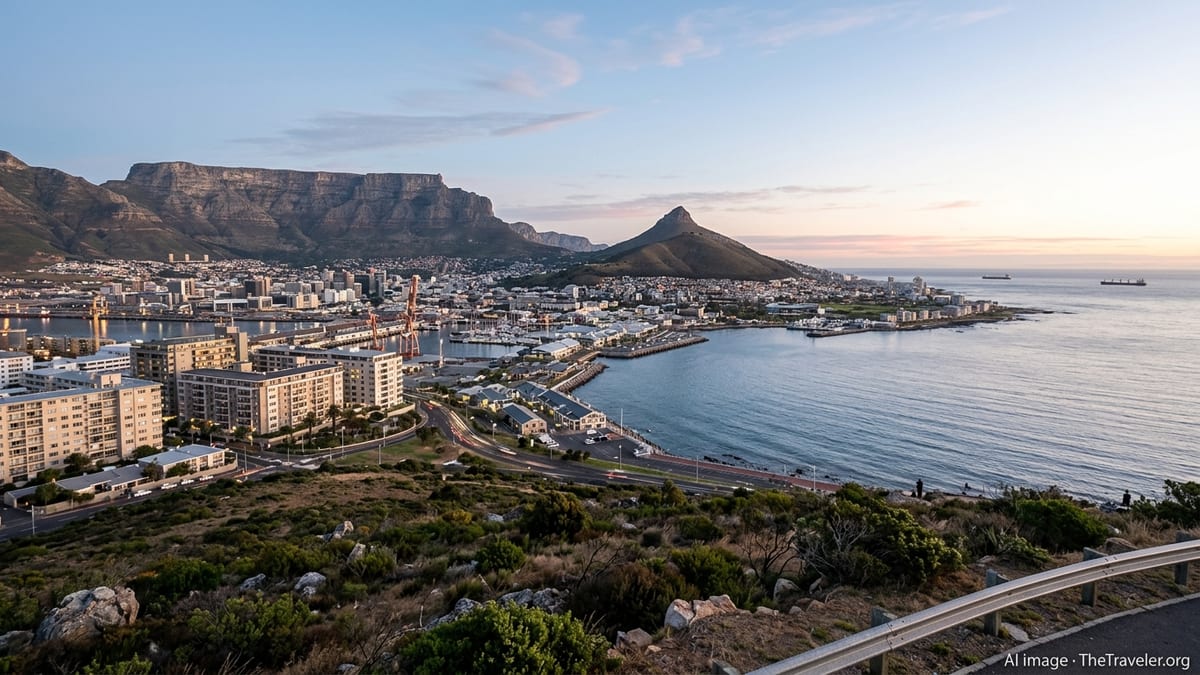
Cape Town’s Cruise Boom Meets a Sports-Mad City
The Port of Cape Town’s dedicated cruise terminal, positioned beside the V&A Waterfront and within sight of Table Mountain, has become a feature on seasonal routes operated by mass-market and luxury lines alike. Recent industry reports indicate that the city handled dozens of ship calls in the 2024 and 2025 seasons, injecting well over a billion rand into the local economy and underpinning plans for expanded facilities at the waterfront precinct.
Cruise-focused travel advisories for the 2025 and 2026 seasons highlight Cape Town’s shift from a simple turnaround point to a homeport, with ships such as MSC Opera and high-end vessels from Regent Seven Seas and Cunard scheduling multiple departures. Operators promote the city as a gateway not only to the Winelands and wildlife reserves, but also to an unusually dense cluster of stadiums, golf courses and outdoor playgrounds within a short drive of the terminal.
Publicly available coverage from local tourism bodies notes that the cruise terminal sits only a few kilometres from Cape Town’s central business district, with efficient access to Atlantic seaboard beaches and southern suburbs. For passengers willing to trade a city tour for a more active day ashore, that proximity translates into a menu of sporting experiences that can be completed in a single port call.
From World Cup Stadiums to Grassroots Fixtures
Cape Town’s modern sports infrastructure was reshaped for the 2010 FIFA World Cup, and cruise passengers now find that legacy on the waterfront skyline. Cape Town Stadium, rebranded as DHL Stadium for sponsorship reasons, lies in Green Point between Signal Hill and the Atlantic Ocean, a short transfer from the cruise terminal. The arena regularly hosts top-flight football and rugby, including domestic league matches and international rugby sevens tournaments that attract visitors during the Southern Hemisphere summer.
According to city tourism fact sheets, the Green Point precinct surrounding the stadium doubles as a public park and fitness zone, with running paths, outdoor gyms and cycle routes drawing residents and visitors throughout the week. On non-match days, guided tours and event calendars give time-pressed cruise guests the option of combining a stadium visit with a walk along the Atlantic seaboard or a stop in nearby neighbourhoods such as Sea Point.
Beyond the flagship venue, Cape Town’s long-established grounds remain active. Newlands Cricket Ground and Newlands Rugby Stadium in the southern suburbs continue to host domestic and international fixtures, particularly during the December to March window when cruise arrivals peak. Match schedules published by sports federations often coincide with port calls, creating opportunities for passengers to purchase day tickets and experience South Africa’s cricket and rugby traditions first-hand.
Sports venue assessments released in recent years list additional multi-use arenas and aquatic centres across the metropolitan area, many of which serve community sport as well as occasional major events. For visitors, this network supports a variety of experiences, from attending a high-profile match to watching a local club game at a smaller ground.
Active Excursions: Hiking, Cycling and Ocean Sports
While stadiums showcase South Africa’s professional codes, many cruise passengers are discovering Cape Town as an outdoor adventure destination. Shore-excursion brochures for upcoming seasons place Table Mountain at the top of the agenda, giving guests the choice between taking the aerial cableway or joining guided hikes on well-marked trails that start within a short transfer from the port. Operators emphasise early-morning departures to avoid afternoon winds and to maximise views over the city bowl and Atlantic coast.
The Table Mountain National Park, which stretches along the peninsula, also supports trail running and mountain biking routes popular with local athletes. Some cruise-focused tour companies have introduced small-group cycling excursions that follow quieter roads above Camps Bay and Hout Bay, combining physical activity with photo stops at coastal viewpoints. These itineraries are marketed to relatively fit passengers who want a more strenuous alternative to panoramic bus tours.
Cape Town’s maritime setting adds another layer of options. Public information from the V&A Waterfront highlights stand-up paddleboarding, harbour kayaking and sailing experiences that depart just metres from the cruise berths. On calmer days, visitors can join short paddles that pass working docks, residential marinas and views of the stadium and mountain, returning in time for afternoon embarkation.
Further afield, Boulders Beach near Simon’s Town, known for its colony of African penguins, features prominently in active day trips that combine sea kayaking with wildlife viewing. Itineraries marketed for the 2025 and 2026 cruise seasons typically bundle paddling with coastal hikes in the Cape Point Nature Reserve, appealing to passengers comfortable with a full day of moderate exertion.
Golf, Wine Country Rides and Soft-Adventure Options
For golf enthusiasts, Cape Town’s role as a cruise gateway to the Western Cape’s fairways has become increasingly visible in line-operated excursion catalogues. Courses within an hour’s drive, including seaside layouts along the False Bay coast and parkland tracks in the Winelands, are sold as full-day packages that include transport, green fees and club rentals. These experiences cater to passengers willing to invest most of their port time in a single sport-focused activity.
Cycling in the Winelands is another growing niche. Tour descriptions for upcoming seasons reference e-bike and road cycling routes that wind through vineyards around Stellenbosch and Franschhoek, often paired with tastings and lunch. While these outings are framed as leisure experiences, the terrain and summer heat can be substantial, prompting operators to stress fitness requirements and hydration in their pre-departure information.
Passengers looking for gentler options are not left out. Horse riding on coastal or farm trails, guided beach walks around Bloubergstrand with views back to Table Mountain, and introductory surf lessons at Muizenberg are being positioned as “soft-adventure” alternatives suitable for families and older travellers. Many of these activities are available through independent providers as well as cruise line programmes, although safety briefings advise visitors to confirm accreditation and insurance when booking outside official channels.
Travel media commentary notes that this mix of intensive and lighter sports offerings aligns with a broader trend in cruising, in which passengers seek experiences that balance comfort on board with active exploration ashore. Cape Town’s geography and climate during the main cruise months support that shift, with long, warm days and accessible terrain inviting movement rather than passive sightseeing.
Planning Considerations for Sport-Focused Shore Time
For cruise guests intent on maximising Cape Town’s sporting opportunities, timing and logistics are emerging as key themes in guidance from tour operators and tourism agencies. Many active excursions begin early in the day to account for traffic, weather and embarkation deadlines, and passengers are advised to check sunrise and sunset times as well as prevailing wind conditions when choosing between mountain, ocean or stadium-based activities.
Publicly available safety recommendations highlight the need for appropriate footwear, sun protection and hydration on hikes and cycles, particularly in midsummer. Visitors are also encouraged to familiarise themselves with local conditions, such as rapidly changing mountain weather and strong Atlantic currents, and to use registered guides or instructors for higher-risk pursuits like surfing or open-ocean paddling.
Currency fluctuations and exchange controls mean that pre-booked excursions in foreign currencies can offer price predictability compared with paying on the day, though independent travellers may still find value by booking directly with local operators. Reports from the past two cruise seasons suggest that high-demand activities, including summit hikes on clear-weather days and match tickets for major rugby or cricket fixtures, often sell out well in advance.
As Cape Town’s cruise calendar for 2026 and beyond continues to fill, industry observers expect sports-related shore time to play an ever-greater role in how passengers experience the city. From world-class stadiums to scenic trails and surf breaks, the Mother City is positioning its sporting assets as a compelling reason for cruise travellers to lace up their shoes the moment they disembark.