


More news on this day
Carnival Cruise Line’s first dedicated solar eclipse cruise is drawing attention not only for its rare sky‑watching itinerary but also for what it will not offer: the priority benefits typically extended to top‑tier loyalty guests and suite passengers.
Get the latest news straight to your inbox!
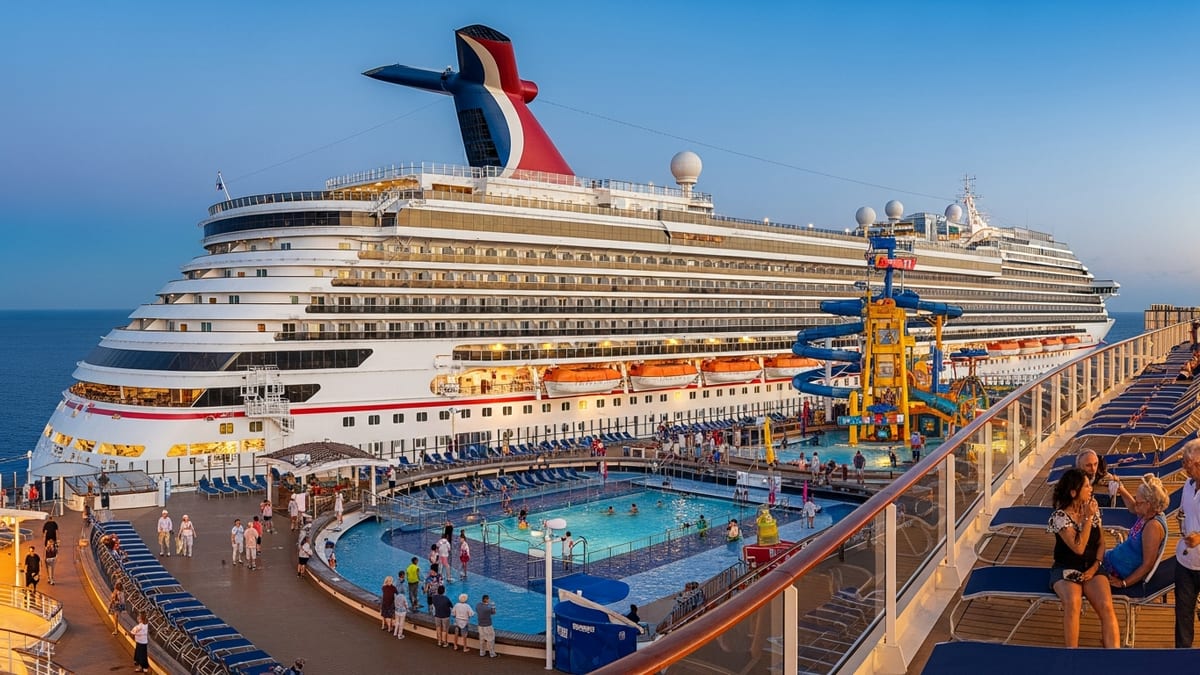
A Special-Event Itinerary With Unusual Fine Print
The eclipse-themed voyage, timed to track a total solar eclipse at sea, is being marketed as a bucket-list sailing with a one-off itinerary and premium pricing. However, publicly available information and passenger discussions indicate that the cruise will operate under modified service parameters that exclude standard priority privileges tied to Carnival’s VIFP (Very Important Fun Person) loyalty program.
Travelers booked into higher loyalty tiers, as well as those in suites who usually receive expedited embarkation and debarkation, report being notified that these benefits will not be available on the special sailing. Similar notifications have appeared around select high-demand itineraries, suggesting that the eclipse cruise is being handled more like a charter-style or event sailing than a standard departure.
The decision is prompting close scrutiny from repeat guests who often choose specific sailings based partly on the convenience offered by loyalty perks at the terminal, in ports that require water shuttles, and on the final morning of the cruise.
How Carnival Priority Benefits Normally Work
Under Carnival’s published guidelines for U.S. and Europe departures, Diamond and Platinum VIFP members, along with many suite guests, typically receive priority check-in and boarding, preferential luggage handling, early access to staterooms, and priority debarkation in homeports. On itineraries that use water shuttles instead of docking directly, these guests are generally offered priority access to the tendering process.
The line also offers a paid program that, on many sailings, mirrors several of these benefits for non-elite guests. Together, the loyalty and paid-priority options form an important part of the value proposition for frequent cruisers who plan embarkation and return-travel times around the expectation of being among the first on and off the ship.
On the eclipse cruise, reports indicate that terminal flows, shuttle capacity, and port logistics have led the company to suspend some of these elements. That leaves all travelers on a more level footing for boarding and disembarkation, regardless of their loyalty status, and places a greater emphasis on scheduled arrival windows and standard self-assist procedures.
Passenger Reaction Highlights Loyalty Expectations
Reaction from Carnival regulars has been mixed. Some travelers view the eclipse sailing as a one-time event where the rarity of the celestial display outweighs the loss of perks such as shorter lines or priority luggage delivery. For these guests, the itinerary itself and the chance to witness a total solar eclipse from open water remain the primary selling points.
Others argue that the removal of priority benefits on a highly promoted, premium-priced cruise undercuts the long-term value of investing in a loyalty program. Frequent cruisers often build their vacation patterns around climbing status tiers, with expectations shaped by past experiences in which benefits were consistently honored across different ships and routes.
Online discussions show some guests reassessing whether to select future sailings primarily based on destination and price rather than brand loyalty and tiered perks. The eclipse cruise has therefore become part of a broader conversation about how cruise lines balance exclusive experiences, crowd management, and recognition for repeat customers.
Operational Pressures on High-Demand Sailings
The removal of priority privileges on the eclipse voyage also reflects the operational pressures that can accompany special-event itineraries. With demand concentrated on a single departure that must match the timing of the eclipse path, the ship is expected to sail near or at capacity. Managing thousands of guests through security, check-in, and luggage processes in a constrained time window can make multiple layers of priority access more difficult to execute smoothly.
Port infrastructure is another key factor. Not all terminals and ports of call have the physical layout to support separate queues, security channels, or staging areas for multiple priority groups when the ship is full. In such cases, consolidating guests into a streamlined procedure can reduce confusion, even if it eliminates some of the advantages typically offered to elite tiers.
Industry observers note that other cruise lines have similarly adjusted or suspended loyalty benefits on certain special sailings, such as world cruises, themed voyages, or heavily chartered departures. The Carnival eclipse cruise appears to fit that pattern, with logistics and crowd control taking precedence over standard benefit matrices.
What It Signals for the Future of Cruise Loyalty Programs
The eclipse sailing is contributing to ongoing debate about the direction of cruise loyalty programs as ships grow larger and high-status membership becomes more common. As more travelers reach upper tiers and more cabins are sold as suites, the pool of guests entitled to priority treatment expands, putting further strain on systems originally designed for a small minority of passengers.
Analysts suggest that cruise lines may increasingly reserve the right to modify or withhold priority benefits on a sailing-by-sailing basis, especially on peak holiday weeks, unique itineraries, or voyages tied to rare events like eclipses. That approach allows operators to adapt to operational realities but may require clearer communication to avoid disappointing guests who planned around specific perks.
For consumers, the eclipse cruise serves as a reminder to read sailing details closely and to treat loyalty benefits as conditional rather than guaranteed, especially on itineraries marketed as once-in-a-lifetime experiences. While the rare view of a total solar eclipse at sea is likely to remain the central memory of the voyage, the handling of priority perks is already shaping how many repeat cruisers think about value, status, and flexibility on future trips.