


More news on this day
Australian travellers are looking beyond Europe’s crowded laneways and toward Kazakhstan’s open steppe, as fresh tourism data, relaxed entry rules and new tour offerings converge to turn the Central Asian republic into a rising star of Silk Road adventure travel.
Get the latest news straight to your inbox!
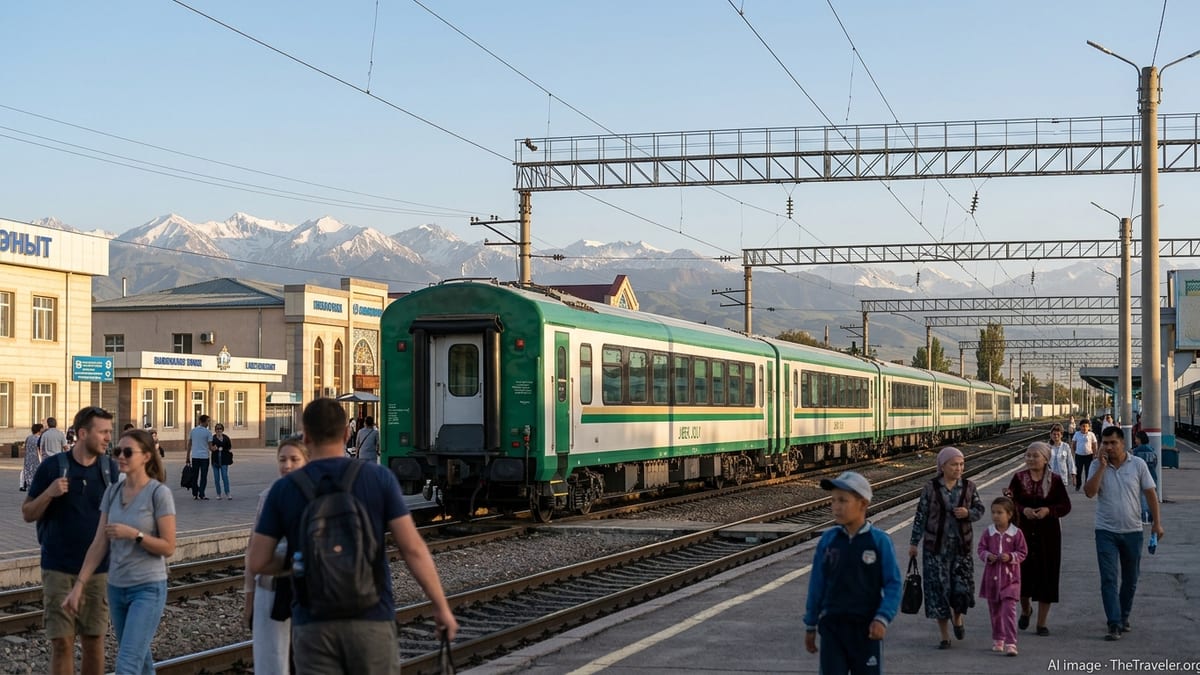
From Niche Curiosity to Emerging Long-Haul Hotspot
Publicly available figures from Kazakhstan’s tourism authorities indicate that international arrivals have surged in 2024, with hundreds of thousands of foreign visitors entering the country over peak travel periods. While neighbouring markets in Central and East Asia still dominate, tour operators and industry briefings point to Australia as one of the fastest growing long-haul source markets, helped by a broader post-pandemic search for less familiar destinations.
Australian travel agencies specialising in Central Asia report that enquiries for Kazakhstan itineraries have risen markedly over the past 18 months, often bundled with neighbouring “Stan” countries on multi week journeys. Package descriptions highlight Kazakhstan’s mix of Soviet era cities, alpine scenery and desert canyons, positioning it as the spacious, affordable alternative to more established European touring routes.
Industry marketing materials suggest that cost is a central driver. With airfares into Europe remaining high and on the ground prices in major EU capitals elevated, Kazakhstan and its neighbours are being promoted as offering more days on the road for the same budget, particularly for adventure and photographic expeditions that once defaulted to the Alps or Dolomites.
Visa Free Access Simplifies the Silk Road Leap
Practical entry rules are reinforcing the trend. Kazakhstan’s visa and migration portals confirm that citizens of Australia can enter visa free for stays of up to 30 days, provided they meet standard passport and entry conditions. This removes a traditional barrier for Central Asian travel, where complex visa regimes once discouraged casual visitors from distant markets.
Australian government travel advisories echo that short stays are visa free, while emphasising that border controls and registration requirements should still be checked before departure. The combination of straightforward entry, growing English language information and a dense domestic flight and rail network is being promoted by tour planners as making Kazakhstan an easier first step into Central Asia than many travellers expect.
For Australians accustomed to planning European rail loops or campervan routes, the message from operators is that Kazakhstan’s infrastructure now supports comparable multi stop journeys between cities and national parks, without the need for specialist expedition style logistics on most classic itineraries.
Adventure Capital Almaty and the New Silk Road Circuits
Almaty, Kazakhstan’s largest city and former capital, is emerging as the main gateway for Australian adventurers. Travel features in international media describe the city as a “tourism capital,” framed by the Tien Shan mountains and within day trip distance of high altitude lakes, ski slopes and glacier fed valleys. Nearby Shymbulak ski resort and the Big Almaty Lake are regularly highlighted as winter sports and summer hiking draws.
Further afield, tour programmes marketed in Australia link Almaty with the canyons and alpine lakes of south east Kazakhstan and onward to historic Silk Road hubs in the Turkistan region. Charyn Canyon, often compared visually with parts of the American Southwest, and the Kolsai and Kaindy lake districts feature heavily in promotional material for photography and trekking groups.
Multi country Silk Road expeditions build Kazakhstan into longer loops that include Kyrgyzstan, Uzbekistan and Tajikistan, following historic caravan routes and modern highways across high passes and desert basins. These itineraries are being pitched in Australian brochures as a “new overland classic,” replacing or complementing once popular backpacker trails through Western Europe or Southeast Asia.
UNESCO Routes and Nature Reserves Add Cultural Depth
Kazakhstan’s expanding roster of UNESCO recognised Silk Road corridors is another selling point in the Australian market. Cultural listings such as the Chang’an Tianshan route and the Volga Caspian corridor, which include sites in southern and western Kazakhstan, feature prominently in destination briefings aimed at travellers seeking history as well as scenery. Tours frequently combine mausoleums, caravanserai sites and museum stops with overnight stays in modern hotels or traditional style guesthouses.
On the nature front, reserves like Aksu Zhabagly and Sayram Ugam in the south of the country are gaining attention among Australian birdwatchers and hikers. Public information outlines marked trails, horseback routes and limited vehicle access, underscoring Kazakhstan’s attempt to balance conservation with controlled tourism growth in biodiverse mountain and steppe ecosystems.
For Australian visitors used to tightly regulated national parks at home, these Central Asian landscapes are promoted as both familiar in their conservation goals and strikingly different in scale, with sweeping valleys, semi desert plateaus and high passes that can still feel largely empty outside peak domestic holiday periods.
Air Connections, Climate Considerations and Next Steps
Kazakhstan’s flag carrier group has reported robust growth in international traffic and is marketing Almaty and Astana as transfer hubs between Europe and Asia. Although there are currently no non stop flights from Australian cities to Kazakhstan, routing via key Asian gateways or Gulf hubs keeps total travel time broadly comparable with journeys to parts of Europe. Travel agents in Australia are building Kazakhstan into round the world style tickets and multi stop Asia itineraries to soften the perceived distance.
Seasonality is also shaping Australian demand. National Geographic and other travel outlets have recently spotlighted Kazakhstan as a timely destination in 2024 and 2025, pointing to relatively cool mountain summers and snow sure winters in the Tien Shan as the global climate shifts. This aligns with a wider consumer move toward shoulder season and high latitude travel to avoid extreme heat in traditional summer hotspots.
As Kazakhstan pursues an official target of lifting annual tourist numbers into the tens of millions over the coming years, Australian visitors remain a small but influential segment, particularly in high value adventure and special interest travel. Industry observers note that the challenge will be to manage growth so that the wide open, lightly trafficked feel now luring Australians to the steppe and Silk Road remains part of the country’s appeal, even as its profile rises on the global tourism map.