


More news on this day
The United States has sharply tightened its guidance for trips to Kenya, raising the country’s travel advisory to Level 3 and urging Americans to reconsider visits amid concerns over crime, sexual assaults, kidnappings and health risks in one of East Africa’s most popular vacation spots.
Get the latest news straight to your inbox!
Advisory upgraded as security and health concerns grow
Publicly available information from the US State Department shows that Kenya’s advisory was updated on October 19, 2026, moving from Level 2, where travelers are urged to exercise increased caution, to Level 3, which advises Americans to reconsider travel. The notice cites a combination of health risks, crime, kidnapping, terrorism, civil unrest and traffic safety as reasons for the change.
The Kenya advisory notes that violent crime can occur at any time, including armed robbery, carjacking and home invasion. Petty crime such as pickpocketing and bag snatching is described as common in urban centers and tourist areas, and travelers are warned that local police responses may be limited, especially outside major cities.
Health considerations are also highlighted. The advisory points to constraints in the country’s medical system, especially in rural regions, and cautions that some facilities lack essential medicines or equipment. Travelers are advised that serious illnesses or injuries may require medical evacuation at their own expense and that many clinics and hospitals will not provide treatment without upfront payment.
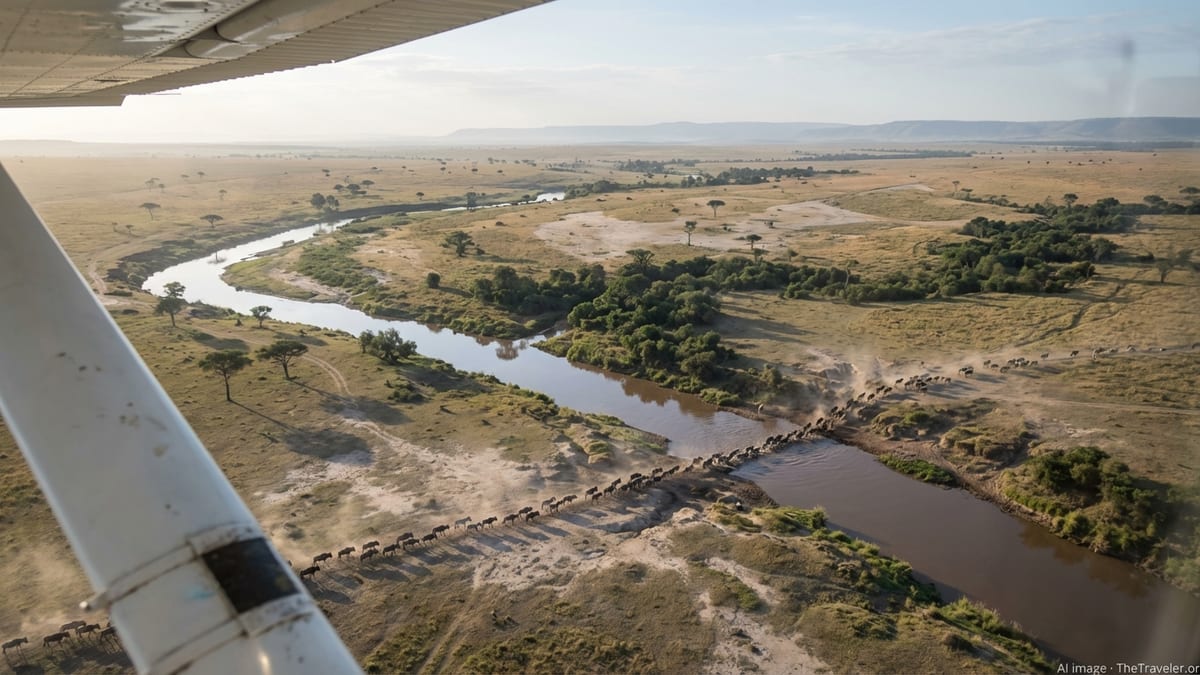
Kenya remains a key gateway for East African tourism, drawing visitors to national parks such as Maasai Mara, Amboseli and Tsavo. Government tourism figures cited in published coverage indicate that the country welcomed about 2.7 million international visitors in 2025, with travelers from the Americas accounting for a notable share of arrivals, underscoring the potential impact of the upgraded US guidance.
Specific warnings on sexual assaults, kidnappings and scams
In the latest advisory language, US officials single out risks that are of particular concern to leisure travelers. Public guidance notes that some Americans have been sexually assaulted in bars, resorts and hotels, including in areas that are popular with international tourists. Visitors are urged to remain cautious with alcohol use, avoid leaving drinks unattended and be wary of social invitations from strangers or new acquaintances met in nightlife settings.
The advisory also flags kidnapping as a risk in certain parts of the country. Americans are told to avoid specific Nairobi neighborhoods, including Eastleigh and Kibera, due to crime and kidnapping concerns. Several counties along Kenya’s borders, as well as areas near the frontier with Ethiopia and Somalia, are marked as places where the threat from extremist groups, banditry and abductions is elevated.
Alongside physical threats, the State Department’s country information details financial crimes affecting visitors. Reports describe Americans being targeted in investment schemes, particularly involving gold and other high-value commodities, where promised returns never materialize and local authorities may not be able to recover losses. Property disputes are also highlighted, with cases in which foreign buyers who invested in land, churches or businesses later lost access after competing ownership claims emerged.
These warnings mirror broader US guidance on travel-related crime worldwide, which has increasingly emphasized risks such as sexual violence, human trafficking and kidnapping in international tourism hubs. Health and safety organizations recommend that travelers research local crime patterns, consider using vetted transportation and avoid displaying valuables or large amounts of cash in public.
Tourist hubs under scrutiny, from Nairobi to the coast
The new Kenya advisory distinguishes between different parts of the country, stressing that risk levels can vary significantly between neighborhoods and regions. While not all tourism areas carry the same level of concern, the guidance notes that crime can occur in both urban and resort settings, including popular beaches and safari gateways.
In Nairobi, Americans are encouraged to be particularly careful in crowded markets, bus stations and certain central districts where thefts and occasional violent incidents have been reported. Some parts of the city are subject to a stronger “do not travel” recommendation because of concentrated crime and kidnapping risk. Travelers are advised to rely on reputable hotels, avoid walking alone at night and use trusted transportation providers.
On the coast, resort areas along the Indian Ocean remain major draws for international tourists seeking beaches and water sports. Publicly available advisories state that visitors should watch for opportunistic crime around vacation rentals, beaches and nightlife zones, especially where there is limited private security. Holidaymakers are urged to secure doors and windows, lock valuables out of sight and be cautious when accepting invitations onto private boats or into secluded areas.
Kenya’s wildlife reserves and conservancies, which host safari lodges and camps, typically involve organized transport and guided excursions. Even so, the advisory encourages travelers to confirm safety standards with tour operators, stay informed about any regional security developments and avoid traveling after dark on rural roads, where vehicle breakdowns, poor lighting and the possibility of ambush or roadside crime raise the level of risk.
How the Kenya warning fits into global travel risk patterns
The raised alert for Kenya comes amid a broader pattern of updated US travel advisories for popular destinations. Recent notices have highlighted crime, civil unrest, terrorism and kidnapping in parts of Latin America, North Africa and the Caribbean, reflecting what public documents describe as evolving security environments in many tourist regions.
In July 2026, for example, the State Department’s advisory for The Bahamas, a major beach and cruise destination, was updated at Level 2 to emphasize concerns about armed robberies, burglaries and sexual assaults, particularly in and around Nassau and Freeport. Travelers were told to exercise increased caution in certain neighborhoods and to stay alert when using vacation rentals without dedicated security staff.
Elsewhere, US embassy messages for specific coastal or island destinations have called attention to targeted attacks or terrorism-related threats around key dates, even when the overall country advisory level remains unchanged. These localized alerts often urge travelers to avoid large crowds and demonstrations and to pay close attention to any security perimeter established around tourist attractions or religious sites.
Analysts who track travel risk say that advisories do not prohibit Americans from visiting a country but are designed to help individuals weigh potential dangers before booking. In the case of Kenya, the shift from Level 2 to Level 3 signals a higher level of concern, particularly for independent travelers, solo visitors and those planning to spend time outside well-secured accommodations or major tour circuits.
What travelers can do if they keep Kenya on their itinerary
Despite the strengthened warning, Kenya is expected to remain on many travelers’ wish lists, particularly for safari itineraries and coastal holidays. Safety specialists note that visitors who decide to proceed can take several practical steps to reduce risk, starting with carefully reviewing the full State Department advisory for Kenya and any recent security alerts issued by the US embassy in Nairobi.
Travel medicine guidance recommends that visitors schedule a pre-trip consultation to discuss recommended vaccinations, malaria prevention and other health measures. Because the advisory warns that serious medical issues may require evacuation, comprehensive travel insurance that includes medical evacuation coverage and upfront hospital payment support is considered an important safeguard.
On the ground, travelers are urged to keep a low profile, avoid public demonstrations, limit nighttime movements and use hotel safes or other secure storage for passports and electronics. Many advisories suggest sharing itineraries with trusted contacts at home and setting up regular check-in times, particularly when traveling to rural areas or regions with known security concerns.
For travelers who are flexible, some tour planners suggest focusing on better-secured national parks and private conservancies reachable by domestic flights rather than long overland drives. Others may choose to postpone or reroute trips to destinations with lower advisory levels or different risk profiles while monitoring future updates to Kenya’s status on the State Department’s public travel advisory website.