


More news on this day
The United States has updated its travel advisory for Israel, warning US citizens of a growing threat from Iran-backed Houthi militants and the potential for rapidly escalating regional hostilities that could disrupt air travel and maritime routes around the country.
Get the latest news straight to your inbox!
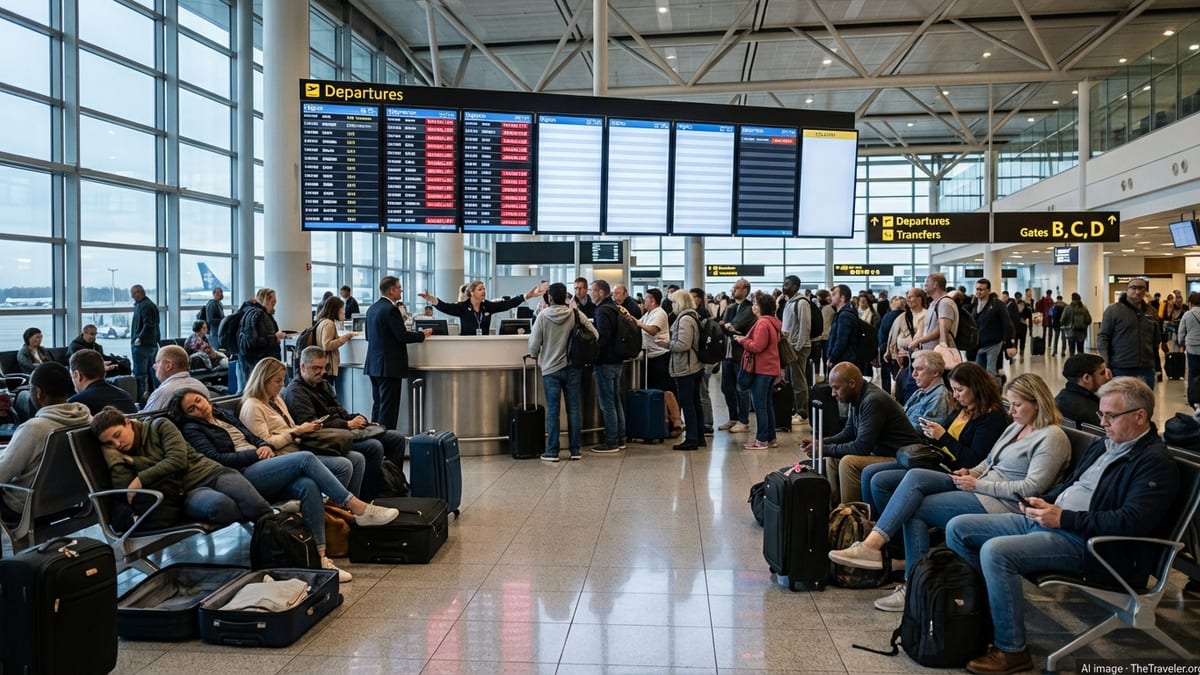
Advisory keeps Israel at Level 3 but highlights new risks
According to publicly available information from the US State Department, the latest update keeps Israel at Level 3, which urges US citizens to reconsider travel, while maintaining Level 4 restrictions in certain border areas near Gaza, Lebanon and Syria. The change on October 24 focuses on the evolving security environment rather than altering the overall risk category for most of the country.
Published coverage indicates that the advisory now underscores the possibility of armed attacks by Yemen’s Houthi movement directed toward Israel or regional infrastructure, as well as the risk that hostilities could widen with little warning. The notice follows a broader pattern of security messages from US embassies across the Middle East over the past week highlighting the same threat.
Travelers are advised in official guidance to review not only the country advisory for Israel but also the State Department’s worldwide caution and destination-specific alerts before finalizing itineraries. The language stresses that conditions may deteriorate quickly and that commercial transportation links, including flights, could be affected with limited options for departure.
Houthi attacks reshape regional aviation and shipping picture
Reports from regional and international outlets describe an uptick in Houthi attacks against Saudi Arabia in October, including incidents targeting King Khalid International Airport in Riyadh and other critical infrastructure, which have resulted in casualties and disruptions to air traffic. US security alerts circulated by several Middle Eastern embassies this month urge travelers to be prepared for sudden flight cancellations, airspace closures and schedule changes tied to Houthi operations.
Maritime advisories from US transportation authorities remain active for the Red Sea, Bab el Mandeb Strait, Gulf of Aden and adjacent waters, citing the continued potential for attacks on commercial vessels even though no large-scale incidents have been reported since a ceasefire period in late 2025. Earlier Houthi strikes on merchant shipping in these corridors prompted rerouting of international traffic and higher costs for carriers operating between Asia and Europe.
For travelers heading to or from Israel, these dynamics mean that flight paths, connection points and cruise or ferry routes that cross Red Sea or Arabian Sea airspace and waters may be vulnerable to knock-on effects from the Yemen conflict. Industry notices suggest that airlines and shipping companies are regularly reassessing routings, sometimes with minimal advance warning to passengers.
Coordinated alerts span Israel and neighboring countries
In recent weeks, US diplomatic missions across the region have issued nearly simultaneous security messages pointing to the Houthi threat. Coverage of these alerts notes that Americans in Israel, Saudi Arabia, Bahrain, Jordan, Kuwait, Lebanon, Oman, Qatar, the United Arab Emirates and Iraq have been advised to exercise heightened vigilance and monitor local media for updates.
A security alert from the US mission in Israel in September already referenced the possibility that intensified fighting between the Houthis and a Saudi-led coalition could affect travelers far from Yemen itself. The updated October advisory builds on that signal, making clear that developments in the Red Sea and Arabian Peninsula may have consequences for airports, ports and overflight corridors used by visitors to Israel.
Travel analysts observing these moves describe an unusual level of regional synchronization in US messaging, with advisories and alerts across several countries now explicitly mentioning the Houthis and potential Iranian support. The coordinated approach underlines concern that individual incidents in one state could create cascading effects throughout the eastern Mediterranean and Gulf travel networks.
Practical implications for US travelers planning trips to Israel
The revised guidance does not prohibit private US citizens from visiting most parts of Israel, but it encourages travelers to undertake more detailed preparation. Public information from the State Department recommends that visitors enroll in the Smart Traveler Enrollment Program so they can receive security alerts directly and be easier to contact in an emergency.
Travelers are advised to maintain flexible itineraries, including refundable or changeable tickets where possible, in case of sudden route diversions or airport disruptions linked to regional security developments. Airlines serving Israel have previously adjusted schedules and flight paths during periods of heightened tension, including rerouting to avoid certain airspace or limiting overnight operations.
US citizens are also urged in existing guidance to avoid border areas designated at Level 4, where travel is not recommended due to the risk of rocket fire, cross-border attacks and military activity. Those planning overland trips involving Jordan, Egypt or Gulf states are encouraged to consult each country’s separate advisory, since the Houthi threat is now referenced across multiple destinations and not solely in connection with Israel.
Growing focus on Iran and its regional partners
The update to Israel’s advisory coincides with renewed emphasis in US government publications on the broader threat landscape tied to Iran and allied groups. A separate advisory for Iran, revised on October 23 and rated at Level 4, highlights both the risk of detention for dual nationals and the potential for attacks on US interests by Iranian-supported actors, including the Houthis.
Worldwide caution notices updated in mid-2026 likewise refer to the possibility that Iran or groups it supports could target American-linked sites, businesses or public gatherings abroad. Analysts note that this framing places the Houthis within a wider constellation of security challenges stretching from the Gulf to the eastern Mediterranean, which together influence how travel risk to Israel is assessed.
For now, there is no indication in public documents that commercial flights to Israel from the United States are being curtailed on a broad basis because of the Houthi threat. However, the latest advisory language signals that this could change if attacks intensify or if regional airspace restrictions expand, reinforcing the importance for travelers of closely tracking conditions not only in Israel, but across the wider Middle East.