


More news on this day
Kenya’s main airports are reporting delays affecting some departing flights, prompting fresh warnings to travelers as operators juggle heavy traffic, terminal changes, and operational constraints.
Get the latest news straight to your inbox!
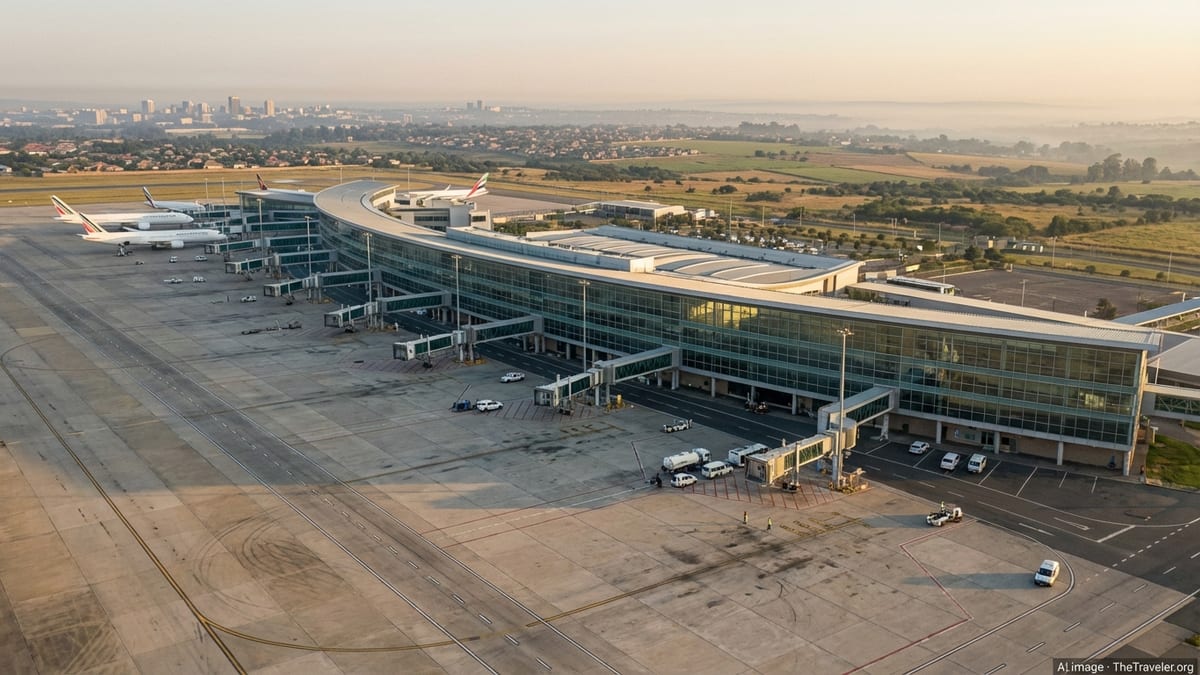
Advisories Highlight Disruptions at Key Kenyan Gateways
Publicly available statements indicate that the Kenya Airports Authority has cautioned passengers that a number of departing flights are experiencing delays across its network, including at Nairobi’s Jomo Kenyatta International Airport (JKIA). The notice, shared on August 30, points to disruption affecting some outbound services while emphasizing efforts to keep core airport operations running.
Reports indicate that airport managers are coordinating with aviation agencies and airlines to ease congestion and keep runways and terminals operating safely. Travelers are being urged to verify their flight status directly with carriers before leaving for the airport and to factor in additional time for check in and security.
Live departure boards for JKIA and other Kenyan airports show a pattern of late departures and revised estimated times for a mix of domestic and regional services, underscoring how delays are being felt unevenly across the schedule rather than as a full shutdown of operations.
The latest advisory comes as Kenyan aviation continues to manage a combination of infrastructure projects, high seasonal demand and airline specific operational pressures, all of which can quickly ripple through tightly timed departure waves.
Infrastructure Works and Terminal Shifts Add Pressure
According to published travel alerts, infrastructure upgrades at JKIA are feeding into the current strain on departure punctuality. Kenya Airways has announced that, from early September, selected flights will move from Terminal 1A to Terminal 1C to accommodate renovation works, while advising customers to leave extra time for check in and screening and to double check their departure terminal on tickets and boarding passes.
Terminal reshuffles during construction typically introduce brief chokepoints at security and boarding gates, especially during busy morning and evening departure banks. Industry coverage notes that JKIA is already operating near capacity at peak times, meaning even small changes in passenger flows can translate into longer queues and knock on delays for outbound flights.
Elsewhere in Nairobi’s aviation system, Wilson Airport is still not back to full operations on its main runway following an extended rehabilitation project. Business reporting shows that night flights on the revamped Runway 07 remain on hold pending final approvals, forcing operators to continue using alternative configurations and limiting flexibility for some regional services.
Together, these infrastructure constraints reduce the overall margin available to absorb late inbound aircraft, adverse weather, or ground handling bottlenecks, making public delay advisories more likely when schedules tighten.
Airline Operational Challenges Amplify Knock On Delays
Recent corporate updates from Kenya Airways point to additional operational headwinds that can compound airport wide disruption. In financial results released in late August, the carrier highlighted persistent global supply chain issues, including the availability of spare parts and extended maintenance turnaround times, which have affected aircraft availability and reliability.
When fleets operate with reduced spare capacity, routine technical issues or unscheduled maintenance can more quickly cascade into delays for onward legs, particularly on multi sector regional routes that hub through JKIA. Travelers on forums and social platforms have repeatedly flagged multi hour delays on some Kenya Airways services over the past two years, reflecting how finely balanced schedules are.
International coverage has also linked a recent runway closure at Cape Town International Airport to a Kenya Airways aircraft that experienced a tyre problem on landing, temporarily halting movements and leading to extended delays for onward flights. While that incident occurred outside Kenya, it illustrates how single aircraft events can reverberate across regional networks and add further strain to already constrained timetables.
Against this backdrop, the current advisories from Kenyan airports about delayed departures are part of a broader pattern in which airline specific operational issues and airport capacity limits intersect, particularly during peak travel periods.
What Departing Passengers Should Expect in the Coming Days
Based on current public advisories and live flight data, travelers departing from JKIA and other major Kenyan airports in the short term should be prepared for potential schedule changes, longer processing times, and gate hold ups, even if their flights ultimately operate as planned. Some departures continue to leave close to schedule, but a noticeable share show revised times or delayed status on online boards.
Published guidance consistently stresses that passengers should confirm the latest timing and terminal information directly with their airline before heading to the airport. This is especially important for those connecting onward through Nairobi to regional destinations, where relatively short transfer windows can be eroded quickly if an initial departure is pushed back.
Travel planners and safari operators are increasingly recommending buffer time in Nairobi for long haul arrivals that feed into domestic or regional flights, reflecting the reality that delays at origin or during transit can affect same day onward departures. Recent traveler discussions emphasize the value of flexible itineraries and comprehensive travel insurance in the current climate.
For now, Kenyan airports remain open and functional, but the combination of infrastructure works, high load factors and airline operational constraints means passengers on some departing flights should expect a less predictable experience than usual and plan accordingly.
Growing Scrutiny on Passenger Experience and Capacity
Local media coverage in August has highlighted rising scrutiny of passenger experience at JKIA, particularly when long queues and processing delays leave travelers waiting late into the evening. Visuals shared in Kenyan outlets and on social media show crowded arrival and departure halls, prompting renewed debate over how well the country’s main international gateway is keeping pace with growing traffic.
Tourism stakeholders argue that bottlenecks at entry and exit points risk undermining Kenya’s efforts to strengthen its position as a hub for both regional business travel and international tourism. When combined with recurring departure delays, crowded terminals can influence overall perceptions of the destination, especially for first time visitors in transit to safari circuits or coastal resorts.
Airports and regulators face mounting pressure to accelerate upgrades, streamline passenger processing, and enhance coordination with airlines so that disruption warnings become less frequent, even during busy seasons. For now, however, the latest advisories on delayed departures serve as a reminder that travelers should build extra time and flexibility into any journey that passes through Kenyan airports in the coming days.