


More news on this day
KLM has extended the suspension of its Amsterdam–Dubai flights until at least late June 2026, prolonging months of disruption for travelers as security concerns and airspace restrictions continue to affect routes across the Middle East.
Get the latest news straight to your inbox!
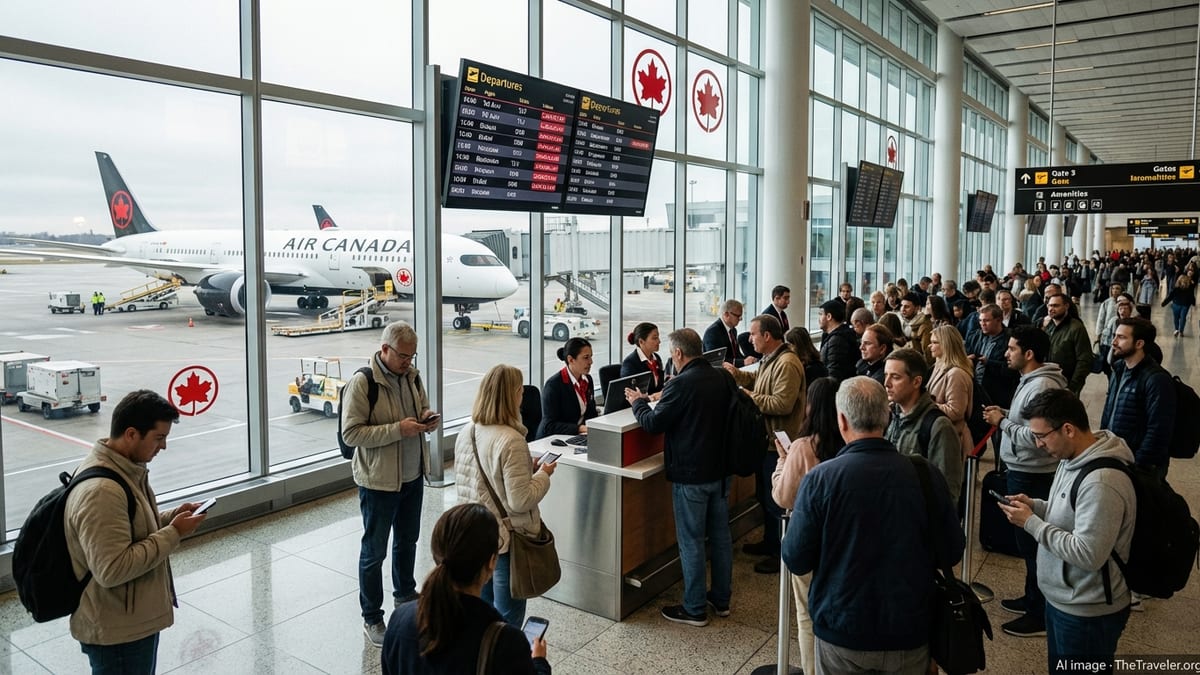
Dubai cancellations now extended to June 28
According to KLM’s latest travel advisory, flights between Amsterdam Schiphol and Dubai remain suspended up to and including Sunday 28 June 2026. The Dutch carrier had already halted operations on the route earlier in the year, but the new guidance confirms that the pause will last well into the northern summer travel season.
The airline’s disruption page indicates that passengers booked to travel to or from Dubai during the suspension window are being offered rebooking and refund options via its digital channels. Customers are advised to manage their trips through the airline’s website or app, where updated itineraries and available alternatives are being displayed.
Operational data from independent flight tracking platforms shows that KLM’s regular Dubai service, including the daily KL428 rotation between Dubai International and Amsterdam, is absent from current schedules. This aligns with previous statements from the airline that all Dubai operations have been temporarily halted for safety and operational reasons.
Industry coverage notes that KLM’s usual Amsterdam–Dubai flights are typically operated by widebody aircraft and form part of a wider network linking Europe with the Gulf. The prolonged cancellation therefore removes a key connection for both business and leisure travelers heading to the United Arab Emirates.
Security and airspace concerns in the Middle East
KLM first suspended flights to Dubai, along with services to Riyadh and Dammam, after tensions in the wider Middle East prompted carriers to reassess routes over and around the Gulf region. Publicly available information from the airline describes the decision as based on safety considerations related to the evolving security situation.
Travel and aviation reports indicate that several countries have introduced temporary airspace restrictions at various points this year, triggering a wave of cancellations and rerouting by carriers operating to and through the region. Dubai International Airport, one of the world’s busiest hubs, has also experienced periods of limited operations, further constraining scheduling options.
Specialist aviation media highlight that KLM, like many European airlines, has been avoiding certain airspace corridors in response to conflict-related risk assessments. Extending the Dubai cancellations into late June suggests that the carrier does not yet consider a return to normal patterns viable, particularly on overnight routes that would traverse affected areas.
Analysts note that by continuing to suspend flights outright rather than operating lengthy detours, the airline is likely seeking to balance passenger safety, aircraft availability, crew duty times and the cost of significantly extended routings.
Impact on passengers and booking options
For travelers, the extension of cancellations means continued uncertainty around existing itineraries and future plans involving Dubai as either a destination or a connecting point. Consumer-focused guidance from travel outlets emphasizes the importance of monitoring bookings closely and checking the status of flights in the days leading up to departure from Amsterdam or onward gateways.
Published information from KLM explains that passengers whose flights are canceled are typically eligible to rebook for alternative dates or request a refund, depending on fare conditions and the specific disruption policy in force. Many travelers are being moved onto later flights beyond the suspension period or rerouted via other hubs where suitable connections are available.
Reports from passenger forums suggest that some customers have experienced delays in rebooking due to limited seat availability across the wider network and elevated demand around peak travel dates. Travel experts advise that affected passengers consider flexible dates and alternative routings within Europe or the Gulf when searching for replacement journeys.
Those with time-sensitive travel, including business trips or onward long haul connections, are being encouraged by consumer advocacy groups to document all communication with airlines and to keep records of any additional expenses, in case compensation or reimbursement is available under applicable passenger rights frameworks.
Broader regional and airline network implications
KLM’s extended Dubai suspension fits into a broader pattern of disruption across the Middle East, where multiple international airlines have trimmed or adjusted services in response to the same security landscape. Coverage in regional and European media underscores that Dubai, Riyadh and Dammam have all seen reductions in non local-carrier capacity in recent months.
The continued gap in KLM’s Dubai schedule also has implications for connectivity at Amsterdam Schiphol, one of Europe’s major transfer hubs. With no direct KLM-operated link to Dubai for at least another month, passengers may be funneled through partner or competitor hubs, potentially altering booking patterns for the remainder of 2026.
From a network planning perspective, analysts point out that retaining aircraft and crew on more predictable routes can support reliability elsewhere in the schedule, particularly within Europe and on transatlantic services. While the Dubai cancellations are disruptive for affected travelers, they may help the airline avoid knock on effects across its wider operation.
Industry observers will be watching closely as the June 28 date approaches to see whether KLM publishes a renewed schedule for Dubai or opts to prolong the suspension again. For now, travelers are being advised to plan on the basis that non stop Amsterdam–Dubai flights with the carrier will not operate before the end of June and to explore alternative routings if travel in the coming weeks is essential.