


More news on this day
A Las Vegas passenger’s on-camera plea that “nobody has answers” has become a snapshot of the confusion and frustration sweeping U.S. airports after a rare nationwide ground stop halted departures on Friday, leaving travelers stranded at Harry Reid International Airport and across the country.
Get the latest news straight to your inbox!
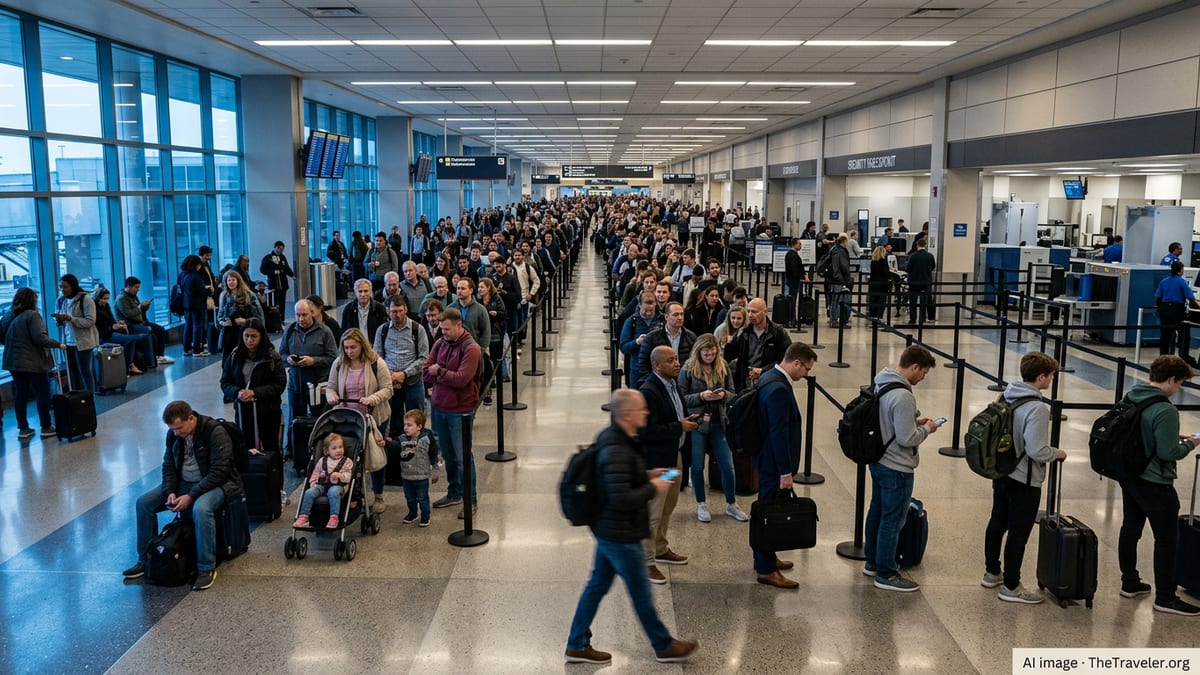
A rare nationwide halt leaves Las Vegas in limbo
The Federal Aviation Administration ordered a nationwide ground stop on November 13, temporarily halting most departures across the United States after a major communications outage. Publicly available information indicates it was the first systemwide halt of U.S. air traffic since a computer failure in January 2023 and only the second since the aftermath of the September 11, 2001 attacks.
At Harry Reid International Airport in Las Vegas, passengers heading into and out of one of the country’s busiest leisure hubs suddenly found their plans on hold. Local television footage from the terminal showed gate areas filling with travelers watching departure boards turn from green to red as flight after flight was marked delayed or canceled.
Reports indicate the nationwide order lasted several hours, with the FAA beginning to lift restrictions on departures on Friday evening. Even after the formal ground stop ended, airlines faced aircraft and crew out of position, setting up a night of rolling disruptions for Las Vegas departures to major markets including Los Angeles, Denver and New York.
According to coverage of the incident, Las Vegas was among several large hubs where departures were paused while planes already in the air were allowed to continue to their destinations. That left many travelers stuck in terminals and on parked aircraft, unsure when they would move again.
Viral video captures a stranded Las Vegas passenger’s frustration
Among the stranded travelers was music executive Clara Pablo, who was attempting to fly home from Las Vegas to New York when the ground stop took effect. In a video interview distributed by CBS News, Pablo described sitting at Harry Reid International Airport as flights across the country were frozen and information from the airlines remained scarce.
In the clip, later shared widely on social platforms, Pablo recounts seeing queues grow at customer service desks as passengers tried to rebook or get clarity on whether they would be able to depart that night. Her remark that “nobody has answers” resonated with many viewers who had experienced similar breakdowns in communication during previous mass disruption events.
Separate local coverage from Las Vegas stations showed other passengers echoing similar concerns, saying they learned of the nationwide halt from news alerts or social media before hearing any clear explanation in the terminal. Announcements over the public address system referenced a nationwide issue affecting all carriers, but travelers told reporters they struggled to get specific estimates on departure times or rebooking options.
Video from the concourses captured the disconnect that often occurs in sudden aviation disruptions: calm-looking gate areas set against message boards filled with cancellations, while individual passengers spoke of missing weddings, work events and tight international connections with little guidance about alternatives.
Harry Reid International Airport feels the shockwaves
Harry Reid International, which handled more than 4 million passengers in September according to recent airport statistics, is heavily dependent on tightly timed domestic connections that feed Las Vegas’ tourism and convention economy. When a nationwide halt ripples through that schedule, the effects reach far beyond the gate areas.
Local broadcast reports from Friday afternoon and evening showed long lines at security checkpoints tapering off as airlines began holding departures and discouraging some travelers from heading to the airport until operations stabilized. Inside the terminal, concession stands and restaurants grew busier as delayed passengers settled in for what many expected to be hours of waiting.
Television video from the concourses showed departure boards listing numerous flights to hubs such as Dallas, Chicago, Seattle and San Francisco as delayed or canceled. Ground footage and online flight-tracking data suggested that some aircraft remained parked at gates for extended periods while crews awaited clearance to depart or instructions on whether flights would be scrubbed entirely.
Local outlets in Las Vegas also highlighted the predicament of visitors who had to decide quickly whether to search for hotel rooms as nighttime delays stretched longer. Travel segments urged stranded passengers to secure accommodations early as major disruptions can quickly drive up prices and reduce availability near the Strip and around the airport.
National disruption with causes still under review
National reporting on the outage indicates the ground stop was linked to a significant failure in FAA communications systems that support air traffic control. Officials in Washington have publicly stated that early checks show no evidence of a cyberattack, describing the incident instead as a technically driven breakdown that triggered safety protocols.
Coverage of federal briefings notes that the order took effect in the late afternoon on the East Coast and spread rapidly across time zones, sweeping in Las Vegas departures in the early evening. The halt stopped new flights from taking off while aircraft already airborne were allowed to continue to their destinations under standard procedures.
Industry analysts quoted in national outlets have emphasized that ground stops are designed to err on the side of caution, with safety prioritized over schedule reliability. The combination of a busy Friday travel window and a systemwide halt, however, meant airports like Las Vegas saw an immediate pileup of delayed departures and missed connections.
By late Friday, the FAA announced that the ground stop had been lifted and that traffic would begin ramping back up. Airlines, however, warned publicly that passengers should expect lingering delays and cancellations into Saturday as crews and aircraft were repositioned and maintenance windows rescheduled.
What travelers through Las Vegas can expect next
Travel experts interviewed across multiple outlets said the disruption is likely to be felt through the weekend, particularly in leisure-heavy markets such as Las Vegas where many trips are tightly planned around events, concerts and sporting fixtures. Passengers with nonessential travel were encouraged in televised reports to monitor their airline apps closely and consider rebooking to less congested times if flexible.
Consumer advocates noted that federal rules require U.S. and foreign carriers to provide prompt refunds when flights are canceled or significantly changed and the passenger chooses not to travel. However, they also pointed out that airlines are generally not required to provide hotel rooms or meal vouchers when disruptions stem from issues considered beyond the carrier’s control, such as nationwide air traffic system failures.
In Las Vegas, that gap can leave visitors facing difficult and often costly choices about whether to extend hotel stays, switch to last-minute rental cars or seek alternative flights from nearby airports. Amtrak and intercity bus operators reported increased interest from travelers nationwide as people looked for other ways to reach destinations while flight schedules remained unstable.
For many passengers like Pablo, the lasting impression of the November 13 ground stop may not be the technology failure itself but the hours of uncertainty that followed. Her video from Harry Reid International, capturing a sea of rolling suitcases and glowing departure boards, has become one of the clearest public windows into what a rare nationwide halt looks like from the terminal floor.