


More news on this day
Passengers caught in a nationwide air travel meltdown are describing a long, uncomfortable night at Palm Springs International Airport, where some travelers say they slept in the terminal with little access to food as flight disruptions dragged into Saturday.
Get the latest news straight to your inbox!
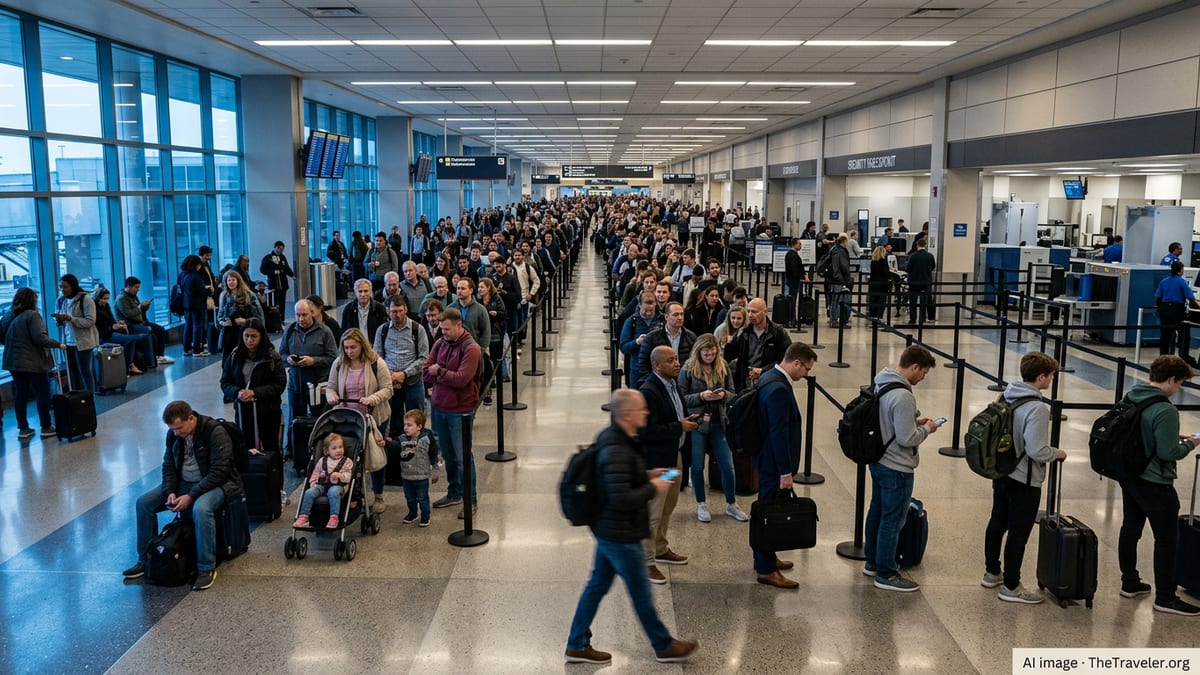
Overnight Strain After Nationwide Ground Stop
The disruption follows a rare nationwide ground stop ordered by the Federal Aviation Administration on Friday, November 13, 2026, after a major systems failure halted most U.S. departures for hours. The halt triggered cascading delays and cancellations across the country as airlines struggled to reposition aircraft and crews once departures resumed.
Publicly available flight status data and local coverage show Palm Springs International Airport was among the California facilities hit by the fallout. Local television reports on Friday indicated that more than a dozen arrivals and departures at Palm Springs were canceled or significantly delayed into the evening, leaving travelers scrambling to rebook as options dwindled.
By late Friday night and into the early hours of Saturday, some passengers reported online that they were settling in for the night inside the Palm Springs terminal after missing connections or learning that the next available departures would not leave until the following day. Several accounts described terminal seating filled with stranded travelers trying to sleep while they waited for rebooked flights.
With the national system still strained on Saturday morning and thousands of flights canceled across the United States, airlines warned that schedule disruptions could last through the weekend. That meant some Palm Springs passengers faced extended uncertainty about when they would actually depart.
Limited Food and Late Operating Hours Compound Discomfort
Frustration among stranded passengers in Palm Springs has been heightened by the airport’s relatively limited food and beverage options, particularly late at night. Airport concession maps and planning documents list a small number of cafes, bars, and grab-and-go outlets, many of which are scheduled to operate primarily in daytime hours, often closing by late afternoon or early evening.
Marketing and customer feedback summaries released by the airport in recent years have noted repeated complaints about limited dining options and high prices at Palm Springs International. Those longstanding concerns took on new urgency during the ground stop, as passengers described difficulty finding open concessions after dark while they waited in the terminal.
While some travelers indicated on social media that they were able to purchase snacks before concessions closed, others reported going for long stretches without being able to buy a meal once stands shut for the night. In user accounts from this and earlier disruptions at other airports, passengers often describe rationing what food they have, relying on vending machines, or going without until morning when operations resume.
Airport documentation does not list 24-hour restaurants or round-the-clock retail services in the Palm Springs terminal, and there is no publicly available evidence that special overnight concessions were added specifically for the November 2026 disruption. As a result, passengers who did not leave the secure area or the airport itself had few options when it came to finding food overnight.
Communication Gaps and Crowded Terminals
Information about what was happening proved almost as scarce as food for some travelers. Across California and the wider U.S. network, passengers affected by the ground stop have described patchy communication from airlines and confusion about which flights would operate once the federal pause was lifted.
Meeting materials for Palm Springs International Airport released prior to this event highlight communication breakdowns between ground staff and passengers during irregular operations as a recurring issue, particularly during delays and schedule disruptions. Those concerns echoed in online comments late Friday, as some travelers expressed frustration at getting only intermittent updates from gate agents or digital displays.
Local news images and video from Friday afternoon showed crowded areas of the Palm Springs terminal as travelers waited near departure gates or lined up at airline counters looking for alternatives. Some passengers opted to leave the airport for hotels or private accommodations, but those who could not secure a room or chose to remain close to their rebooked flights settled in along concourses and seating areas.
Reports from other California airports affected by the same nationwide ground stop, including Sacramento, Fresno, and major hubs such as Los Angeles, indicate that similar communication challenges were widespread. Many passengers learned of the initial ground stop and its eventual lifting from national media or mobile alerts before receiving detailed information from their airlines about specific flights.
What Stranded Passengers Can Expect and Do Next
Publicly available guidance from airlines and airports suggests that travelers stranded in Palm Springs may continue to see ripple effects for at least part of the weekend, as carriers work through backlogs and reposition aircraft. Industry data on Saturday showed thousands of cancellations and additional delays nationwide, with California routes among those affected.
Airlines generally encourage passengers whose flights have been canceled to use mobile apps or websites to rebook rather than waiting in long lines at the airport. However, travelers without easy access to online tools or those needing more complex itineraries often rely on ticket counters, which can become quickly overwhelmed in a mass disruption.
For those still at the airport overnight, consumer advocates and frequent flier groups typically recommend seeking written confirmation of cancellations, asking about hotel or meal vouchers where airline policies allow, and documenting expenses in case of later reimbursement. In Palm Springs, where on-site food and retail options appear limited after hours, stranded travelers may have to weigh the security and convenience of staying in the terminal against the prospect of leaving to find food and lodging in the city.
The November 2026 ground stop has renewed attention on how regional airports such as Palm Springs handle mass disruption events, from concession hours and emergency staffing to communication protocols during cascading delays. As airlines and federal regulators review what went wrong at the national level, affected passengers in the Coachella Valley are left to navigate the immediate, personal consequences of another night spent in the airport.