


More news on this day
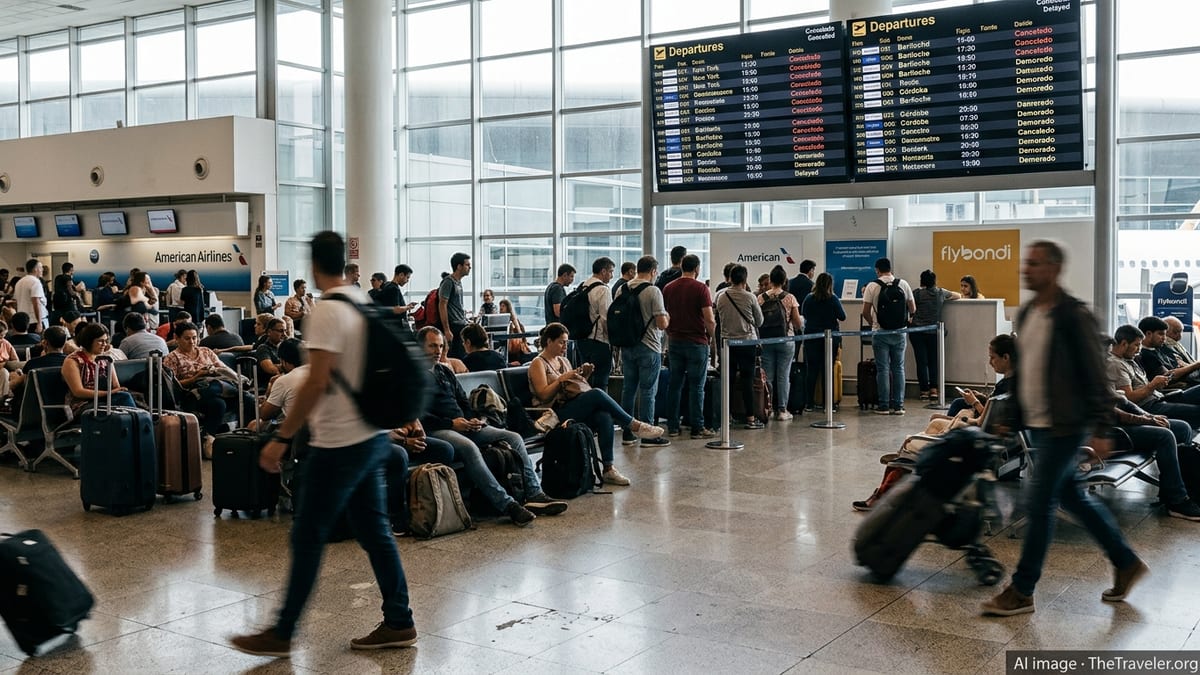
Air travel across Peru faced renewed turbulence this weekend as a wave of cancellations by LATAM and Sky Airline disrupted flights through Lima and Cusco, affecting nearly a dozen services including regional links to Santiago, Arequipa and Puerto Iguazú.
Get the latest news straight to your inbox!
Fresh Cancellations Hit Lima and Cusco Hubs
Peru’s two busiest airports in Lima and Cusco experienced another bout of disruption as multiple LATAM and Sky Airline flights were withdrawn from schedules or heavily adjusted, according to real time flight boards and local aviation coverage. Routes connecting Lima with Cusco, Arequipa and Santiago were among those most affected, alongside select regional services that rely on the country’s main hub for onward connections.
Publicly available flight tracking data for the weekend of May 24 indicated a cluster of cancellations and last minute timetable changes on the Lima to Cusco corridor, which is one of South America’s busiest domestic links. Several LATAM services between the two cities showed revised departure times or operational changes, underscoring how even modest schedule shifts can cascade into missed onward flights for travelers bound for international destinations.
Peruvian and regional media reports have also highlighted recent cancellations on cross border routes serving Chile and Argentina from Lima, including services used by tourists heading to and from Cusco and southern attractions such as Iguazú Falls. The pattern has renewed scrutiny of the resilience of Peru’s air network at a time when travel demand to the country’s marquee destinations continues to rebound.
The disruptions come as airlines are still adapting to operational changes at the new terminal complex serving Lima, as well as seasonal weather patterns that typically complicate flying in and out of the Andean city of Cusco. Industry observers note that any operational strain at these two hubs can quickly ripple across domestic and regional routes.
Pressure Builds on Regional Links to Santiago, Arequipa and Iguazú
The latest cancellations are particularly sensitive on routes that connect key South American tourism and business centers. Flights between Lima and Santiago, traditionally operated by both LATAM and Sky, form an important bridge for travelers moving between Peru and Chile, as well as for long haul passengers transiting through both carriers’ hubs. When Lima to Santiago rotations are cut, travelers often face limited same day alternatives or must accept lengthy overnight layovers.
Domestic connectivity has also come under renewed pressure. Arequipa, Peru’s second city and a major gateway to the Colca Canyon, relies on frequent daily links to Lima and increasingly to Cusco. Any reduction in operations on these legs can complicate multi stop itineraries that combine Machu Picchu, Arequipa and southern Peru in a single trip, forcing travelers and tour operators to rework carefully constructed schedules.
On the regional front, reports from Argentine outlets in recent days have described route withdrawals and schedule changes affecting Lima to Puerto Iguazú, a key access point for the Iguazú Falls on the Argentine side. Although various carriers operate in this market over time, the latest adjustments have contributed to a perception of fragility on secondary international routes that depend heavily on leisure traffic.
Travel industry analysts in the region point out that such routes are often the first to see reductions when airlines face higher operating costs or operational constraints, leaving passengers with fewer nonstop options and greater reliance on multi stop itineraries via Santiago, São Paulo or Buenos Aires.
Underlying Strains: New Airport Fees, Operational Changes and Weather
The recurring pattern of disruptions across Peru’s network cannot be attributed to a single cause. In recent months, Peruvian economic and aviation media have documented how LATAM has been trimming parts of its international portfolio from Lima in response to a revised airport user fee for connecting passengers. Those structural adjustments, which have already led to the cancellation of several international routes from the capital, leave the remaining network more exposed to smaller shocks.
At the same time, Lima’s evolving airport infrastructure has introduced new operational complexities. Airlines have been preparing travelers for a period of adjustment as procedures and traffic flows are updated. Airline guidance to passengers has repeatedly urged travelers to check flight status before heading to the airport and to allow extra time for check in and security while operations stabilize.
Weather is another persistent factor. Cusco’s location in a narrow Andean valley often leads to low visibility and turbulence, which can force last minute schedule changes or the diversion of aircraft. Local travel forums and passenger accounts over the past year frequently describe tight connections in Lima being jeopardized by delays on the Cusco leg, reinforcing recommendations to leave ample buffer time between domestic arrivals and long haul departures.
The combined effect of fee driven route cuts, operational transitions in Lima and seasonal Andean weather has created a complicated backdrop for airlines trying to balance efficiency with reliability. For passengers, the result is a travel environment in which even well planned itineraries may need to be adjusted on short notice.
Impact on Travelers and Tourism to Machu Picchu and Beyond
The immediate impact of the latest cancellations is being felt by passengers who find themselves rebooked, rerouted or temporarily stranded in Lima and Cusco. Published reports and online accounts describe travelers missing onward flights to North America and Europe after domestic segments were delayed or canceled, as well as others forced to shorten or reshuffle stays in Cusco, Arequipa or the Sacred Valley.
Tourism stakeholders have expressed concern in recent months that repeated disruption on the Lima to Cusco corridor undermines confidence among international visitors planning time sensitive trips to Machu Picchu. Many itineraries rely on a narrow window between long haul arrivals into Lima and early morning departures to the Andes, a combination that leaves little room for cascading delays or same day cancellations.
Beyond Cusco, affected routes to Arequipa and Iguazú can have knock on effects for tour operators offering multi country circuits across Peru, Chile and Argentina. Rearranging domestic segments, hotel bookings and guided excursions at short notice can carry significant cost and logistical headaches, particularly during peak travel seasons.
Nonetheless, Peru continues to attract strong visitor interest, and both LATAM and Sky maintain significant schedules within the country. Aviation watchers generally characterize the current situation as a period of heightened volatility rather than a collapse in service, though they stress that clear communication and flexible rebooking policies are crucial to limit damage to the country’s tourism reputation.
What Passengers Can Do as Disruptions Continue
With cancellations and short notice timetable changes likely to remain a risk in the near term, travel planners are emphasizing practical steps to reduce exposure. Common recommendations in publicly available guidance include booking key domestic legs such as Lima to Cusco and Lima to Arequipa on the same ticket as intercontinental flights whenever possible, which simplifies rebooking when disruptions occur.
Travel advisers also suggest building in generous layover times in Lima, particularly on the return journey from Cusco, where morning weather delays can be more prevalent. A minimum buffer of several hours between a domestic arrival and an international departure is widely viewed as prudent, even if this means longer airport waits.
Passengers are further encouraged to monitor flight status closely in the 24 hours before departure using airline apps or airport information screens and to register for notifications when available. For those already in Peru, staying flexible about route choices and departure times can help, as alternative services on other carriers or via secondary hubs may emerge when primary direct flights are withdrawn.
As airlines continue to refine their networks and adjust to regulatory and operational changes, travelers heading to Peru’s headline destinations such as Machu Picchu, Arequipa and Iguazú are being urged to view air plans as provisional. Extra preparation and contingency planning, observers say, can help ensure that the enduring appeal of these destinations is not overshadowed by the challenges of getting there.