


More news on this day
Travel across Germany’s busiest airports has been disrupted after a new wave of cancellations by Lufthansa and several partner and codeshare airlines, impacting connections on key routes across Europe and stranding passengers at major hubs.
Get the latest news straight to your inbox!
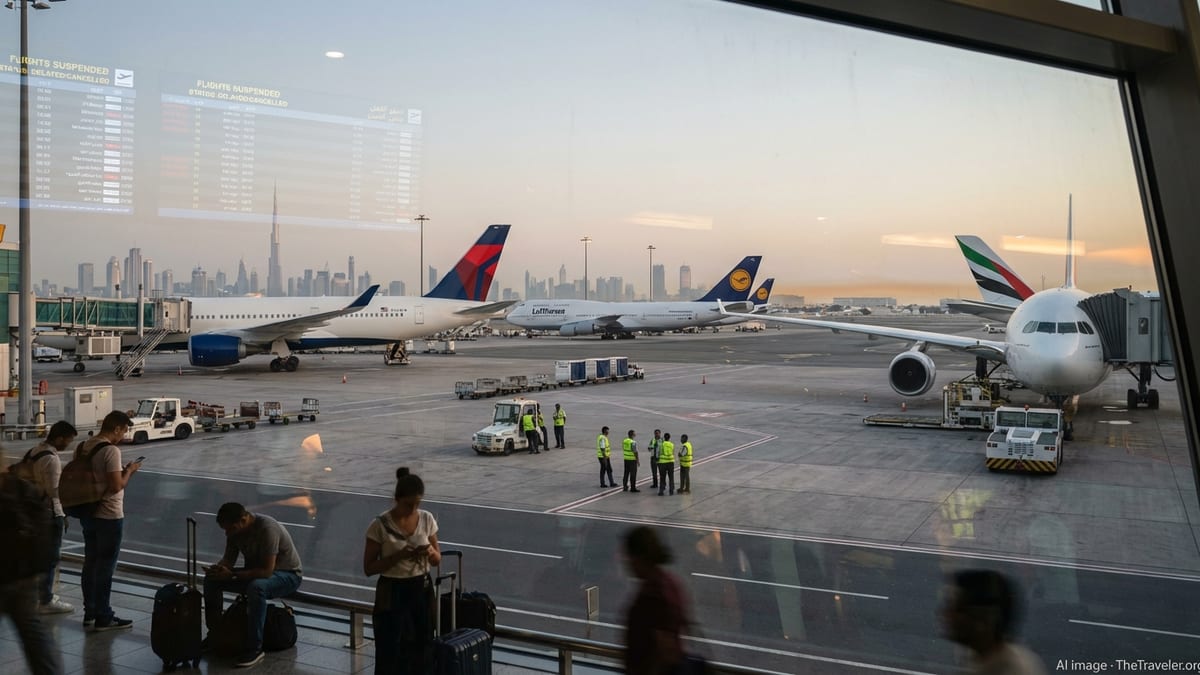
Germany’s Major Hubs See Fresh Wave of Disruptions
Publicly available flight-status data for late May 2026 shows a series of cancellations affecting services at Frankfurt, Berlin Brandenburg, Munich, Hamburg, Düsseldorf and Cologne Bonn, with impacts extending to onward European connections. While the scale is far smaller than the large strike-related shutdowns seen in March and April, the latest cancellations are compounding an already fragile summer build-up at Germany’s main hubs.
Frankfurt and Munich remain the focal points. Both airports serve as primary transfer nodes for Lufthansa and its Star Alliance partners, meaning a single canceled feeder leg can unravel multi-sector itineraries linking secondary European cities with North America and Asia. Travelers booked on regional services into these hubs are reporting missed onward flights and last-minute rebooking via alternative European gateways.
Berlin, Hamburg, Düsseldorf and Cologne Bonn are also experiencing knock-on effects. These airports rely heavily on high-frequency shuttles to Frankfurt and Munich; when those short-haul segments are cut, passengers may face overnight delays or be rerouted on rival airlines through Amsterdam, Paris or London, increasing travel times and crowding already busy services.
Germany’s federal aviation statistics and independent traffic monitors for spring 2026 already indicate that departures from leading airports have dipped compared with previous years. The latest cancellations risk deepening that trend just as the industry prepares for the peak summer period.
Lufthansa Cuts and Labor Unrest Set the Stage
The current disruptions come against the backdrop of extensive schedule reductions by Lufthansa and a turbulent labor climate earlier in 2026. The carrier and its regional offshoots have been trimming capacity for months, with tens of thousands of short-haul flights removed from the timetable through autumn as part of a wider restructuring of its domestic and European network.
Several waves of strikes by pilot and cabin-crew unions in March and April triggered mass cancellations, at times grounding the majority of departures from Frankfurt and Munich and leaving tens of thousands of passengers across Europe seeking alternative routes. Although this latest episode is smaller and not tied to a single high-profile walkout, the network remains vulnerable as the airline juggles staffing levels, aircraft availability and revised schedules.
Lufthansa’s reconfiguration of its regional operations, including the wind-down of certain CityLine services and the ramp-up of the new Lufthansa City Airlines brand, has also introduced complexity. Some early-morning and peak-period short-haul “bank” flights that once fed the hubs from cities such as Berlin, Hamburg and Cologne Bonn have been thinned out or retimed, reducing the margin for recovering from delays and last-minute cancellations.
Aviation analysts note that when hub schedules are already tightened, even a small cluster of canceled rotations can cascade across the network. Aircraft and crew may be out of position for subsequent legs, forcing the airline to cancel additional services or rely more heavily on partner carriers to move passengers.
Impact on Air Canada, Icelandair, British Airways and Air France Links
The latest disruption is not confined to Lufthansa-branded flights. Star Alliance and codeshare partners such as Air Canada and Icelandair, along with oneworld and SkyTeam competitors including British Airways and Air France, are all intertwined with Germany’s hub system through shared routes and connecting traffic.
On many intra-European and transatlantic sectors, Air Canada and Lufthansa share flight numbers, with services marketed by both airlines but operated by a single aircraft. When a Lufthansa-operated leg between German cities is canceled, Air Canada customers booked under a codeshare number may find their itineraries equally affected, even if their long-haul segment to Toronto or Montreal is still scheduled to depart.
Similar dynamics apply to Icelandair’s services linking Frankfurt or Munich with Reykjavík, a key connecting point for North Atlantic traffic, and to Air France and British Airways flights that rely on Germany’s major hubs for feed traffic. If a short-haul domestic leg into Frankfurt, Munich or Berlin is removed from the timetable, travelers bound for onward flights via Paris Charles de Gaulle or London Heathrow can lose their original connections and must be rerouted.
For passengers, the result is a confusing patchwork of responsibility. A canceled Lufthansa feeder flight may place the burden of rebooking on a codeshare partner, while some travelers report being reprotected on entirely different carriers via cities such as Amsterdam or Zurich. Travel advisers recommend monitoring both the operating and the marketing airline’s channels for status updates and rebooking options.
Passengers Face Long Queues, Complex Rebookings and Compensation Questions
For those caught up in the disruptions, the immediate challenges are familiar: longer journeys, crowded terminals and uncertainty at check-in and transfer desks. Social media posts and online travel forums from April and May detail cases in which Germany-bound travelers were rebooked on later flights but left to arrange their own transport to replacement departure airports such as Frankfurt after their original regional leg was canceled.
In other instances, passengers report being rerouted via third-country hubs at short notice, sometimes adding overnight stays or additional border formalities. Business travelers heading for meetings in France or the United Kingdom describe being shifted from nonstop Germany–France or Germany–UK flights onto itineraries requiring plane changes in Amsterdam or Istanbul, extending travel times by several hours.
Under European and United Kingdom passenger-rights regulations, many travelers on canceled or heavily delayed flights may be eligible for compensation, meal vouchers and hotel accommodation, depending on the reason for the disruption and the notice period. Consumer-rights organizations advising affected passengers emphasize the importance of keeping boarding passes, confirmation emails and any written record of cancellation or delay.
Travel experts also suggest that passengers proactively search for reasonable alternative routings on other airlines before approaching airline agents, as this can speed up rebooking conversations. With capacity tight on peak-day flights from Germany’s hubs, acting quickly can be crucial to securing a same-day alternative.
Summer Outlook: Tighter Schedules and Advice for Travelers
Industry forecasts and German aviation monitoring reports for spring 2026 point to a busy but constrained summer season, with overall traffic rising while some carriers, including Lufthansa, maintain reduced short-haul capacity compared with pre-crisis levels. This environment leaves less slack in the system when weather events, technical issues or staffing gaps arise.
Airports such as Frankfurt, Munich and Berlin are simultaneously adjusting to new infrastructure and terminal changes, which can complicate operations in the short term. Frankfurt’s ongoing terminal realignment and shifts in where airlines are based, for example, may require new busing patterns, stand assignments and ground-handling arrangements that take time to bed in.
For travelers planning trips that pass through German hubs in the coming weeks, specialists recommend building in additional connection time, particularly for itineraries that rely on domestic feeder flights into Frankfurt or Munich. Booking earlier flights in the day, avoiding overly tight connections and considering alternative routings via other European hubs can reduce the risk of missed connections.
Passengers are also advised to keep a close eye on their reservations in the days leading up to departure. With airlines still fine-tuning their summer schedules and occasionally pulling flights even weeks in advance, regularly checking for schedule changes and enabling app or email alerts can provide early warning and more flexibility to adjust plans before reaching the airport.