


More news on this day
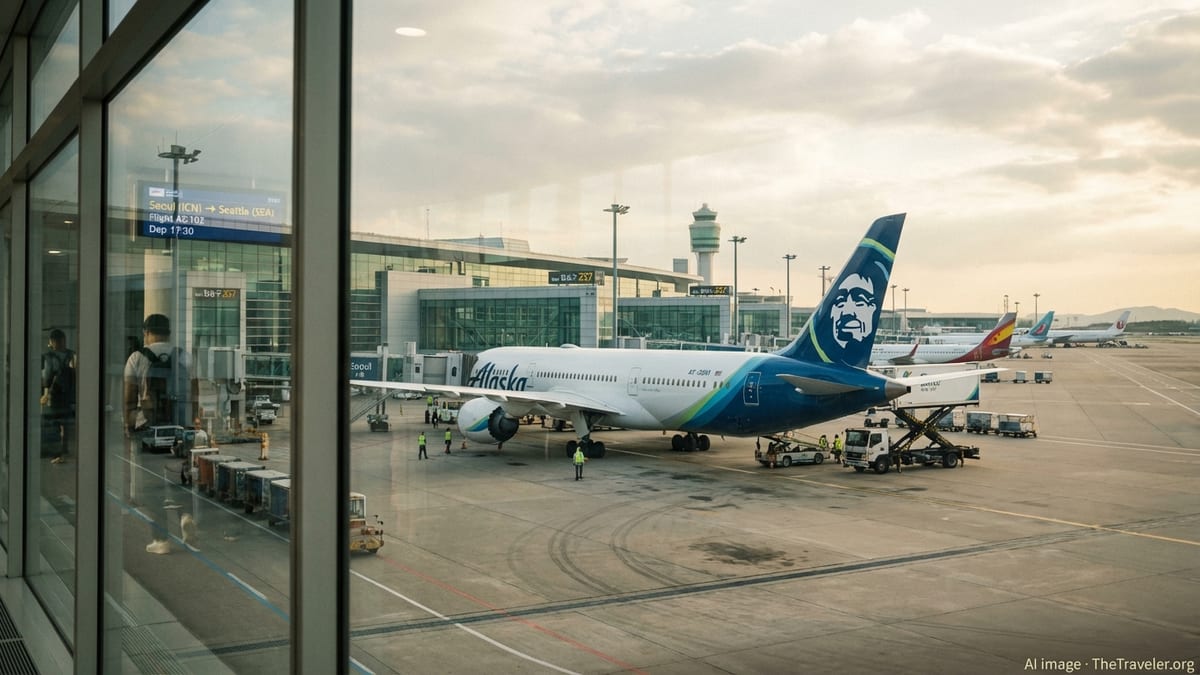
Alaska Airlines has entered the transatlantic premium cabin race with the launch of its inaugural nonstop service between Seattle and Rome, pairing the new route with the debut of fully enclosed, lie-flat International Business Class suites on its Boeing 787-9 Dreamliner.
Get the latest news straight to your inbox!
A Historic First for Alaska Across the Atlantic
The new Seattle–Rome service, which began operating on April 28, 2026, marks Alaska Airlines’ first direct link between the Pacific Northwest and the Italian capital and its first self-operated route to continental Europe. The flight runs as a daily seasonal service through late October, positioning Rome as a summer centerpiece of the carrier’s growing long-haul network.
Reports indicate that Alaska is using its new Boeing 787-9 aircraft on the route, configured with a dedicated International Business Class cabin, premium economy style seating, and standard economy behind the wing. The Rome launch follows a strategy that ties each new long-haul market to a step up in product, aiming to make the airline more competitive with established transatlantic players.
Publicly available information shows that the new business-class suites are debuting first on flights between Seattle and Rome, before rolling out to additional long-haul destinations in Europe and Asia later in 2026. For frequent flyers long accustomed to Alaska relying on partners for lie-flat transoceanic options, the move represents a notable shift toward operating its own premium long-haul product.
The Seattle hub remains central to that plan. By anchoring service to Rome there, the airline is targeting both West Coast travelers bound for Italy and connecting passengers from secondary markets who previously needed to change carriers to secure a flat bed to Europe.
Inside the New International Business Class Suites
Alaska’s International Business Class cabin is built around 34 individual suites arranged in a 1-2-1 configuration, providing direct aisle access from every seat. Each suite features a fully lie-flat seat and a sliding privacy door, bringing the airline in line with the latest wave of business-class designs that emphasize personal space and a more residential feel.
According to product details highlighted in industry coverage, the seat converts into a bed long enough for most passengers to stretch out in full, with adjustable headrest, ample storage, and large surfaces for devices and dining. The 787-9’s larger windows and lower cabin altitude are intended to reduce fatigue on the roughly 11-hour westbound and 10-hour eastbound transatlantic segments.
Soft-product upgrades accompany the new hard product. Reports indicate that Alaska is introducing new bedding, amenity kits, and refreshed dining tailored to each long-haul market, including Italian-inspired dishes on the Rome route. Expanded in-flight entertainment, larger seatback screens, and the airline’s high-speed satellite connectivity round out a package designed to feel markedly different from its domestic First Class offering.
On the ground, long-haul business-class passengers receive lounge access at Seattle and partner facilities in Rome, aligning Alaska more closely with the standard set by other North American and European network airlines for premium long-haul travelers.
How It Compares With Transatlantic Rivals
On paper, Alaska’s new suites close much of the gap with long-haul business-class cabins offered by the three largest U.S. network carriers and several European competitors. A fully flat bed with direct aisle access and a closing door now matches or exceeds the core features provided by most transatlantic business products.
Industry comparisons suggest that Alaska’s 34-suite cabin is similar in density to many contemporary 787 and A350 layouts, avoiding the more cramped configurations sometimes used on older widebodies. The privacy door in particular places the product at the higher end of current business-class designs, where enclosed suites have become a key selling point.
Where the airline faces a steeper climb is in global network breadth and schedule flexibility. Major transatlantic competitors operate multiple daily frequencies from several North American gateways into Rome and other European hubs, often combined with joint ventures that offer seamless connections and reciprocal elite benefits. Alaska’s Rome service, while historic for the carrier, is seasonal and currently limited to a single West Coast gateway.
Pricing is another point of comparison. Early customer reports suggest that business-class fares between Seattle and Rome have launched at a premium relative to some established competitors on similar stage lengths, reflecting both novelty and limited seat supply. How those prices evolve once initial demand for the inaugural season fades will influence whether the product is seen as good value versus legacy rivals and newer challengers.
Traveler Experience: Strengths and Potential Pain Points
Initial accounts from passengers on the first flights highlight the core benefits of Alaska’s new suites. The lie-flat bed, added privacy, and modern cabin environment appear to be significant improvements for travelers used to the airline’s domestic First Class. For West Coast customers in particular, the ability to board in Seattle and arrive in Rome on a single Alaska-operated flight in a competitive premium cabin is a meaningful convenience upgrade.
The cabin design also seems tailored to both solo and paired travelers. Window seats offer seclusion for those seeking a quiet work or rest environment, while center pairs allow companions to converse with adjustable privacy dividers and shared surface areas. Combined with on-demand dining and fast wi-fi, the product is aimed at business travelers and leisure passengers looking to maximize rest on an overnight crossing.
There are, however, early signs of pressure points. Limited seat counts and strong interest in the inaugural season have left many would-be buyers facing high fares or scarce award availability, according to traveler discussions in public forums. Some frequent flyers have expressed frustration that the most desirable seats on early flights were difficult to secure, a pattern that is not unusual when new premium cabins debut with constrained capacity.
Service consistency will be another factor to watch. As crews transition from largely domestic operations to staffing a bespoke long-haul business product, training and experience will influence whether the onboard service feels polished enough to justify transatlantic business-class pricing.
Is This the Best Way to Cross the Atlantic?
Whether Alaska’s new Seattle–Rome suites represent the best way to cross the Atlantic depends largely on where a traveler is starting and what they value. For passengers based in the Pacific Northwest who prefer to fly Alaska and value a nonstop to Italy, the combination of a modern lie-flat suite, privacy door, and tailored soft product makes the route an especially compelling option.
For travelers who prioritize extensive route networks, multiple daily departure choices, or integrated joint-venture benefits across Europe, established transatlantic carriers and their alliances may still hold an edge. Those airlines can offer more backup options in case of irregular operations, as well as a deeper bench of connecting flights beyond Italy.
On pure seat design, Alaska’s International Business Class now belongs in the top tier of North American transatlantic products, especially given the move to enclosed suites and a brand-new 787-9 platform. The key question for the coming seasons will be whether pricing, reliability, and service refinement keep pace with the strong first impression created by the hard product.
For now, Alaska’s entry into the transatlantic lie-flat market gives West Coast travelers another serious contender for a comfortable overnight to Europe and signals that competition for premium customers on the North Atlantic is set to intensify.