


More news on this day
Lovu Inc. has launched a new artificial intelligence sales development representative designed to automate early stage outreach and qualification, a move that could accelerate how travel and hospitality businesses build and manage their sales pipelines.
Get the latest news straight to your inbox!
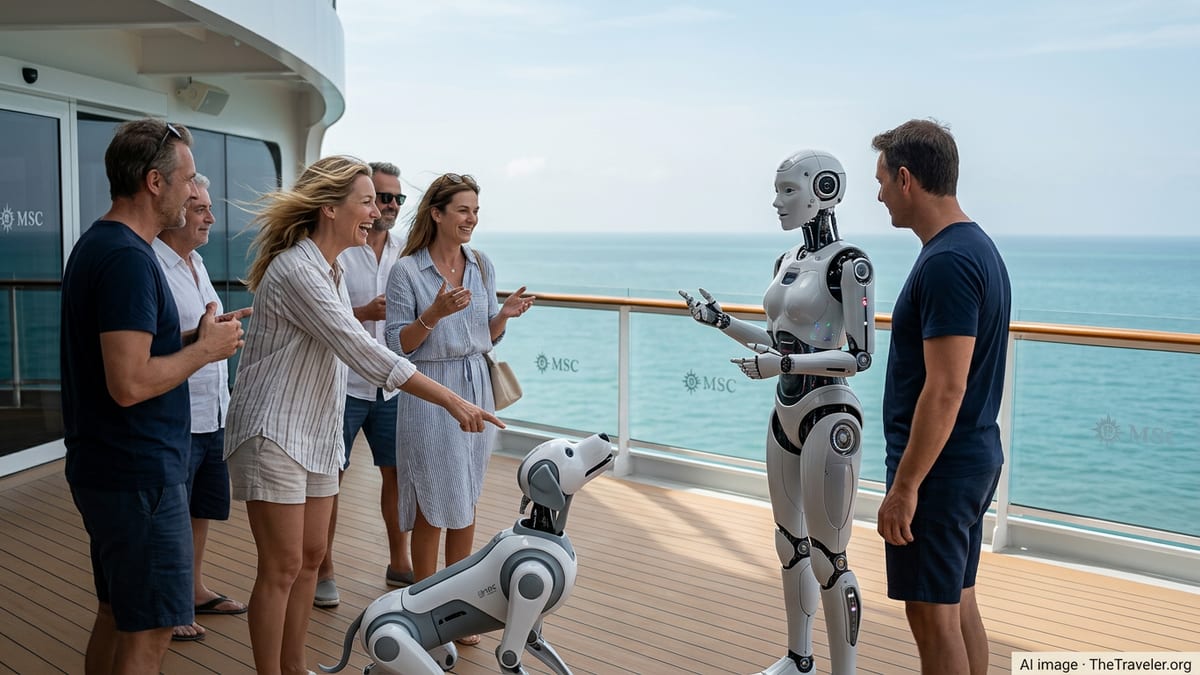
Aim to modernize outbound sales for travel and hospitality
According to publicly available information, Lovu Inc.’s AI sales development representative focuses on the top of the sales funnel, handling tasks that have traditionally required large teams of human representatives. The system is designed to research prospects, send personalized messages and follow up across multiple channels while syncing activity with customer relationship management tools.
The company positions the product as particularly relevant for travel and hospitality providers that rely on high volumes of outbound outreach to tour operators, corporate travel managers and distribution partners. Automating initial contact and qualification is intended to help smaller teams reach global markets without a proportional increase in headcount.
Reports indicate that the AI representative can be configured with industry specific messaging, allowing travel companies to emphasize seasonal offers, destination themes or partnership programs. By standardizing how early conversations start, Lovu aims to give commercial teams more consistent data on which campaigns and markets respond best.
Travel firms have been experimenting with automation in marketing and customer service for several years, but applying similar tools to business development is still relatively new. Lovu’s entry into this space reflects growing interest in AI systems that not only respond to inbound interest but actively seek out and nurture new accounts.
How the AI sales development representative works
Lovu’s AI sales development representative is described as working in tandem with human teams rather than fully replacing them. The system analyzes target lists, enriches contact data where possible and then generates tailored outreach sequences aimed at booking discovery calls or product demos.
Once criteria for an ideal customer profile are defined, the AI can prioritize leads based on fit and engagement signals. It can vary tone and content for different segments, such as luxury tour operators versus budget focused online agencies, and adjust cadence depending on response patterns.
The tool is designed to hand off prospects to human sellers once a defined threshold is met, such as confirmed interest or a scheduled meeting. This approach allows account executives to focus on complex negotiations and relationship building, while the AI handles repetitive outreach at scale.
Public descriptions of the product indicate that Lovu is paying particular attention to compliance and messaging transparency. Many companies introducing AI into customer facing roles are now clarifying when communication comes from a machine, a practice that is gaining traction in regulated and reputation sensitive sectors such as travel.
Implications for sales teams and customer experience
The arrival of AI based sales development tools is prompting sales leaders across sectors to reconsider team structures and training priorities. For travel focused organizations adopting Lovu’s system, some traditional prospecting tasks may shrink while new responsibilities around data strategy, message design and pipeline analytics expand.
Observers note that travel brands are likely to measure success by a mix of traditional metrics such as meetings booked and pipeline value, alongside newer indicators like response quality and customer sentiment about AI initiated contact. Early adopters may experiment with blended approaches where human representatives still handle high value accounts while the AI targets long tail segments.
From a customer experience perspective, automation in early outreach could shorten the time it takes for agencies, corporate buyers and destination partners to receive relevant offers. At the same time, organizations will need to monitor for over contact, generic messaging and cultural nuances in different regions, all of which can affect how travel proposals are received.
Analysts tracking AI in commercial functions point out that the travel industry is particularly sensitive to timing, local regulations and shifting demand. Any AI led program will need frequent updates to reflect changing travel advisories, seasonality and consumer behavior, which may influence how Lovu and its clients manage ongoing configuration.
Growing competition in AI driven sales enablement
Lovu’s AI sales development representative enters a market where a range of software providers are experimenting with autonomous or semi autonomous outreach. In recent years, sales and marketing platforms across industries have integrated AI to draft emails, score leads and recommend next best actions for human users.
What differentiates the latest wave of tools is a focus on giving AI agents more autonomy to execute tasks from start to finish within defined guardrails. For travel and hospitality companies, this could mean systems that not only suggest which tour operator to contact next but also compose the message, send it at an optimal time and follow up until a clear outcome is recorded.
Industry watchers suggest that as more providers promote AI based representatives, buyers will compare offerings on ease of integration with existing systems, transparency of decision making and the ability to adapt to niche segments such as adventure travel, business travel or premium leisure. Lovu’s positioning around travel specific use cases may help it stand out among more general purpose sales tools.
However, the landscape is evolving quickly as startups and established platforms alike invest in generative AI. Travel companies evaluating these options are likely to run pilots with limited segments before committing to large scale rollouts, allowing them to compare performance across vendors and channels.
What adoption could mean for the wider travel ecosystem
If AI sales development representatives gain traction, the effects may extend beyond individual suppliers and agencies. Faster, more data driven outreach could influence how destination marketing organizations, hotel groups and tour aggregators plan campaigns and partnerships.
More consistent communication from suppliers could also streamline the work of intermediaries that package trips, negotiate allotments or manage corporate travel programs. With AI handling much of the initial contact, partners might receive more standardized information about availability, pricing windows and promotional themes.
At the same time, the travel ecosystem relies heavily on long term relationships and trust built over repeated collaboration. Many organizations are expected to maintain a balance in which AI handles volume while human teams focus on nuanced negotiations, problem solving and on the ground coordination that remain central to complex itineraries.
Lovu Inc.’s launch adds another signal that automation is moving deeper into commercial roles. As travel companies adapt, the coming years are likely to reveal how far AI representatives can go in shaping B2B sales without losing the personal touch that many partners still value in the industry.