


More news on this day
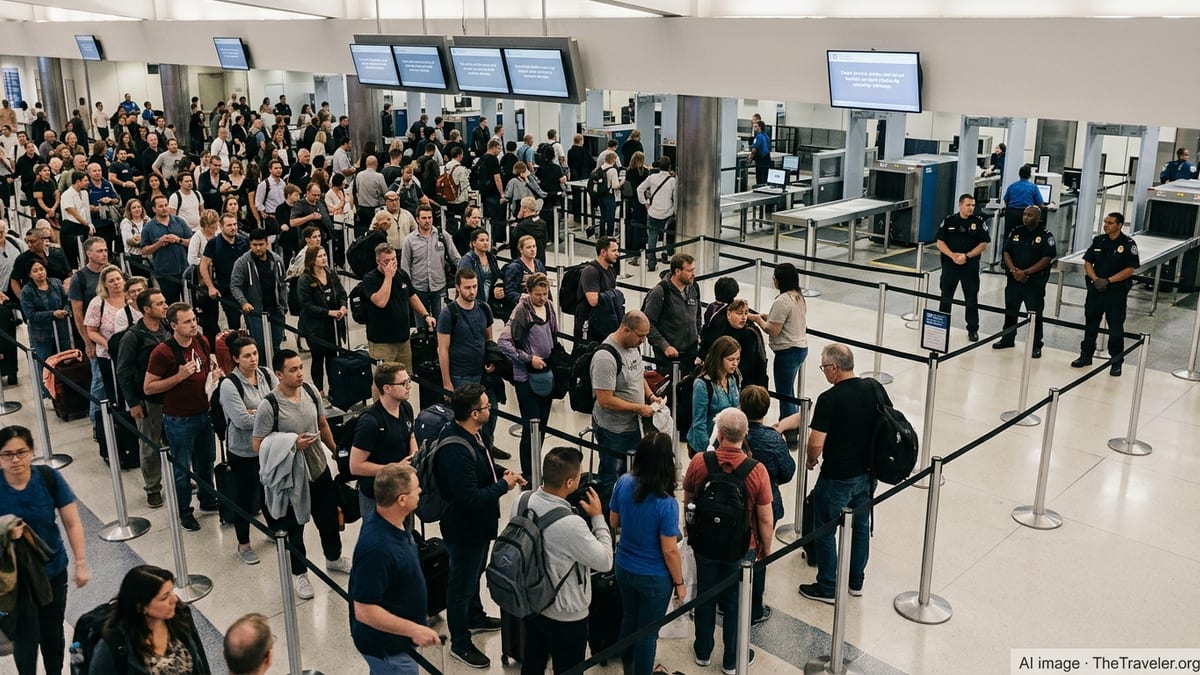
Travelers across Europe faced mounting disruption on Sunday as operations at Zurich Airport were hit by extensive delays and cancellations, with publicly available tracking data indicating 405 flights running late and at least 16 services canceled across key routes including Vienna, Amsterdam and Paris.
Get the latest news straight to your inbox!
Knock-on disruption across Europe’s busiest corridors
Real-time departure and arrival boards for Zurich on 29 June show widespread delays affecting short and medium haul services across Europe, as well as some long haul departures. Routes to Vienna, Amsterdam and Paris are among those showing extended hold-ups, with late departures from Zurich feeding into subsequent delays at onward hubs.
Tracking platforms indicate that airlines including Swiss, Lufthansa, KLM and British Airways are all experiencing schedule disruption out of Zurich. Some Vienna and Amsterdam services operated by or on behalf of Swiss and Austrian are listed as departing significantly behind schedule, while connecting traffic from Zurich into major hubs such as London Heathrow and Amsterdam Schiphol is facing tighter connection windows and missed onward flights.
While individual delay durations vary, publicly available data points to a pattern of late departures accumulating throughout the day, turning what began as moderate disruption into a network-wide challenge for carriers and passengers. Reports indicate that heavy use of Zurich’s peak morning and early afternoon slots has left little margin to absorb operational setbacks.
Swiss and Lufthansa group carriers under pressure
Swiss, which uses Zurich Airport as its primary hub, appears particularly exposed to the current disruption, with multiple departures and arrivals flagged as delayed on tracking sites. As Zurich functions as a key transfer point for the Lufthansa Group network, late-running flights quickly cascade into missed connections and rebookings for travelers bound for destinations across Europe and North America.
Lufthansa and its partner airlines have already been managing a challenging 2026 summer season, with earlier schedule adjustments and isolated strike actions in recent months contributing to a tighter operational environment. Industry briefings for June show elevated en-route and airport-related delays affecting major European hub carriers, including Swiss and Lufthansa, which leaves limited flexibility when additional constraints emerge.
Passengers connecting through Zurich on Lufthansa Group itineraries are reporting longer waiting times, revised routings via alternative hubs and, in some cases, overnight stays when no same-day connections remain. According to published consumer advice, travelers facing multi-hour delays on eligible itineraries may have grounds to seek care, assistance and, in some circumstances, financial compensation under European passenger rights rules.
Impact on KLM, British Airways and partner networks
The disruption at Zurich is not confined to Swiss-based operators. KLM and British Airways, which link Zurich to their respective hubs in Amsterdam and London, are also showing delayed services on Sunday, according to flight status portals. As these flights feed global long haul networks, delays on Zurich departures can ripple outward, affecting connections to North America, Africa and Asia.
Operational reports from earlier in June highlighted how quickly bottlenecks at major European hubs can escalate. Recent disruption at Amsterdam Schiphol, where more than 160 flights were affected in a single day, underscored the sensitivity of hub-and-spoke networks to even short-lived capacity constraints. The current situation at Zurich is following a similar pattern, with delays in one node spreading through alliance partners and codeshare services.
Airlines are generally prioritising the operation of long haul flights while adjusting short haul frequencies and turnarounds where necessary. This can mean that some regional services to and from Zurich operate with extended delays or are consolidated, while intercontinental departures aim to leave within revised time windows to preserve onward connectivity at destination hubs.
Technical and airspace factors add complexity
Recent weeks have already tested Swiss airspace management. Earlier in June, a no-fly zone associated with a high-profile international meeting near Lake Lucerne contributed to temporary restrictions in Swiss airspace and placed extra demands on the air traffic control system. Although the current disruption at Zurich is unfolding under different circumstances, the network has had limited time to fully recover resilience after those earlier constraints.
Eurocontrol performance data for June points to elevated air traffic management delays around several central European hubs, including Zurich. Capacity limits in en-route sectors, tight night-time operating restrictions and complex approach and departure procedures in the Zurich region can all amplify the impact of even minor scheduling disturbances, especially during peak travel periods.
According to publicly available operational analyses, Zurich’s runway configuration and noise-abatement procedures leave little room for rapid recovery when arrival and departure flows fall out of sequence. Once reactionary delays begin to build, clearing the backlog can take several hours, especially if adverse weather, crew duty-time limitations or aircraft rotation issues are also in play.
What passengers flying via Zurich should expect
For travelers scheduled to fly through Zurich on 29 June and in the coming days, the main advice from consumer organizations and travel experts is to monitor flight status closely and allow extra time for connections. Many airlines are proactively updating departure times on their apps and booking platforms, but same-day gate changes and revised boarding times remain possible as operations stabilize.
Passengers on affected flights are generally being rebooked onto later services or rerouted via alternative hubs when connections are missed. Published guidance on European air passenger rights emphasizes that travelers experiencing significant delays or cancellations on eligible flights may be entitled to meals, refreshments, hotel accommodation where necessary and, in some cases, monetary compensation, depending on the cause and length of the disruption.
With summer travel demand remaining strong across Europe, airlines operating at Zurich, including Swiss, Lufthansa, KLM and British Airways, are likely to face continued pressure to maintain on-time performance while managing tight schedules and high load factors. Observers note that how quickly Zurich’s operations return to normal will depend on the ability of carriers and air traffic managers to clear existing backlogs without triggering additional knock-on delays across the wider European network.