

More news on this day
British holidaymakers heading to Dubai face fresh uncertainty after the UK Foreign Office updated its travel advice for the United Arab Emirates in response to Iranian missile and drone activity across the Gulf.
Get the latest news straight to your inbox!
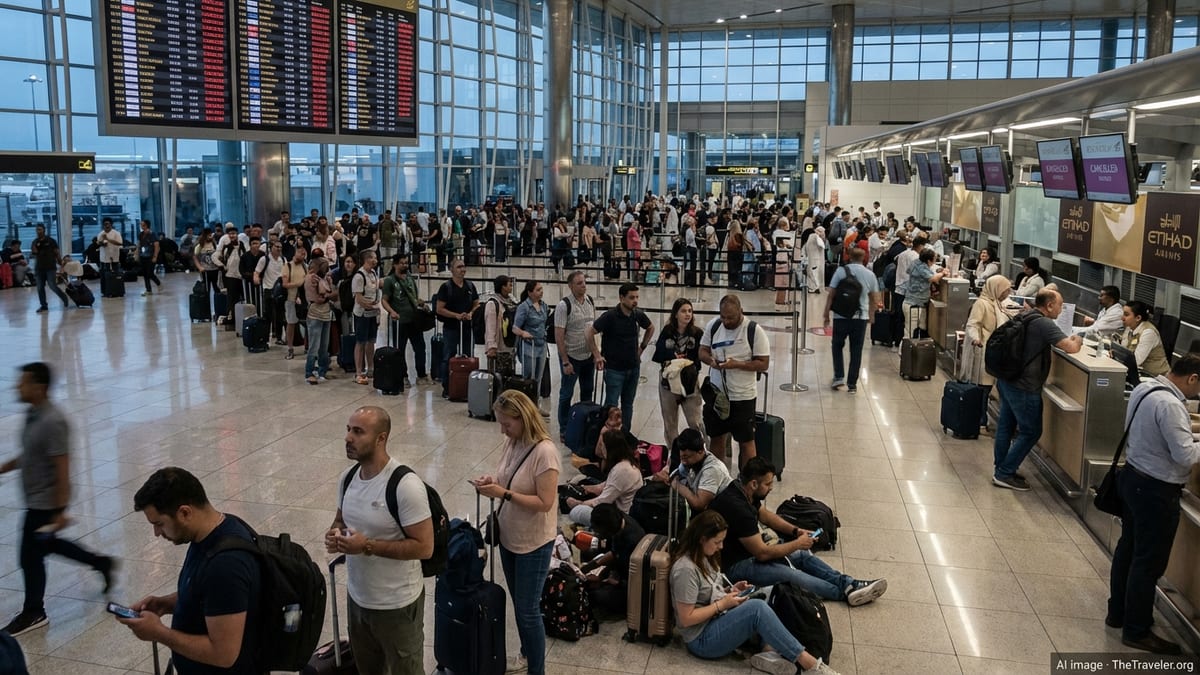
Foreign Office tightens advice for UAE after regional escalation
According to updated Foreign, Commonwealth & Development Office guidance, the United Arab Emirates is now covered by stronger warnings linked to the deteriorating security situation between Iran and its regional rivals. The latest notice highlights the risk of further missile and drone launches, as well as possible spillover from wider conflict in the Middle East.
Reports indicate that the change follows a pattern of Iranian military activity, including missile and drone strikes aimed at targets around the Gulf and increased tension in the Strait of Hormuz. Recent analysis from parliamentary and think‑tank briefings has underlined how the Iran conflict has widened beyond Israel, with Gulf states such as the UAE exposed to cross‑border attacks and maritime disruption.
The Foreign Office advice reminds UK travellers that insurance policies may be invalidated if they travel against official guidance. While the wording does not prohibit all leisure trips outright, it frames the security picture as volatile and subject to rapid change, with the possibility of further updates at short notice.
The advisory also points out that any future large‑scale attack or sustained missile campaign could trigger airspace restrictions or local protective measures in major cities such as Dubai and Abu Dhabi, directly affecting visitors in resorts, shopping malls and transport hubs.
Missile and drone incidents put Gulf travel in the spotlight
Publicly available reporting over recent weeks shows that the UAE has already faced several cross‑border incidents attributed to Iranian forces and allied groups. Local media coverage describes interception of ballistic and cruise missiles, as well as drones that have caused fires and debris damage in parts of the country.
In one widely reported episode, emergency crews were called to an oil facility in the emirate of Fujairah after a suspected drone strike sparked a blaze, with authorities saying a small number of foreign workers were injured. Separate coverage from regional outlets details repeated interception of incoming projectiles over populated areas, with loud explosions heard across Dubai and mobile alert systems activated to warn residents.
These incidents have unfolded against a backdrop of heightened activity in and around the Strait of Hormuz, the narrow waterway off the UAE coast that handles a significant share of global oil shipments. International news agencies have described Iranian actions against commercial shipping, as well as warnings from maritime security organisations about the risk of further attacks or boardings at sea.
The combination of aerial and maritime threats has pushed Gulf tourism and transit hubs back into the global security conversation, with Dubai’s role as a major long‑haul stopover making it particularly sensitive to any regional shock.
Impact on Dubai flights, stopovers and holiday plans
Travel industry reports indicate that airlines serving Dubai, including major Gulf carriers, have already faced operational challenges as a result of the Iran crisis. During previous surges in regional tension, some long‑haul routes were temporarily rerouted to avoid sensitive airspace, leading to longer flight times and knock‑on delays for passengers connecting through Dubai International Airport.
More recently, regional and specialist outlets have described how missile and drone threats have prompted temporary adjustments to schedules and, in isolated cases, short‑lived closures of sections of airspace or airport operations. These measures have generally been precautionary and time‑limited, but they illustrate how quickly conditions can change for travellers.
Package holiday companies and tour operators are continuing to sell Dubai breaks, but many are placing greater emphasis on flexible booking policies and the need for customers to monitor official advice up to the day of departure. Travel insurers, meanwhile, are reiterating standard exclusions for trips taken against Foreign Office warnings, meaning policyholders may have reduced protection if the security situation worsens.
For now, most inbound tourism to Dubai is continuing, with the city’s resorts, malls and attractions operating as normal. However, the new Foreign Office wording is likely to prompt some UK visitors to reconsider itineraries, explore alternative destinations, or opt for shorter stays and more adaptable flight arrangements.
What the updated guidance means for UK travellers
The Foreign Office update places particular emphasis on situational awareness and preparedness. Travellers are advised, via official public information, to register contact details where appropriate, follow local announcements and be ready to follow instructions from civil protection services if sirens or mobile alerts sound during their stay.
Security information produced for the UAE stresses the importance of knowing where the nearest solid shelter is located when moving around cities such as Dubai. Official guidance explains that, in the event of incoming missile or drone activity, people in affected areas may be instructed to move indoors quickly, stay away from windows and remain there until an all‑clear message is issued.
The advice also suggests that visitors should allow extra time for airport journeys, as security checks and traffic controls may be stepped up during periods of heightened alert. Travellers changing planes in Dubai on long‑haul itineraries are encouraged to stay in close contact with their airline or booking agent in case of last‑minute timing or routing changes.
Although the Foreign Office continues to acknowledge that large‑scale attacks remain relatively rare events, the tone of the latest communication marks a shift toward highlighting the cumulative risk posed by repeated missile and drone incidents linked to Iran and its partners.
Balancing Dubai’s visitor appeal with a more fragile security climate
Dubai remains one of the world’s most popular city‑break and stopover destinations, combining winter sunshine, luxury resorts and extensive air connections to Europe, Asia and Australasia. Tourism authorities continue to promote the emirate as open for business, pointing to strong hotel performance and a busy calendar of sporting and cultural events.
However, analysts quoted in recent media coverage note that the post‑pandemic tourism recovery across the Gulf is increasingly vulnerable to geopolitical shocks. Iran’s use of long‑range drones and missiles has extended the reach of conflict, bringing energy infrastructure, shipping lanes and major urban centres into play in ways that were far less common a decade ago.
For UK travellers, the recalibrated Foreign Office advice encapsulates this tension. The practical experience of most visitors to Dubai is still likely to be of a safe and highly managed destination with extensive security measures in place. At the same time, the new warning language underscores that the risk environment has changed, driven in large part by Iran’s expanding arsenal and the possibility of miscalculation in a crowded air and maritime space.
Holidaymakers now face a more complex set of decisions when weighing up a Dubai escape. Checking official travel advice regularly, confirming insurance coverage, and staying flexible on routes and dates have become central parts of planning a trip to one of the Gulf’s biggest tourism hotspots.