

More news on this day
The United Kingdom’s Foreign, Commonwealth and Development Office (FCDO) has lifted its strongest “do not travel” warning for the United Arab Emirates, easing months of strict guidance linked to regional tensions and restoring the Gulf state’s status as a major transit and holiday hub for British travellers.
Get the latest news straight to your inbox!
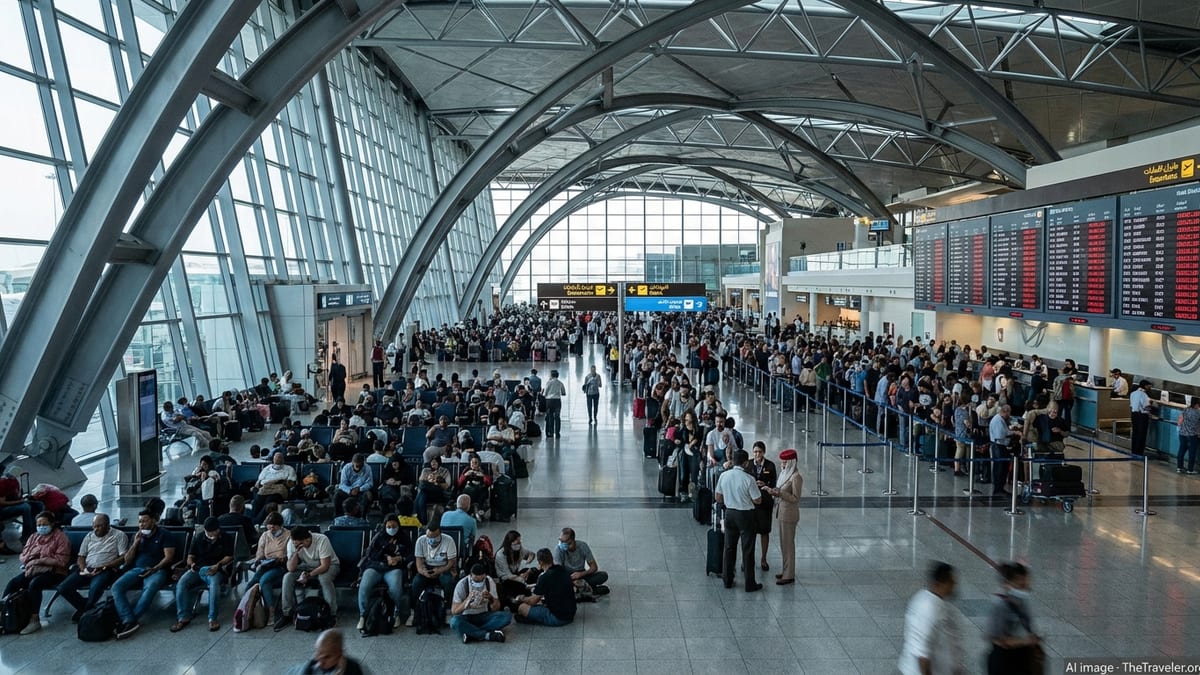
Shift in UK Travel Advice for the UAE
Publicly available information indicates that the FCDO has downgraded its stance on travel to the United Arab Emirates, moving away from earlier guidance that effectively discouraged all but the most essential journeys. The change follows a period in which the UAE was grouped with other Middle Eastern destinations facing heightened security concerns.
The updated position aligns with a broader pattern of incremental relaxations by Western governments as regional conditions are reassessed. Separate published guidance from other countries, including Australia, shows that advisories for the UAE and several neighbouring states have recently been eased from the highest “do not travel” tier to more moderate precautionary levels, suggesting a shared view that risk, while still present, has become more manageable.
Travel industry commentary and online travel alerts show that tour operators and airlines are beginning to recalibrate their plans to the Gulf, using the latest FCDO language as a key trigger for reinstating itineraries or expanding capacity. While some companies remain cautious, the lifting of the most severe wording is widely seen as a prerequisite for any sustained recovery in tourism flows to the Emirates.
The change in advice comes after months in which the UAE’s airspace and strategic location made it a focal point of concern during a volatile phase for the wider region. The revised guidance indicates that the UK government now judges the direct threat level to visiting British nationals and transit passengers to be lower than at the height of the crisis.
What the New Guidance Means for British Travellers
For travellers, the removal of a “do not travel” designation typically means that non-essential trips are no longer strongly discouraged, and that leisure and business journeys can resume subject to heightened awareness and standard safety precautions. Insurance policies that had been voided by the previous level of warning may now once again provide coverage, although travellers are advised in publicly available material to confirm terms with their providers.
UK-based travel firms closely track FCDO advisories when deciding whether to operate or cancel holiday packages. Earlier this year, some operators temporarily halted departures to the UAE and other Middle Eastern destinations while the strictest language was in place. With that wording now eased, industry updates indicate that more itineraries are being reviewed for reinstatement, often with added flexibility on changes and refunds.
For independent travellers, the shift offers clearer reassurance that routing through major Emirati hubs such as Dubai and Abu Dhabi is once again considered broadly acceptable in government guidance, provided passengers remain informed about the wider regional environment. Public advice materials continue to emphasise that conditions can change at short notice and that travellers should monitor official channels up to and throughout their trip.
The updated stance is particularly significant for UK residents who rely on the UAE as a key connection point to Asia, Africa and Australasia. With long-haul networks heavily built around Gulf hubs, any improvement in official travel advisories tends to have a knock-on effect on flight frequencies, fares and onward connectivity.
Regional Context and Ongoing Security Considerations
The latest move by the UK sits within a wider reassessment of Middle East travel risk by several governments. Recent public statements from Australia’s Department of Foreign Affairs and Trade, for example, describe a similar downgrading of advice for Bahrain, Israel, Kuwait, Qatar and the UAE from the most restrictive category to a level that urges travellers to reconsider but does not prohibit movement outright. This trend suggests that, while regional tensions remain, the perceived likelihood of large-scale disruptive incidents has diminished compared with the height of recent hostilities.
Analysts and travel risk briefings continue to describe the security environment in the Middle East as volatile, with the possibility of sudden escalations or isolated security incidents. Guidance produced for corporate and government travellers stresses the need for contingency planning, awareness of local instructions and readiness to adjust itineraries if airspace or airport operations are disrupted.
In the UAE specifically, publicly available information portrays local authorities and airport operators as maintaining a strong security posture, with visible measures at major gateways and critical infrastructure. Airlines based in the country continue to advise passengers to verify entry rules, health requirements and any transit restrictions before departure, reflecting an environment in which operational protocols can change quickly in response to wider developments.
The easing of the UK’s advisory does not equate to a declaration that the region is risk free. Instead, it points to a recalibration of threat assessments in line with recent weeks of relative stability, improved situational awareness and strengthened mitigation measures across Gulf aviation infrastructure.
Impact on Airlines, Tourism and Transit Hubs
The lifting of the “do not travel” warning is expected to provide a modest but important boost to airlines that depend on the UAE for long-haul connections between the UK and destinations in Asia, Oceania and Africa. When strict advisories were in place, some carriers and tour operators reported increased cancellations, route changes and short-term capacity adjustments as passengers sought to avoid transiting the region.
As confidence slowly returns, carriers are likely to highlight schedule reliability and safety procedures to reassure travellers still wary of the Middle East. Travel trade updates already indicate renewed marketing of Dubai and Abu Dhabi as stopover points, with flexible booking policies designed to encourage early commitments from customers who might otherwise have delayed long-haul trips.
For the UAE’s tourism sector, the change from the UK is symbolically significant. British visitors have long been among the most important source markets for Dubai’s hotels, resorts and attractions. While overall recovery depends on wider regional stability, the removal of the harshest wording in UK guidance is expected to support inbound arrivals over the peak winter season, when demand from Europe traditionally surges.
Travel advisors note that many British holidaymakers use FCDO wording as a key reference when weighing up destinations. With the strongest warning now lifted, the UAE is likely to reappear on more shortlists for sun-and-city breaks, particularly for repeat visitors already familiar with the country’s infrastructure and regulations.
What Travellers Should Watch in the Weeks Ahead
Despite the more permissive UK guidance, expert commentary suggests that travellers planning trips to the UAE should continue to monitor developments across the wider region. Official advisory pages, airline travel updates and airport notices are expected to remain the primary sources of information on any renewed disruption, whether related to security, airspace restrictions or broader geopolitical events.
Travel risk specialists commonly recommend that visitors maintain flexible itineraries, build in additional time for connections through major hubs and keep contact details for airlines and tour operators easily accessible in case of schedule changes. Purchasing comprehensive travel insurance that explicitly covers disruption in the Middle East is also widely highlighted as a prudent step.
Within the UAE, visitors are advised in public guidance materials to follow local regulations, stay alert to any security announcements and register with relevant consular services when appropriate. While the overall assessment for British nationals has improved, the situation remains dynamic, and further adjustments to FCDO advice are possible if conditions change.
For now, the lifting of the “do not travel” warning marks an important turning point for UK travel to the Emirates. It signals a cautious reopening of one of the world’s busiest aviation crossroads and offers British travellers a clearer pathway to resuming both holidays and long-haul journeys that rely on the UAE’s global connections.