


More news on this day
Thousands of passengers across Germany, Greece, the United Kingdom and elsewhere in Europe faced a difficult travel day as widespread delays and targeted cancellations at major hubs such as Amsterdam Schiphol and Paris Charles de Gaulle rippled through airline networks including British Airways, Finnair and KLM.
Get the latest news straight to your inbox!
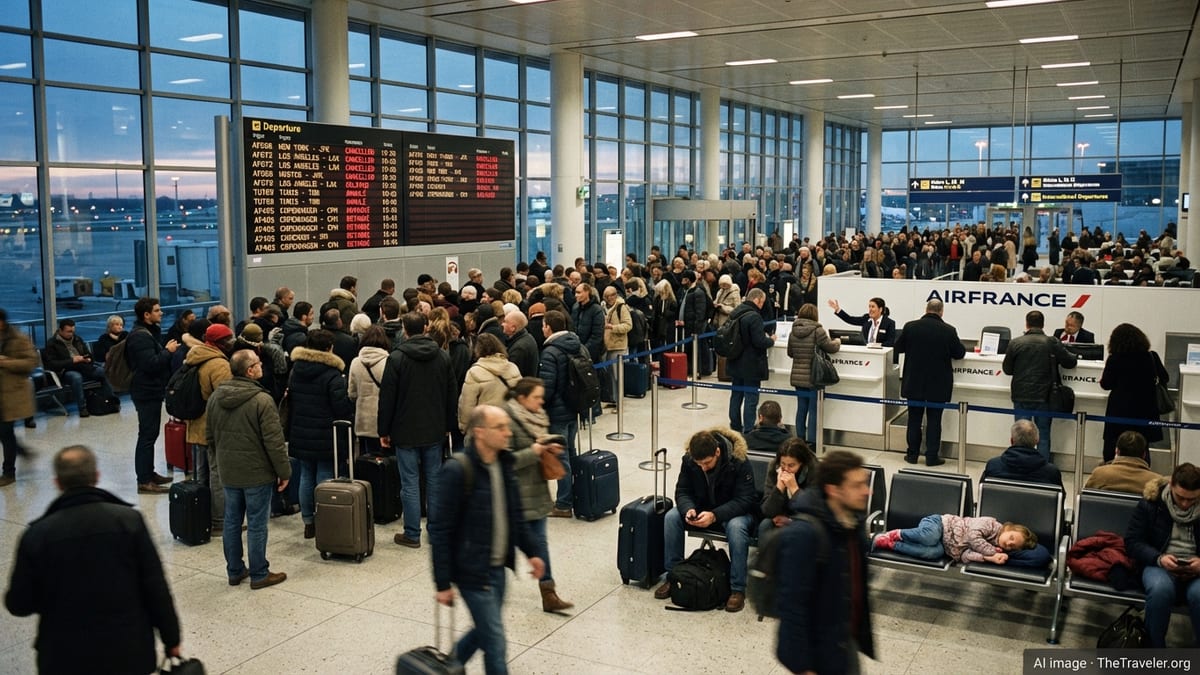
Delays Mount Across Core European Routes
Public data from flight trackers and airport information boards on July 9 and July 10 indicate a heavy concentration of delays on short and medium haul services linking Amsterdam Schiphol, Paris Charles de Gaulle, London Heathrow and Frankfurt. The disruption translated into more than 1,300 delayed departures and arrivals and close to 60 outright cancellations across key European gateways over a 24 hour period, affecting both intra European links and long haul connections.
Much of the strain is visible on dense shuttle style routes between London, Amsterdam and Paris. Flights such as British Airways services between Heathrow and Charles de Gaulle, and KLM and Air France operated sectors between Schiphol and Paris, have experienced a mix of late departures, longer than usual turnarounds and, in several instances, same day cancellations. Knock on effects have then been felt by passengers in Germany, Greece and other markets relying on these hubs for onward travel.
While the pattern differs by carrier and airport, the overall picture for travelers has been extended queues, rotating departure times and missed connections. Passengers heading from regional airports in Germany and the United Kingdom to summer destinations in Greece have reported being held up at intermediate hubs as aircraft and crews arrived late from disrupted earlier sectors.
Amsterdam Schiphol and Paris Charles de Gaulle Under Pressure
Amsterdam Schiphol and Paris Charles de Gaulle have emerged as two of the most affected airports in the current wave of disruption. Airport information pages show a series of cancelled and heavily delayed flights on core trunk routes, including multiple Amsterdam to Paris services and reciprocal Paris to Amsterdam flights that were removed from schedules or listed as cancelled within hours of departure.
The operational strain comes on top of an already busy early summer period in Europe, with air traffic levels close to or above pre pandemic patterns on many days. Industry analyses over recent seasons have highlighted that when capacity at large hubs tightens, even relatively short interruptions from technical issues, air traffic control constraints or staffing gaps can quickly cascade into widespread knock on delays.
For travelers connecting through Schiphol or Charles de Gaulle, the impact has often been felt one or two legs away from the original problem. A cancelled or late arriving aircraft from one city can leave insufficient time for crews to reset before their next scheduled rotation, resulting in further slippage on evening and early morning departures to destinations such as Frankfurt, London and Athens.
Flagship Carriers Feel the Strain
Major European airlines, including British Airways, Finnair and KLM, are prominently represented in the latest disruption figures. Publicly available schedule and status data show British Airways experiencing a cluster of cancellations and delays at London Heathrow, particularly on short haul routes to continental hubs such as Amsterdam and Paris that feed wider networks across Germany, Greece and Southern Europe.
KLM, which relies heavily on Amsterdam Schiphol as its central hub, has issued travel alert information advising customers of possible delays and rebooking options on affected routes. The carrier’s guidance highlights that passengers whose flights are significantly delayed or cancelled may be able to request refunds or alternative travel arrangements, reflecting the scale of disruption across its European schedule.
Finnair, which connects Northern Europe to Western and Southern European destinations through Helsinki and partner hubs, has also been touched by the operational turbulence. Travelers routed via London, Frankfurt or Amsterdam on itineraries involving Finnair and partner carriers have reported extended layovers and missed onward services as departure banks at key hubs shift throughout the day.
Travelers in Germany, Greece and the UK Face Ripple Effects
The operational issues at large hubs have translated into practical challenges for passengers in multiple countries. In Germany, flights connecting regional cities through Frankfurt and other gateways to Amsterdam, London and Paris have seen irregular operations, with some services departing significantly behind schedule. For travelers bound for Greek islands and mainland holiday destinations, even a modest delay on a feeder flight has in many cases meant lost onward connections.
In the United Kingdom, Heathrow has recorded a noticeable number of cancellations and delays across several days, with British Airways bearing a substantial portion. Travelers have shared accounts of late notice cancellations between London and European cities, with rebookings pushing itineraries back by many hours or, in some cases, forcing unscheduled overnight stays. Similar experiences have been reported by passengers attempting to return from Greece and Germany via the London and Amsterdam hubs.
Greek airports, while not always the original source of the disruption, have nonetheless felt the downstream effects. When aircraft and crews depart late from Western European hubs, arrivals into popular destinations such as Athens, Heraklion and Rhodes can slip deep into the night, compressing turnaround times and placing further pressure on early morning departures back to Germany and the UK.
What Passengers Can Expect in the Coming Days
Based on current schedules and recent operational patterns, publicly available data suggests that knock on effects from the latest disruption could persist for several days, particularly during peak travel periods and around weekends. Airlines are attempting to recover by repositioning aircraft, adjusting rotations and consolidating lightly booked flights, but tight summer schedules and high load factors leave limited spare capacity.
Passengers traveling through Amsterdam Schiphol, Paris Charles de Gaulle, London Heathrow, Frankfurt and other major European hubs in the near term are likely to encounter longer queues at check in and security, busier gate areas and a higher than usual risk of last minute changes to departure times or routings. Those with tight connections, especially on itineraries linking the UK, Germany and Greece, remain particularly vulnerable to missed onward flights if earlier legs run late.
Consumer guidance published by airlines and aviation regulators emphasizes the importance of monitoring flight status frequently on the day of travel, allowing additional time at the airport and, where possible, building in generous connection windows. With disruption statistics still elevated at several key hubs, travelers across Europe face another period in which flexibility, patience and up to date information remain essential parts of any journey.