


More news on this day
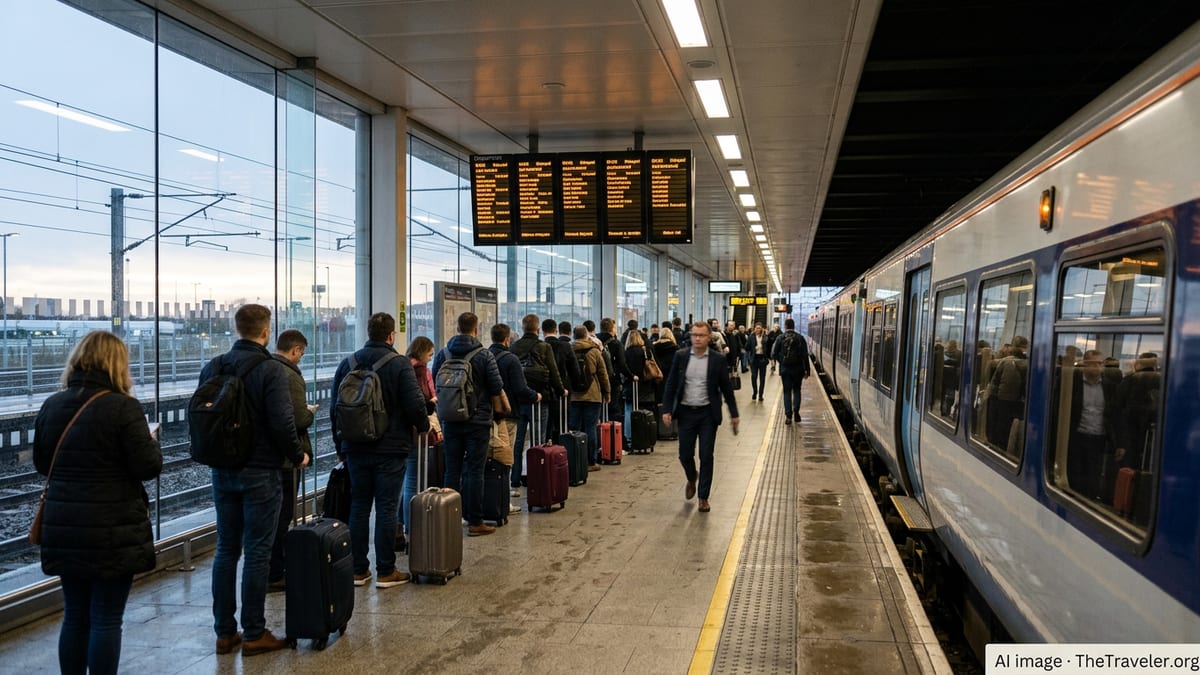
Rail passengers across Europe and the United Kingdom are facing a fresh wave of disruption as the fallout from a major train-related fire coincides with new strike action on key routes at the height of the summer travel season.
Get the latest news straight to your inbox!
Fire-damaged rail infrastructure snarls services in the Netherlands
Services on one of the busiest international rail corridors in northwestern Europe have been heavily reduced after a fire damaged railway infrastructure near Rotterdam at the end of June. Publicly available information from operator updates indicates that a blaze in a trackside cable duct destroyed dozens of signalling and power cables, forcing the suspension or curtailment of passenger and freight services south of the city.
International operators have adjusted timetables and withdrawn stops at Rotterdam as repairs continue. Several London to Amsterdam high-speed services have been rerouted or terminated early, with passengers advised that they may need to change to domestic trains or use alternative departure stations in the Netherlands. Local reports describe a patchwork service, with trains running on a limited basis and journey times significantly extended.
Rail managers have cautioned that the complexity of the damaged cabling means restoration is measured in days rather than hours. Engineering teams are working to replace and test the affected systems, but published estimates suggest that knock-on disruption could persist for multiple days, particularly during peak hours and around major junctions. Travellers have been urged to check schedules on the day of travel and to allow for missed connections.
The incident has highlighted the vulnerability of dense, high-frequency rail networks to a single point of failure. With long-distance, regional and freight trains all dependent on the same signalling spine around Rotterdam, the fire has produced a cascade of delays on routes linking the Netherlands with Belgium, France, Germany and the United Kingdom.
UK rail passengers brace for fresh strike action
At the same time as infrastructure problems affect continental routes, passengers in England are preparing for new industrial action on parts of the domestic network. A strike by roster clerks at West Midlands Trains is scheduled to run from the early hours of Thursday 9 July 2026 to just after midnight on Friday, following a dispute over rest-day working arrangements and payments.
Information published by the Transport Salaried Staffs’ Association and strike-tracking services indicates that the walkout is expected to have a significant impact on timetables across the West Midlands Trains network, which includes London Northwestern Railway and local services branded West Midlands Railway. The roles involved are central to staff deployment and train planning, meaning that even a relatively small group of workers can have an outsized effect on service levels.
West Midlands Trains has prepared a reduced timetable and warned that last-minute cancellations remain possible. Passengers on key commuter and interurban routes into Birmingham, Coventry and London Euston are being advised to travel only if necessary on strike days and to expect busier trains on any services that do run. Disruption is also likely to spill over into the following morning as trains and crews are repositioned.
The latest action forms part of a broader pattern of rail industrial disputes in the United Kingdom in recent years. Government statistics and previous strike calendars show that while the number of days lost to strikes has fallen from the peak of the 2022 to 2023 wave of walkouts, targeted stoppages on specific operators continue to affect rail reliability, particularly when combined with other incidents.
Recent collisions and heat-related disruption add to pressure
The current difficulties come hard on the heels of several serious rail incidents and weather-related challenges across the UK network. In June, two East Midlands Railway services collided near Elstow, close to Bedford, in an accident that led to the death of a train driver and significant disruption on the Midland Main Line. Government investigation notices and parliamentary statements describe extensive damage to rolling stock and days of cancellations while the line was closed for recovery and inspection work.
Separately, a collision with maintenance equipment near Queen’s Park in London in May prompted further scrutiny of safety procedures around overnight engineering works. Although injuries in that case were limited, published investigation updates underline how even low-speed incidents in urban areas can necessitate lengthy closures while infrastructure and equipment are checked.
Alongside these accidents, operators in England have been warning of heat-related disruption as temperatures rise into the low 30s Celsius. East Midlands Railway recently advised customers to travel only if essential on parts of its network for several days, citing the risk of rail buckling, overhead line sag and lineside fires. Network status pages and passenger advice from other operators point to temporary speed restrictions and timetable adjustments being introduced on exposed stretches of track.
These overlapping issues are contributing to an environment in which unplanned disruption has become more common, even on days when no strike action is taking place. Data releases from the rail regulator in previous years already highlighted infrastructure faults, severe weather and external incidents as key drivers of cancellations. With climate-related extremes and network congestion increasing, analysts expect those pressures to persist.
Economic and tourism impact at the height of the summer season
The latest bout of disruption is landing just as European tourism enters its busiest period, raising concerns about the wider economic impact. Business travel, leisure trips and major events all depend heavily on reliable rail connections, particularly on environmental grounds as governments encourage passengers to shift from air to rail on short and medium-distance journeys.
In the Netherlands and neighbouring countries, suspended and curtailed services around Rotterdam are affecting one of the principal freight corridors between North Sea ports and inland logistics hubs. Logistics providers have reported delays and diversions as freight trains are cancelled or rerouted, adding pressure to road networks and increasing transport costs. For passengers, missed connections to ferries, long-distance trains and flights are generating additional accommodation and rebooking expenses.
In the United Kingdom, rail strikes have prompted repeated debates about their impact on productivity and regional economies. Government briefings on earlier waves of industrial action estimated substantial losses in economic output on strike days, concentrated in city centres where commuters and visitors rely most heavily on rail. Hospitality, retail and cultural venues often report lower footfall when large parts of the network operate reduced timetables.
Tourism agencies are monitoring the situation closely, particularly in gateway cities like London, Birmingham and Amsterdam. While most passengers eventually reach their destinations, persistent disruption can damage perceptions of reliability and may encourage some travellers to choose alternative modes or destinations for future trips, potentially undermining efforts to promote sustainable rail-based tourism.
Travel advice for affected rail passengers
Passenger organisations and rail operators are advising travellers to pay close attention to journey planning over the coming days. For cross-border routes involving the Netherlands, published travel updates recommend checking whether trains are operating to or through Rotterdam and being prepared to use alternative stations or replacement buses where available. Travellers may be advised to build in additional time for border controls and transfers if services are diverted.
In the West Midlands and on London Northwestern routes, passengers planning to travel on or around 9 July are being encouraged to consult operator timetables on the morning of departure and to consider travelling on non-strike days where possible. Those who must travel are being warned that services may be crowded and that seat reservations or specific train times cannot always be guaranteed during industrial action.
Across the wider UK network, hot weather advisories mean that even journeys far from the immediate strike or fire-affected areas can face slower running or late-notice changes. Travellers are being urged to carry water, prepare for extended journey times and remain alert to announcements on trains and at stations.
For now, rail remains central to the region’s transport plans, but the combination of infrastructure failures, industrial disputes and extreme weather is again testing the resilience of Europe’s railways and the patience of summer travellers who depend on them.