


More news on this day
A man was injured when a pickup truck collided with a train near Le Mars, Iowa, in a recent incident that has drawn attention to safety conditions at rural rail crossings in northwest Iowa.
Get the latest news straight to your inbox!
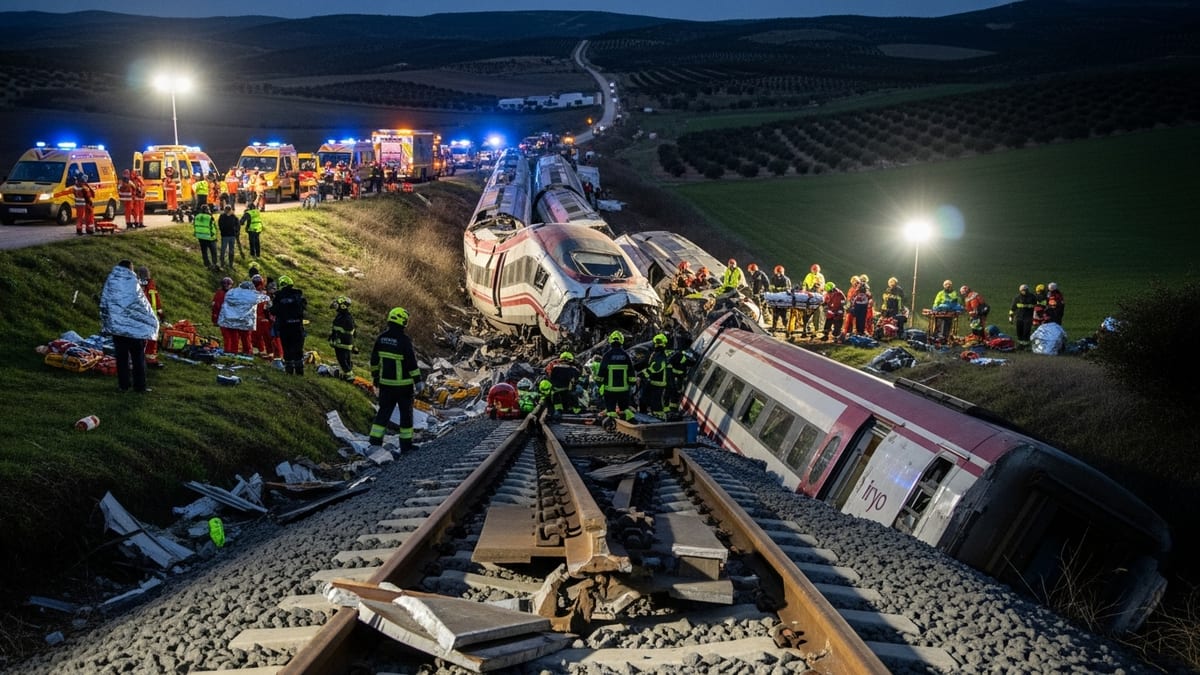
Collision Near Le Mars Involves Pickup and Freight Train
Reports from local and regional news outlets indicate that the pickup and train collision occurred near Le Mars at a rural crossing used by both agricultural and commuter traffic. Early details describe a pickup entering the crossing as a freight train approached, resulting in a significant impact that left the vehicle heavily damaged and the driver injured.
Publicly available information suggests that the crash took place outside the main urban area of Le Mars, where train speeds are typically higher and sight lines can be affected by topography, vegetation, or track curvature. The combination of highway traffic and active freight lines in this part of Iowa has long made grade crossings a point of concern for transportation planners.
The injured man was transported from the scene for medical evaluation and treatment. Initial accounts describe his injuries as serious enough to require prompt medical attention, though information about his long-term condition has not been widely released.
Rail operations in the area experienced temporary disruption following the collision while responders cleared the crossing and inspectors checked the train and track. Service generally resumes after such inspections verify that the equipment and infrastructure remain safe for continued use.
Typical Factors in Rural Train and Vehicle Collisions
Although each incident is unique, safety reports and prior investigations across Iowa describe several recurring factors in collisions between road vehicles and trains. Rural crossings often have fewer active warning systems than urban locations, relying in some cases on crossbucks and stop signs rather than gates and flashing lights.
Weather, low light, and dust from agricultural activity can also reduce visibility near tracks. In areas around Le Mars, freight trains can be long and relatively quiet at higher speeds, giving drivers a shorter window to recognize an approaching locomotive, especially if they are unfamiliar with the crossing or distracted.
Transportation safety publications note that trains require a much longer distance to stop than road vehicles. Even when an engineer applies emergency braking, a fully loaded freight train can travel a substantial distance before coming to a halt, limiting the ability of rail crews to avoid a collision once a vehicle occupies the tracks.
While specific investigative findings for the Le Mars area collision have not yet been fully detailed in public reporting, similar events across the state often prompt reviews of signage, warning devices, approach speeds, and driver behavior at the crossings involved.
Emergency Response and Medical Transport
Accounts of the incident near Le Mars describe a coordinated response involving local emergency medical services and fire and rescue personnel, who reached the rural crossing to assist the injured driver. In such collisions, responders typically assess both vehicle occupants and train crew, check for fuel leaks, and secure the scene against secondary crashes on nearby roads.
The man injured in the pickup was transported from the crossing for further care, consistent with standard practice when crashes occur at higher speeds or involve heavy equipment such as locomotives. In rural northwest Iowa, transport may involve ground ambulance to the nearest hospital, with air medical support requested in more severe cases or when specialized care is needed quickly.
Following a vehicle and train collision, rail operators usually conduct their own inspections of locomotives and freight cars, while public safety agencies document the scene. These procedures help determine whether rolling stock or track sustained damage and assist in later safety reviews.
Such responses, while routine for emergency professionals, can significantly affect road and rail traffic around communities like Le Mars, where a blocked crossing may temporarily cut off familiar travel routes for residents, farm operators, and commercial vehicles.
Rail Safety Awareness Around Le Mars and Northwest Iowa
The incident near Le Mars has renewed attention to grade crossing safety across northwest Iowa, a region where agricultural shipping and through freight traffic generate frequent train movements. Public safety campaigns in the state often emphasize that drivers should expect a train on any track at any time, regardless of how quiet a line may seem day to day.
Transportation safety materials highlight basic precautions for motorists at crossings, including slowing on approach, looking and listening carefully in both directions, and never attempting to drive around lowered gates or beat an oncoming train. Even in locations with only passive warning signs, drivers are urged to treat tracks as an active hazard and to avoid stopping on or too close to the rails.
For communities near Le Mars, rural crossings form an essential part of the local road network, linking farmsteads, small towns, and state highways. When collisions occur, local discussions frequently focus on whether additional measures such as upgraded signals, improved lighting, or vegetation clearing could help reduce risks for drivers.
Regional and state transportation agencies periodically review collision data to prioritize safety improvements at crossings that serve heavier traffic or have a history of incidents. Events like the pickup and train collision near Le Mars often become part of that broader assessment as planners consider where investments in new or enhanced protections may have the greatest benefit.
Ongoing Reviews and Safety Considerations
Published coverage indicates that the collision near Le Mars remains subject to further review, consistent with standard practice after a vehicle and train crash. These reviews typically examine driver actions, visibility conditions, warning devices, train speed, and any mechanical issues that might have influenced the outcome.
Findings from such assessments can shape future safety messaging and engineering choices, both at the specific crossing and on similar rural approaches throughout the region. In many cases, officials weigh the costs and benefits of additional protective measures against traffic volumes and prior incident history.
For travelers passing through northwest Iowa, the incident serves as a reminder of the hazards that remain at even familiar rural crossings. Whether driving local roads near Le Mars or following longer routes across the state, motorists are encouraged in public safety campaigns to treat every rail crossing as active and to proceed only when they are certain the tracks are clear.
As the injured man continues his recovery, the collision stands as a local example of a broader challenge faced by communities that rely on both road and rail. Balancing efficient freight movement with safe travel for residents and visitors remains an ongoing priority in this part of Iowa.