


More news on this day
Passengers using Manchester Airport today, 9 July 2026, are being advised to check their flights closely as live operational data points to scattered cancellations and rolling delays across a range of airlines and routes.
Get the latest news straight to your inbox!
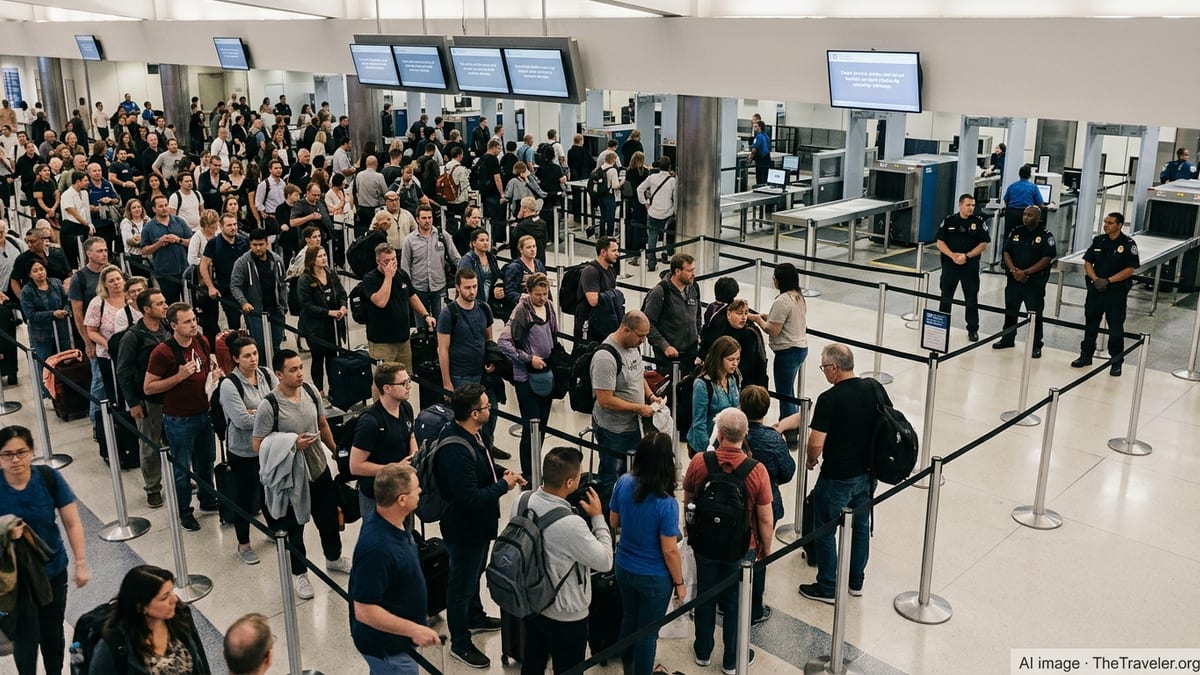
Current disruption levels across terminals
Publicly available departure and arrival boards for Manchester Airport on Thursday 9 July indicate that the bulk of scheduled services are still operating, but with a noticeable number of late departures and arrivals. The pattern reflects the broader picture seen so far this summer, where irregular operations have tended to produce clusters of disruption rather than a full shutdown of the schedule.
Early morning monitoring shows low double-digit cancellations spread between short haul and selected leisure routes, alongside a higher volume of flights running behind schedule by between 30 and 90 minutes. The impact is being felt across all three terminals, although the highest concentration of late-running services is linked to busy short haul operations using Terminal 1 and Terminal 3.
Operational statistics compiled from recent days suggest that Manchester has experienced an uptick in delay minutes per flight, even on days when overall cancellation numbers remain relatively modest by historic standards. Travellers are therefore more likely to encounter a late departure than a complete cancellation, but should still plan for the possibility of missed connections or tighter transfer windows.
The pattern of disruption has also been influenced by network effects. Published coverage on UK and European aviation this week highlights how issues at other hubs can cascade onto Manchester-bound services later in the day, particularly for carriers that rely on tight aircraft rotations and shared crews across multiple bases.
Full list of cancellations and severely delayed flights
Based on mid-morning checks of live airport information boards and independent flight-tracking platforms, today’s confirmed cancellations at Manchester Airport include a mix of outbound and inbound services primarily on short haul European routes. Several early departures to regional hubs in mainland Europe were removed from the schedule, while a small number of inbound flights from popular holiday destinations have also been cancelled.
Alongside outright cancellations, a larger group of flights is currently listed as heavily delayed. These include services operating to major European cities, Mediterranean leisure destinations and select domestic routes within the United Kingdom. Many of these flights are showing revised departure or arrival times more than one hour beyond their original schedule, a threshold that can trigger additional passenger support obligations depending on the airline and flight distance.
The live lists of affected services are continuing to evolve through the day as airlines adjust rotations, substitute aircraft or consolidate lightly booked flights. Travellers are therefore urged to rely on real time status checks using the airline’s own channels or the airport’s flight information displays rather than assuming a flight will operate simply because it was running normally the previous day.
While the number of cancellations today remains far below the levels seen during major system outages or severe weather events in previous years, the breadth of routes affected means that disruption is being felt by passengers across a wide range of destinations rather than being confined to a single corridor.
Key factors behind today’s delays and cancellations
The drivers of disruption at Manchester today appear to be a combination of local operational pressures and wider network issues. Industry data and recent published analysis point to tight summer schedules, aircraft availability constraints and airspace restrictions in parts of Europe as recurring themes in 2026.
Overnight and early morning delays in one part of an airline’s network can have knock-on effects hours later at Manchester, as late-arriving aircraft compress turnround times or force adjustments to crew duty plans. Air traffic control restrictions in congested corridors, particularly over western and central Europe, have also been cited in recent coverage as a factor behind extended flight times and holding patterns near busy hubs.
Locally, Manchester’s intensive use of its two runways during core daytime hours leaves limited slack when unexpected events occur. Even a short period of lower arrival or departure rates can quickly translate into a backlog, especially during peak departure waves associated with holiday traffic. Planned runway maintenance in the small hours on selected dates this summer is designed to keep daytime capacity as high as possible, but the airport remains vulnerable to sudden changes in weather or visibility.
Broader industry trends are also playing a role. Carriers continue to rebuild networks after recent structural changes in long haul services from Manchester, while grappling with high load factors and constrained staffing in some ground handling and technical roles. Together, these factors increase the likelihood that small operational issues will result in schedule changes visible to passengers as delays or cancellations.
Guidance for passengers travelling through Manchester today
Consumer guidance widely available online emphasises that the most important step for passengers flying from or to Manchester today is to monitor their flight status directly with the airline before setting out for the airport. Many carriers provide real time updates via apps, text messages or email, and these will usually reflect late changes to gate assignments, schedule tweaks or aircraft substitutions more quickly than third party services.
Travellers are generally being advised to arrive in line with their airline’s normal check in and security recommendations unless they have been informed of a cancellation or significant delay that would alter their required arrival time. Manchester Airport’s own advice for the busy summer period remains focused on allowing adequate time for check in, baggage drop and security screening, particularly during early morning peaks.
Passengers facing a cancellation or severe delay are encouraged, where possible, to make initial arrangements online or through airline apps rather than waiting to speak to staff at the airport. Rebooking tools and digital vouchers can often be processed without joining long queues at service desks, freeing passengers to focus on accommodation, onward travel or alternative plans.
Those with tight connections, separate onward tickets or time-sensitive plans such as cruises or events may wish to build extra contingency into their itineraries when travelling via Manchester during this period of elevated disruption risk. Travel insurance policies, where held, should be checked carefully for provisions that cover missed connections, overnight stays or alternative transport in the event of disruption.
How today’s disruption fits into the wider summer picture
Today’s pattern of scattered cancellations and rolling delays at Manchester Airport fits into a broader summer narrative of intermittent disruption across the UK and European aviation network rather than a uniquely local crisis. Recent weeks have seen similar issues reported at other major airports, with weather, airspace management and operational pressures combining to stretch margins on busy travel days.
Historic data and industry analysis indicate that summer remains the most challenging season for on time performance across much of Europe, as strong leisure demand pushes airports and airlines closer to their capacity limits. At Manchester, capacity declarations for the current season highlight a schedule designed to accommodate high passenger volumes, particularly during holiday peaks, while still operating within environmental and night noise restrictions.
Aviation analysts note that even modest increases in disruption can have an outsized impact on passenger experience when flights are heavily booked and alternative options are limited. This dynamic is particularly evident at regional hubs such as Manchester, where a missed connection can sometimes mean a long wait for the next available seat on a desired route.
With the main school holiday period approaching, observers expect Manchester Airport and its airline partners to continue fine-tuning schedules, staffing and contingency planning in an effort to keep cancellations to a minimum. However, passengers are being encouraged to assume that some level of disruption is likely on peak travel days and to plan accordingly when booking or undertaking journeys through the airport.