


More news on this day
Passengers flying home through Manchester Airport are being urged to look out for new warnings and safety prompts after drinking abroad, as fresh guidance highlights the health and security risks linked to alcohol consumption on overseas trips.
Get the latest news straight to your inbox!
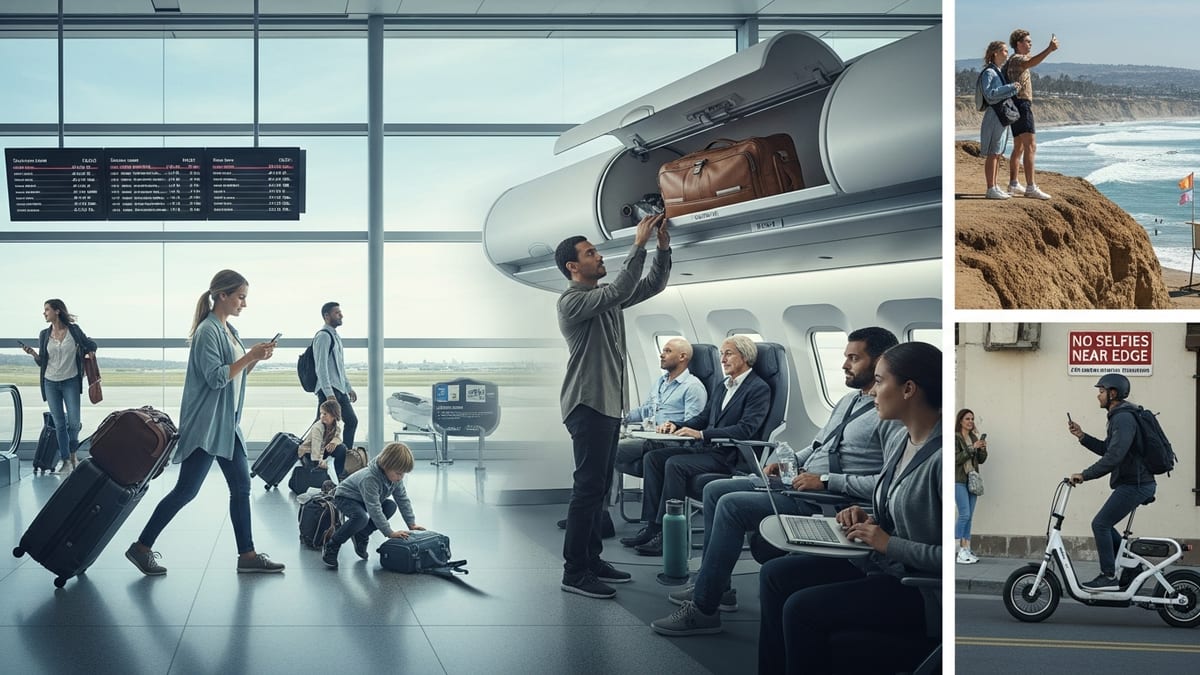
New focus on alcohol risks for returning holidaymakers
Recent coverage of travel health and safety has drawn attention to the heightened risks associated with heavy drinking while overseas, prompting renewed advice for passengers arriving back at Manchester Airport. Publicly available medical and travel guidance indicates that even moderate alcohol use can interact with common travel medicines, increase the chance of injury, and mask the symptoms of more serious conditions.
Manchester Airport, one of the UK’s busiest hubs, sees large volumes of leisure passengers returning from destinations where cheap drinks, late-night bars and resort happy hours are a key part of the holiday experience. Reports indicate that airport operators and public agencies are increasingly using signage, digital screens and public-address messages to remind travellers of their responsibilities and to encourage anyone feeling unwell after drinking to seek help promptly.
Health information referenced by international travel advisories stresses that alcohol affects judgement, reaction times and balance, which can make crowded terminals, escalators, busy roads outside airports and onward travel connections significantly more hazardous. Travellers who have consumed large amounts of alcohol before or during a flight may be particularly vulnerable to confusion, dehydration and delayed reaction to emergencies once they land.
In parallel, substance-use guidance used by clinicians and travel-medicine specialists notes that people with certain medical conditions or those taking specific prescription drugs may face heightened risks from even small amounts of alcohol. For those passengers, recognising warning signs on arrival is seen as a critical part of post-holiday safety.
What passengers are being told to watch for after drinking abroad
According to widely shared travel-health advice, holidaymakers returning through Manchester Airport are encouraged to monitor themselves and their companions for symptoms that go beyond a typical hangover. These include sudden confusion, slurred speech that does not improve with rest, difficulty staying awake, severe or unusual headache, chest pain, or shortness of breath.
International guidance on drink spiking overseas highlights additional red flags such as memory loss for long periods of the evening, loss of coordination out of proportion to the amount consumed, or extreme drowsiness. Travellers are advised that such signs may appear hours after the last drink and can sometimes be overlooked amid the rush of getting to the gate, collecting baggage or passing through border checks.
Travel safety campaigns produced by governments and health agencies also warn about methanol poisoning and counterfeit spirits in some holiday destinations. Indicators can include blurred vision, vomiting, abdominal pain and symptoms that worsen 12 to 24 hours after drinking. Officials recommend that anyone experiencing these issues on or after a flight should seek urgent medical assessment rather than assuming they are simply suffering from jet lag or a strong hangover.
More broadly, mental-health resources for travellers note that alcohol can intensify anxiety, low mood and disorientation after long journeys. Passengers are encouraged to pay attention to persistent agitation, unusual tearfulness, or thoughts of self-harm in the days following their return, and to seek professional support if these symptoms emerge.
Airport signage and red point phones at Manchester
Publicly available information on UK border and customs arrangements shows that Manchester Airport provides a red channel or red point phones in its customs area, intended for passengers who need to declare goods or speak directly to customs officers. Travel guidance suggests that anyone carrying large quantities of alcohol back from holiday destinations should follow the signs and use these contact points where necessary, rather than attempting to pass through the green channel while unsure of the rules.
Government travel resources explain that alcohol allowances for passengers entering Great Britain from abroad are subject to clear volume limits. Those who have taken advantage of duty-free offers or low-cost supermarket deals in resort areas are urged to check the latest thresholds before arrival. Signage in and around customs zones is designed to steer travellers towards accurate declarations and to reduce the risk of alcohol-related disputes or confiscations at the border.
Beyond customs controls, wayfinding signs at Manchester Airport direct passengers toward medical assistance points, information desks and help lines where concerns about illness or intoxication can be raised. Travel-risk literature notes that airports often rely on visual cues and clear symbols so that passengers experiencing confusion, language barriers or fatigue can still identify where to go for help.
Border-control guidance also advises new or infrequent flyers to allow additional time if they feel unwell or unsteady after drinking, as queues, document checks and baggage collection can be more stressful in that condition. Following signs calmly, asking for directions where needed and avoiding rushed movements through crowded areas are highlighted as basic but effective protective steps.
Global rise in campaigns on drink safety overseas
The renewed messaging around Manchester Airport arrives at a time when governments and travel organisations worldwide are intensifying campaigns about drink safety overseas. Advisory services in countries such as Australia and Canada have developed extensive online resources explaining how to recognise drink spiking, methanol poisoning and severe intoxication, with particular focus on backpacker routes and resort hotspots.
These materials typically urge travellers to keep track of how much they drink, avoid accepting unopened bottles or mixed drinks from strangers, and watch for changes in friends’ behaviour. They also underline that local emergency numbers, hospital locations and consular contact details should be noted before nights out, so that help can be reached quickly if something goes wrong.
In parallel, global health bodies have highlighted the role of alcohol in injuries, assaults and serious accidents abroad. Research summarised in travel-medicine references associates heavy drinking with falls from balconies, road collisions, drowning incidents and altercations around nightlife districts. Many of these incidents occur late in the evening or early morning, shortly before travellers head to the airport to return home.
Against this backdrop, the emphasis on watching for warning signs as passengers pass through Manchester is part of a broader effort to treat the journey home as an extension of the holiday, rather than a separate phase. Safety advocates argue that decisions made in the final hours before boarding, and on arrival back in the UK, can be just as consequential as behaviour earlier in the trip.
Practical steps for travellers using Manchester Airport
Travel-health specialists recommend several practical steps for those concerned about alcohol use on holiday and the return journey through hubs such as Manchester. Passengers are advised to schedule flights at times when they are less likely to be severely sleep deprived or tempted to drink heavily immediately beforehand, and to build in margins for rest and hydration before travelling to the airport.
On the flight itself, widely available guidance suggests alternating alcoholic drinks with water, avoiding mixing multiple types of spirits, and steering clear of alcohol altogether when taking sedating medications. Cabin environments are typically dry, which can intensify dehydration and increase the impact of alcohol at cruising altitude.
After landing, travellers who feel unwell are encouraged to pause before proceeding through the terminal, drink water where possible and ask companions to monitor them for the more serious signs outlined in public advisories. If symptoms such as severe confusion, breathing difficulty or chest pain develop, passengers are urged to seek medical help without delay through airport staff, emergency services or local healthcare providers.
For many holidaymakers, the reminders at Manchester Airport will function as a final prompt to reflect on their drinking habits while away. Travel experts suggest that planning ahead, understanding local laws and health risks, and paying close attention to how the body responds in the hours after the last drink can significantly reduce the chances of a medical emergency on the way home.