


More news on this day
Passengers flying from Manchester Airport today are facing a new spell of disruption, with a series of cancellations and significant delays affecting busy holiday and short haul routes as the summer travel season gathers pace.
Get the latest news straight to your inbox!
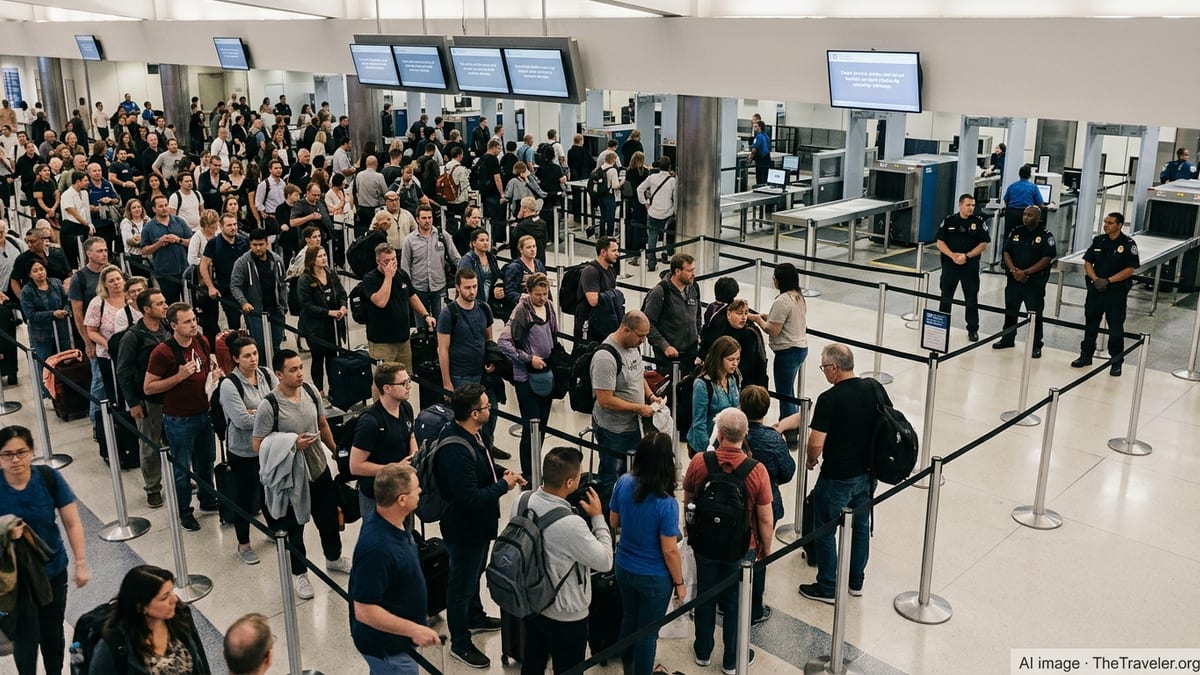
Patchy flight schedule leaves travelers facing uncertainty
Departure boards at Manchester Airport on Wednesday show a mixed picture, with many services running close to schedule while others are heavily delayed or no longer operating. Publicly available flight tracking data points to clusters of disrupted departures through the morning peak, when demand from business travelers and early holiday flights is typically at its highest.
The pattern mirrors recent days, when published coverage highlighted a patchwork of cancellations and late-running services rather than a single, airport-wide shutdown. On some routes, aircraft have left more than an hour behind schedule, while a smaller number of flights have been withdrawn entirely, forcing passengers to rebook or seek refunds.
Short haul leisure flights appear particularly exposed, reflecting Manchester’s role as a major base for airlines serving Mediterranean and Canary Island destinations. Services to Spanish resorts and other popular sun spots have experienced notable delays, adding further strain for families and groups attempting to start their holidays.
Arrivals into Manchester are also affected, with knock on delays building up as late inbound aircraft struggle to recover their timetables. That can leave subsequent departures with limited room to make up time, especially during the busiest parts of the day when runway slots are tightly sequenced.
Knock on effects from wider European and global disruption
Today’s difficulties at Manchester are developing against a backdrop of wider disruption across European and global aviation networks. Over recent days, major hubs on both sides of the Atlantic have reported elevated numbers of delayed and cancelled flights, with operational pressures spreading between airports as aircraft and crews fall out of position.
Published aviation analysis for early summer 2026 indicates that average delays across Europe remain higher than pre pandemic norms, even though some indicators suggest gradual improvement compared with the most heavily disrupted years. When upstream issues affect aircraft running into Manchester from other countries, the impact can quickly appear on departure boards, particularly on tight turnarounds.
Manchester’s mix of low cost and leisure focused airlines means schedules are often built around intensive aircraft utilisation, leaving limited slack when things go wrong elsewhere. A single late inbound service from a Mediterranean or central European airport can cascade into multiple delayed departures from Manchester over the course of the day.
In addition, rail and road pressures in northern England can compound the experience for passengers, particularly when engineering work or congestion hampers travel to and from the airport. While today’s primary challenges are in the air, surface transport remains an important factor in how severely travelers feel the overall disruption.
Recent history of disruption shapes passenger expectations
Today’s problems come after several high profile episodes at Manchester Airport in recent years, including a major power cut in June 2024 that led to widespread cancellations across two terminals and long queues for baggage and security. Public documentation from regulators and local authorities in the aftermath of that incident underlined the scale of the impact on thousands of travelers.
More broadly, industry reports show that Manchester has experienced a relatively high proportion of delayed flights compared with some other large UK airports. Recent disruption studies have indicated that close to one third of flights from Manchester in 2025 arrived or departed later than scheduled, reinforcing its reputation among frequent travelers as a location where extra time and contingency planning may be required.
That backdrop shapes how passengers interpret even a moderate level of disruption. For customers who remember previous episodes of severe congestion or system failures, today’s scattered cancellations and late departures may feel like part of a longer running pattern rather than an isolated event.
The airport operator and airlines have invested in terminal redevelopment and operational changes designed to smooth passenger flows, including an emphasis on early check in and better preparation for security screening. Nonetheless, when flight schedules become unstable, those measures can only go so far in offsetting the inconvenience caused by late or cancelled services.
What today’s disruption means for passengers
For travelers due to fly from Manchester today, the most immediate impact is uncertainty. Even when flights remain scheduled to operate, knock on delays can extend boarding and departure times, potentially affecting connections and onward travel plans. Passengers on package holidays may be shielded from some of the practical arrangements but can still face long waits at the airport and late arrival at their destination.
Publicly available consumer guidance in the UK stresses that passengers whose flights are cancelled are typically entitled to either a refund or re routing, while those facing long delays may qualify for meals, refreshments, and in some circumstances hotel accommodation. Eligibility depends on the length of delay, the distance of the flight and the cause of the disruption, so affected travelers are often advised to keep boarding passes and records of timings.
For those yet to travel, published advice from travel experts and passenger rights organisations frequently highlights a few recurring themes. Checking flight status directly with the airline before leaving home, allowing additional time for airport processes, and preparing for waits with essentials such as water, snacks and chargers can all help reduce stress when schedules unravel.
While most services at Manchester are still operating today, the combination of cancellations, rolling delays and busy peak hour traffic is likely to leave many passengers arriving later than planned. With the summer peak still ahead, today’s events will add to the scrutiny on how airlines and the airport manage capacity and resilience during one of the busiest periods of the year.
Outlook as summer traffic builds
Industry capacity declarations for summer 2026 show Manchester planning for substantial passenger volumes, supported by ongoing redevelopment of its terminals and airfield. That expansion reflects strong demand for both holiday and business travel from the north of England, but it also raises questions about how robust operations will be when faced with weather, technical issues or airspace constraints.
Recent experience at other major airports in Europe and North America illustrates how quickly localised problems can escalate into widespread disruption. When large numbers of flights are scheduled close together, even a relatively short outage or operational snag can ripple through the day, leaving airlines with limited options to restore normal running.
For the moment, there is no indication of a single underlying fault causing today’s cancellations and delays at Manchester. Instead, the picture is one of accumulated pressures across the network, with late arriving aircraft, tight turnarounds and busy departure waves all playing a role.
As the summer progresses, passengers and industry observers alike will be watching closely to see whether the measures introduced in recent years at Manchester are sufficient to keep disruption within manageable bounds. For travelers at the airport today, however, the priority remains simple: getting airborne, even if that means a longer wait than planned.