


More news on this day
Hundreds of travelers were left waiting in crowded terminals at Geneva and Zurich airports on June 8, 2026, as 283 flights were reported delayed and eight canceled, disrupting a wide network of domestic and international services operated by SWISS, British Airways, Lufthansa, Air France, easyJet and other carriers.
Get the latest news straight to your inbox!
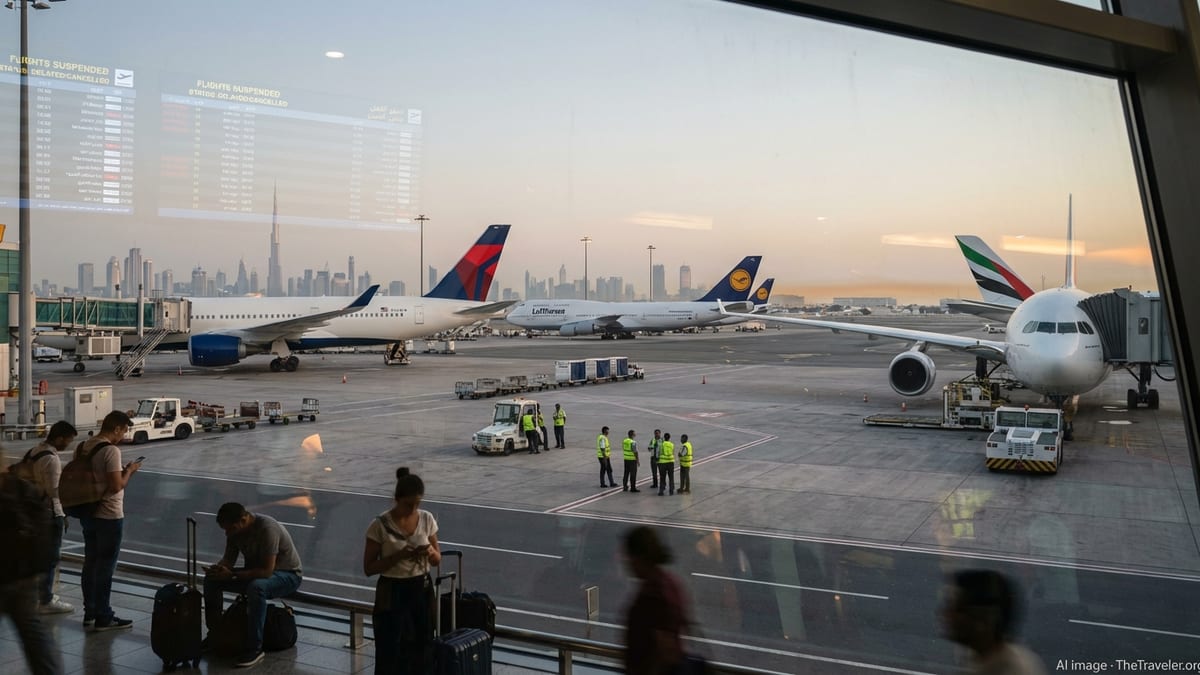
Swiss Hubs Grapple With Widespread Operational Disruptions
Publicly available live departure and arrival boards on June 8 indicated a sharp spike in disruption at both Geneva Cointrin and Zurich Kloten, Switzerland’s two principal air gateways. A combined tally for the day showed 283 flights marked as delayed and eight listed as canceled, affecting movements across the morning, afternoon and evening peaks.
The pattern of disruption was visible across short haul European routes and domestic sectors between Geneva and Zurich, with knock on effects for passengers connecting onward to long haul services. Monitoring of airline status pages and independent flight tracking platforms showed multiple departures pushed back by 30 minutes or more, with some services exceeding two hours of delay.
Operational data suggest that the impact at Zurich, the country’s largest hub, was especially significant for passengers attempting to make tight connections. When short haul arrivals reached the airport late, travelers bound for intercontinental flights faced missed connections or high pressure rebookings onto later departures or alternative routings.
At Geneva, which serves as a major base for SWISS and easyJet, the high proportion of European point to point traffic meant that delays quickly built up throughout the day. As aircraft and crews arrived behind schedule, subsequent rotations also pushed back, creating a rolling wave of disruption that extended into the evening.
Key Routes to London, Paris and Frankfurt Affected
Some of the most visible disruption was recorded on high frequency routes between Switzerland and neighboring European hubs. Services linking Geneva and Zurich with London area airports, Paris Charles de Gaulle and Frankfurt were repeatedly flagged as delayed, including flights marketed by SWISS, British Airways, Lufthansa and Air France, as well as codeshare partners.
According to route based flight status information, several Zurich to London flights operated by SWISS showed departure times pushed back from their originally scheduled afternoon slots, while British Airways services between London Heathrow and Geneva also faced extended ground times. The cumulative effect forced many travelers heading for evening meetings or onward connections in the United Kingdom to adjust their plans.
Links to Paris and Frankfurt, two of continental Europe’s most important transfer hubs, were similarly disrupted. Lufthansa operated services between Zurich and Frankfurt are central to the group’s connecting network, and delays on these flights can cascade into missed onward connections for passengers heading to North America, the Middle East and Asia.
For Geneva based travelers, repeated delays on flights to Paris Charles de Gaulle and London Gatwick or Heathrow added pressure to already busy departure halls. With many itineraries built around same day returns or tight connection windows, even modest schedule changes created uncertainty around business trips, weekend breaks and family travel.
Multiple Airlines, One Congested Operating Environment
The disruption did not stem from a single carrier but cut across several major European airline groups and low cost operators. SWISS, the country’s flag carrier and a member of the Lufthansa Group, had a significant number of delayed services from both Geneva and Zurich, reflecting its dominant market share at the two airports.
British Airways, Lufthansa and Air France were all represented among the affected services, particularly on trunk routes between Switzerland and their home hubs. These airlines rely heavily on predictable operations to feed connecting banks of long haul flights, and irregularities at Swiss airports can complicate scheduling throughout their wider networks.
Low cost operator easyJet, which maintains a large base in Geneva and extensive European coverage, also experienced knock on delays. High aircraft utilization and frequent sector turns mean even a short disruption early in the day can quickly propagate along multiple rotations, leaving later flights significantly behind schedule.
Publicly available traffic data from European air traffic management sources underline how intertwined these carriers are within the regional network. When operational strain emerges at one or two key airports, the impact can ripple across airlines that share codes, passengers and ground handling resources.
Passenger Experience: Long Queues, Rebookings and Uncertain Timelines
Travelers at both airports faced long queues at check in, security and customer service desks as the delays accumulated. With departure boards frequently updating and some services shifting gates or estimated departure times, many passengers turned to airline mobile applications and email alerts for more precise information.
Reports from flight tracking platforms and traveler forums indicated that some passengers were offered rebookings onto later flights or alternative routings via other European hubs when delays threatened to exceed connection windows. In a limited number of cases, same day travel was no longer possible, requiring overnight stays and rearranged plans for the following day.
The concentration of delays on routes to major hubs such as London, Paris and Frankfurt also had implications for baggage handling and minimum connection times. When arriving flights parked late and passengers needed to transfer quickly, there was an increased risk of checked bags missing tight onward flights, leading to additional follow up claims and tracking.
In line with standard practice, publicly available guidance highlighted the importance for travelers to keep boarding passes, booking confirmations and written delay notifications. These documents are often needed when submitting claims under European passenger rights legislation or when seeking reimbursement for meals, accommodation or alternative transport.
What Travelers Can Do in Ongoing Irregular Operations
With the potential for continued knock on effects into June 9, publicly available advice for passengers transiting Geneva and Zurich emphasizes proactive planning. Travelers are encouraged to check their flight status repeatedly in the hours before departure, using both airline websites and independent flight tracking services, rather than relying solely on printed itineraries.
For those with tight connections at Zurich or onward long haul flights from other European hubs, adjusting itineraries to allow additional buffer time can reduce the risk of missed connections. Where possible, selecting earlier feeder flights into a hub or consolidating journeys on a single airline group may ease rebooking if disruption persists.
Consumer information platforms also stress the importance of understanding air passenger rights, particularly under European and United Kingdom regulations that govern compensation and care in cases of long delays or cancellations. While entitlements vary based on distance, length of delay and the cause of disruption, travelers who document their experience are in a better position to pursue claims later.
For now, Geneva and Zurich remain operational but congested. As airlines work to restore regular schedules and reposition aircraft and crew, travelers planning to pass through Switzerland’s main airports in the coming days are advised to leave extra time, stay alert to status updates and prepare for the possibility of further changes to their plans.