


More news on this day
Massport is warning travelers of potential delays at Boston Logan International Airport as a new runway safety project temporarily reduces capacity and alters typical flight patterns at New England’s busiest air hub.
Get the latest news straight to your inbox!
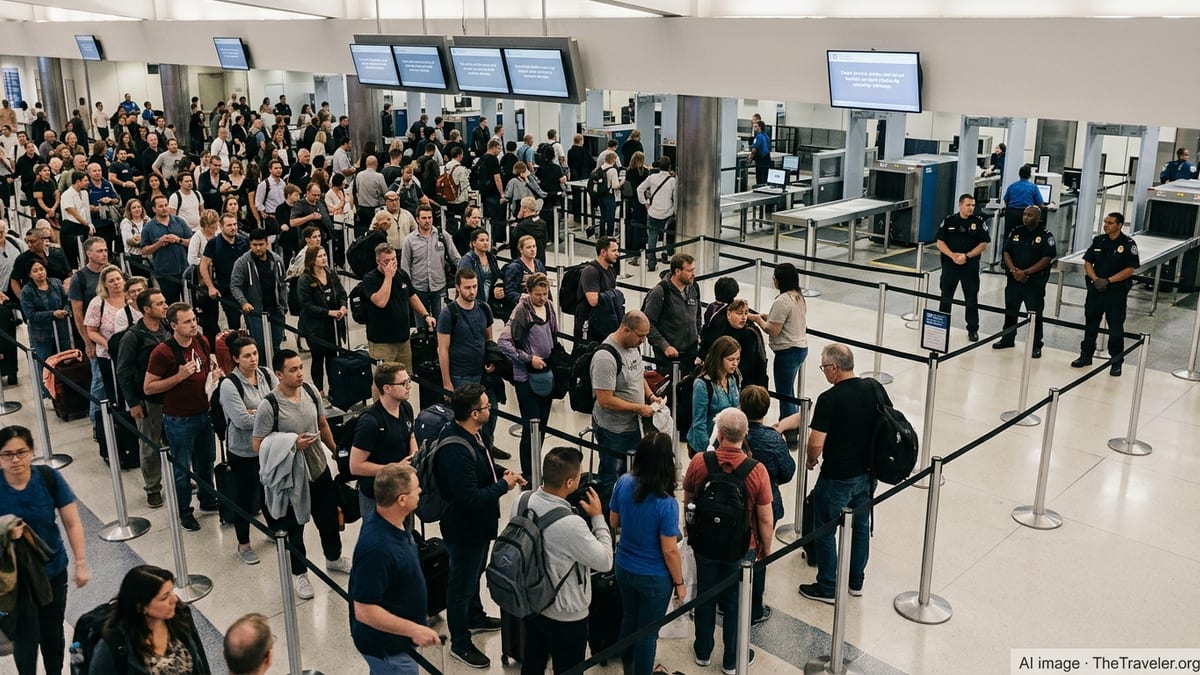
Runway safety upgrades tighten Logan’s airfield capacity
The latest project focuses on improving safety areas at one end of a key runway at Boston Logan International Airport, part of a broader program to meet updated Federal Aviation Administration standards. Publicly available planning documents describe the work as essential to enhancing protection for aircraft and passengers in the event of an overrun or other runway incident, without lengthening the runway or changing the size or type of aircraft it can handle.
Massport materials indicate that the construction involves building out the runway safety area with engineered structures and improved access for emergency vehicles. Similar work at Logan in recent years has included upgrades such as engineered materials arresting systems and expanded safety zones, aimed at bringing older runway configurations in line with current federal guidance.
During active construction, the runway will be unavailable for normal operations at scheduled times, effectively removing one of the airfield’s key pieces of infrastructure for arrivals and departures. Even though other runways will remain open, the loss of this capacity window is expected to create bottlenecks when traffic is heavy or wind and weather restrict which runways can be used.
Reports from recent Massport board and committee meetings highlight that the runway safety work is considered a required safety investment and that the agency expects noticeable operational impacts during periods when the project requires full closure of the affected runway.
Travelers advised to expect slower operations and shifting patterns
With one runway partially or fully offline during construction windows, Logan’s ability to handle simultaneous arrival and departure flows will be constrained. Historic analyses of the airport’s operations have shown that Logan can be particularly vulnerable to congestion when wind or weather limits the range of usable runways, and the removal of even a single strip for safety work can push the system closer to saturation.
Published information from Logan’s tarmac delay plans and past runway rehabilitation briefings indicates that these types of projects typically lead to longer taxi times, occasional departure queues, and a greater chance of ground delay programs when traffic surges. Even if airlines adjust schedules or routings, a reduced runway configuration can trigger knock-on delays that ripple through the day’s operations.
Residents around the airport may also notice changes. When one runway is closed, air traffic controllers often rely more heavily on alternative configurations, which can shift approach and departure paths over nearby communities. Previous Massport community presentations on runway closures have noted temporary changes in nighttime noise abatement procedures when certain runways are not available.
While the agency and the Federal Aviation Administration typically coordinate runway use to minimize disruptions, publicly available planning documents caution that weather, wind direction, and safety requirements will ultimately dictate how much flexibility is available during the construction period.
How the runway project could affect upcoming trips
For passengers, the most tangible impact of the runway safety project is likely to be longer wait times on the ground, particularly during peak morning and evening departure banks. When runway capacity is constrained, flights can be held at gates, on taxiways, or in airborne holding patterns while controllers meter traffic into and out of the airport.
According to general guidance shared in prior Logan travel advisories, passengers are typically encouraged to arrive well ahead of departure and to monitor airline notifications closely during major airfield projects. Even if a particular flight appears on time when a traveler leaves home, evolving runway use restrictions and weather shifts can cause rolling delays across multiple airlines throughout the day.
Connections may also become tighter. If an inbound segment is slowed by congestion on arrival, travelers with short layovers could face missed connections, particularly for evening flights when recovery options are limited. Airlines sometimes respond to extended runway projects by padding schedules on heavily affected routes or by re-timing certain flights to less congested periods, but such adjustments do not eliminate all disruption risk.
Extended taxi times can add to the perception of delay, even when gate departure and arrival times remain close to schedule. Logan’s existing contingency planning documents acknowledge that congested runway and taxiway geometry can limit flexibility during busy periods, which can be magnified when a key runway is out of service for construction.
Longer-term safety gains behind short-term inconvenience
Despite the near-term operational challenges, the runway safety project is framed in Massport reports as part of a long-running effort to boost safety margins across Logan’s airfield. Federal oversight of runway safety areas at major airports has intensified over the past two decades, and Logan has been among the facilities identified for targeted improvements to bring older infrastructure up to contemporary standards.
Runway safety areas are designed to reduce the risk of serious damage or injury if an aircraft overruns or veers off the end of a runway. Enhancements may include stabilized surfaces, specialized arresting materials, and improved emergency access routes. Once complete, projects of this type are intended to add a layer of protection that remains in place for decades, even as traffic volumes grow.
Environmental and design filings for recent Logan safety projects emphasize that these works are not meant to expand runway length or create new runway capacity, but rather to refine existing layouts to meet federal criteria. In practice, that means the airport accepts a period of reduced capacity during construction in exchange for a long-term upgrade that does not significantly alter day-to-day operations once the work is finished.
Aviation safety research has repeatedly underscored the value of well-designed runway safety areas in mitigating rare but high-consequence events. For Logan, the current project represents another step in a multi-year sequence of airfield improvements that aim to align an aging but strategically vital airport with contemporary safety expectations.
Planning tips for travelers heading through Logan
While exact daily impacts are difficult to predict, travelers can take practical steps to reduce stress during the runway safety project period. Publicly available guidance for Logan passengers generally recommends allowing extra time at the airport, particularly around major holidays, school vacation weeks, and Monday morning or Sunday evening peaks when traffic tends to be heaviest.
Monitoring flight status through airline apps and signing up for mobile alerts can provide earlier notice of schedule changes related to airfield constraints. When booking new travel during the construction window, passengers may want to favor slightly longer connection times and earlier-in-the-day departures, which historically are better able to absorb downstream delays than late-night flights.
Ground travel planning also matters. Congestion on the airport’s roadways, tunnels, and transit connections can amplify the effects of airside delays, so building in margin for traffic or transit issues can help ensure that travelers reach their gates before any revised boarding times. Services such as Logan Express and transit routes that serve the terminals may provide alternatives to driving and parking during busier periods.
For now, Massport’s message, reflected across planning and board documents, is that some level of disruption at Logan is likely while runway safety work is under way. Travelers passing through the airport during this period should expect a less forgiving operating environment and plan their journeys with additional time and flexibility in mind.